The Backstory: From Hormuz to Fujairah
On May 2, amid escalating regional tensions, Iranian missiles struck the Emirati port city of Fujairah – marking the first direct military strike on UAE soil and killing three civilians, including a Filipino worker and two Emirati nationals. The attack sent shockwaves through Gulf monarchies already on edge over Iran accelerating uranium enrichment and support for proxy militias across Yemen, Iraq, and Lebanon.
India has issued its strongest condemnation of the May 2 attack, calling it a direct threat to global energy security and freedom of navigation through the Strait of Hormuz. New Delhi deployed two frigates to the Gulf of Oman within 24 hours of the attack.
India’s Stand: A Clear Red Line
Three weeks after the strikes, New Delhi broke its diplomatic silence with unusually sharp language. In a statement issued through the Ministry of External Affairs, India condemned the Fujairah attack as “a wholly unacceptable act of aggression against a sovereign state” and called for an immediate de-escalation of hostilities in the Gulf.
“India has vital interests in regional stability,” the statement read. “Attacks targeting civilian infrastructure endanger the lives of Indian nationals working across the Gulf and threaten the maritime corridors upon which our energy security depends.”
The condemnation is significant on multiple fronts. India has long maintained a policy of strategic neutrality in Gulf conflicts, balancing relationships with Tehran, Riyadh, and Abu Dhabi simultaneously. Yet the Fujairah strikes appear to have crossed a threshold in New Delhi calculus.
Rapid Naval Deployment: A Signal of Resolve
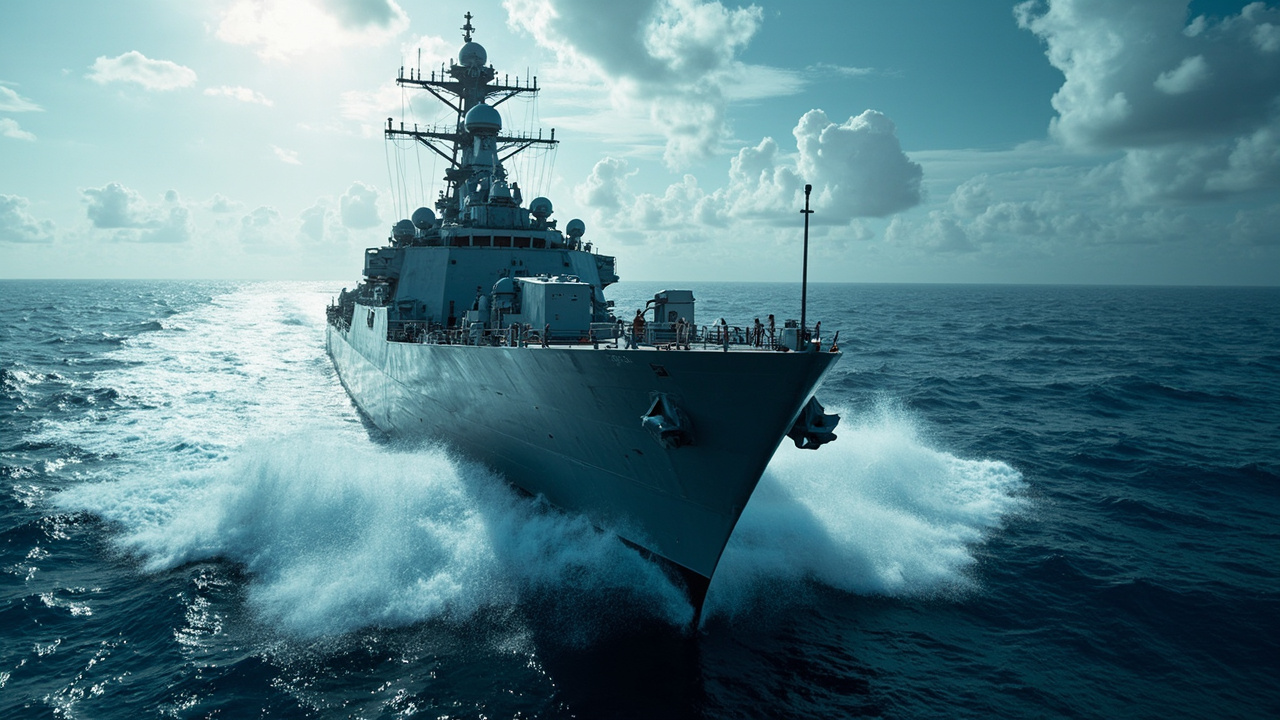
Within 24 hours of the attack, India deployed two frigates to the Gulf of Oman – a response speed that military analysts described as unprecedented for a non-combat situation. The frigates, drawn from India Western Fleet based in Mumbai, entered the Gulf of Oman through the Strait of Hormuz and established a visible patrol presence in international waters near Fujairah.
“This is not a token force,” said Commodore (Ret.) Ajay Shukla, a naval affairs analyst and contributor to the Centre for Land Warfare studies in New Delhi. “Frigates are multi-role combat vessels capable of anti-ship, anti-air, and anti-submarine operations. Deploying them within 24 hours signals a level of preparedness and resolve that goes well beyond diplomatic rhetoric.”
Indian Navy sources, speaking on condition of anonymity, confirmed that the frigate deployment was coordinated with allied navies operating in the region, including the US Navy Fifth Fleet based in Bahrain. The coordination was described as “information-sharing” rather than joint operations.
Why Fujairah Hit Different for India
Fujairah is not merely another Gulf port. It is a critical chokepoint for India oil tanker routes – approximately 65 percent of India crude imports flow through the Strait of Hormuz, and a significant share of those shipments pass through waters adjacent to Fujairah. Any disruption poses a direct threat to India energy supply chain at a moment when domestic fuel prices are already under intense political pressure.
India imports approximately 85 percent of its crude oil needs, making it one of the world most energy-dependent major economies. Brent crude prices rose more than 8 percent in the two weeks following the Fujairah attack, driving up costs for Indian Oil Corporation and other state refiners already grappling with high import bills and currency pressure.
Indian Oil Corporation confirmed in a regulatory filing that it was reviewing supply chain contingencies in light of the maritime tensions. “We are monitoring the situation closely and have activated our contingency planning protocols,” said a spokesperson for Indian Oil.
Beyond logistics, the attack exposed Indian nationals to direct danger. Approximately 1.2 million Indian citizens reside and work across the UAE, the largest concentration of Indian expatriates in any single country globally. The presence of casualties among civilian workers illustrated how Iran regional ambitions were translating into physical risk for India overseas workforce.
India Diplomatic Repositioning
India statement placed it alongside the United States, Saudi Arabia, and Israel in formally condemning the Iranian strikes – a notable shift in New Delhi diplomatic positioning. Where India had previously abstained from UN votes on Iranian nuclear violations and maintained quiet bilateral engagement with Tehran, the Fujairah attack appears to have triggered a realignment of priorities.
“India is not a Western proxy making a political statement,” said Dr. Ranjit Singh, a Gulf geopolitics specialist at the Observer Research Foundation in New Delhi. “This is a country with real interests at stake – energy, remittances, regional stability – drawing a line after something genuinely affected those interests. That carries more weight in Tehran than a US State Department press release.”
Escalation Risks and the Road Ahead
India move has not gone unnoticed in Tehran. Iranian foreign ministry spokesman Saeed Khatibzadeh called India statement “regrettable,” suggesting that New Delhi had been “pressured into a position inconsistent with its historical neutrality” by “American and Israeli interference in the region.”
For India, the diplomatic tightrope is narrow. India cannot afford a complete rupture with Iran – the relationship provides New Delhi with strategic depth against Pakistan, transit options for energy imports, and leverage in negotiations with Western powers over trade and technology.
Domestically, Prime Minister Modi government faces mounting pressure from opposition parties over rising fuel prices and the declining value of the rupee against the dollar. A visible foreign policy success – positioning India as a credible voice for regional de-escalation while securing energy supply guarantees from Gulf partners – could provide political cover for economic headwinds ahead of state elections in 2026.
The coming weeks will test whether India newly assertive posture translates into sustained diplomatic engagement or whether it remains a one-time condemnation. What is clear is that New Delhi no longer sees itself as a bystander to Gulf conflict – and the region power brokers are recalculating accordingly.