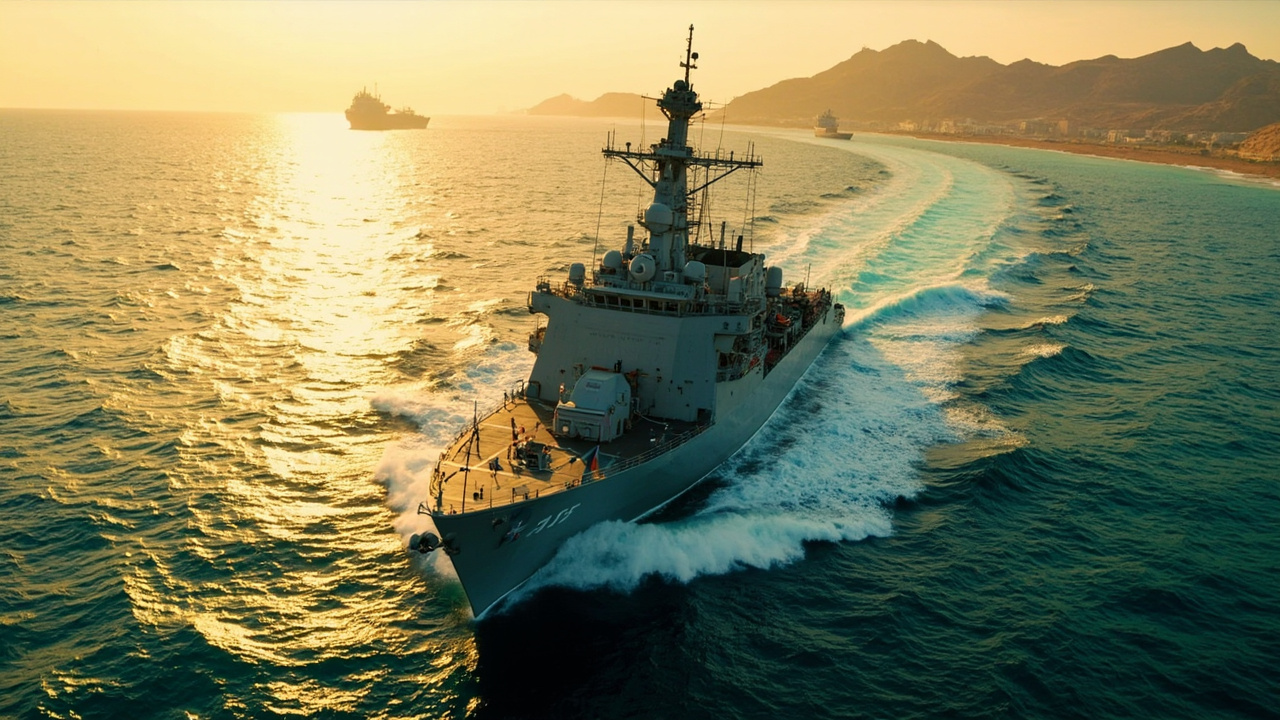
India has strongly condemned the Iranian missile strikes on the UAE port of Fujairah, calling the attack “completely unacceptable” and demanding immediate cessation of hostilities in the Strait of Hormuz.
In an emergency statement from New Delhi on Monday, the Ministry of External Affairs said the strikes threatened not only regional stability but also the energy security of millions of Indians who depend on Gulf oil imports. The ministry spokesperson emphasized that India views any attack on civilian port infrastructure as a violation of international maritime law and a threat to freedom of navigation.
“India calls upon all parties to exercise maximum restraint and avoid any further escalation that could endanger civilian lives and critical infrastructure,” the statement read. “We urge all stakeholders to return to the path of dialogue and diplomatic engagement.”
Energy Security at Risk
India imports nearly 60% of its crude oil from the Gulf region, making the Strait of Hormuz a vital artery for its economy. Any prolonged disruption could send oil prices soaring and strain India’s foreign exchange reserves. Energy analysts predict that even a temporary closure of the strait could push global crude prices above $120 per barrel, directly impacting India’s import bill and domestic fuel prices.
The Petroleum Ministry has already activated contingency plans, including drawing from strategic petroleum reserves and accelerating talks with alternative suppliers in Africa and Central Asia. However, these measures would take weeks to fully implement, leaving India vulnerable in the immediate term.
Diplomatic Response
Prime Minister Narendra Modi is expected to hold emergency consultations with oil ministry officials and foreign policy advisors to assess the impact on energy supplies and consider contingency measures. The National Security Council has been briefed on the evolving situation, and India’s intelligence agencies are monitoring developments in real-time.
India has also reached out to both Iranian and Emirati diplomats in New Delhi, urging dialogue over military confrontation. External Affairs Minister S. Jaishankar is reportedly coordinating with his counterparts in Washington, Moscow, and Brussels to explore a multilateral diplomatic response.
Broader Regional Concerns
The Fujairah attack marks a significant escalation in the ongoing tensions between Iran and Gulf Arab states. International shipping lanes through the Strait of Hormuz carry roughly one-fifth of the world’s oil shipments. Any sustained military activity in the area would have ripple effects across global markets.
Maritime security experts warn that continued strikes on port infrastructure could trigger a broader regional conflict, drawing in major powers with strategic interests in the region. The attack on Fujairah, a key bunkering hub, signals a dangerous shift in tactics that puts civilian commercial facilities directly in the crossfire.
International Reaction
Beyond India, several nations have expressed alarm at the deteriorating security situation. The United States has reinforced its naval presence in the Gulf, deploying additional destroyers to protect commercial shipping lanes. European powers have called for an immediate ceasefire and a return to the nuclear negotiation framework.
The United Nations Security Council is expected to convene an emergency session later this week to address the crisis and explore diplomatic pathways to de-escalation. UN Secretary-General has called the attack “deeply troubling” and urged all parties to respect international humanitarian law.
What Comes Next
Analysts say India’s strong condemnation signals a shift in its traditionally cautious approach to Gulf conflicts. As a major importer of Gulf energy and host to millions of Indian expatriate workers in the region, New Delhi has substantial stakes in preventing further escalation. The Indian diaspora in the UAE alone numbers over 3.5 million, adding a human dimension to the crisis.
The coming days will be critical in determining whether diplomatic pressure can halt the violence or whether the region slides into a wider confrontation with global economic consequences. For India, the priority remains securing its energy lifeline while advocating for a swift return to stability in one of the world’s most strategically vital waterways.