The death toll among Sudan’s doctors has reached 235 as RSF drone strikes on Kosti and Port Sudan deepen a humanitarian catastrophe the world continues to ignore.
235 Doctors Killed and Counting
The Sudan Doctors Network confirmed Wednesday that the number of medical professionals killed in Sudan’s civil war has risen to 235, after a drone strike claimed the life of Dr. Adel Musa Al-Tijani, a young medical laboratory graduate from Imam Al-Mahdi University in Kosti. Al-Tijani was killed by a deliberate RSF drone strike targeting civilian facilities in the city of Kosti, White Nile State, on Tuesday.
His death is not an isolated incident. According to the network, 511 healthcare workers have been injured since the conflict erupted in April 2023, while 84 medical personnel remain detained — 20 in El Fasher prisons, including four female doctors, and 64 in Nyala. The detained face conditions described as extremely poor, with the spread of epidemics and hunger-related diseases compounding their suffering.
RSF Drone Campaign Escalates Across Sudan
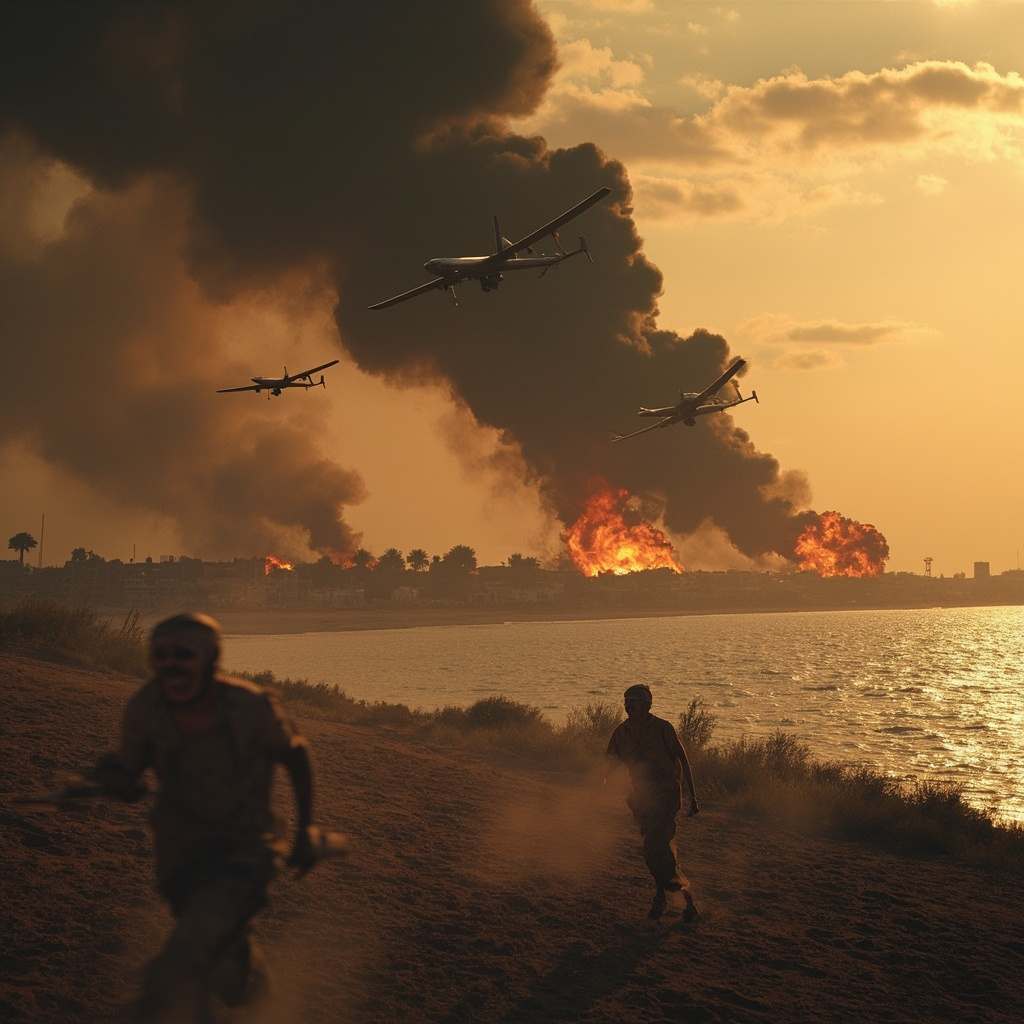
The Rapid Support Forces have maintained a relentless drone campaign against army-held cities for five consecutive days. Strikes have targeted Port Sudan — once considered a safe haven hosting hundreds of thousands of displaced people and United Nations offices — hitting the country’s last functioning international airport, its largest operational fuel depot, and the city’s main power station.
In Kosti, RSF drones struck fuel depots that supply White Nile State with three drones, igniting massive fires. Explosions were heard across Port Sudan as air defences reportedly shot down 15 drones overnight. Drone activity was also reported over the eastern city of Kassala and the northern city of Merowe.
UN Secretary-General Antonio Guterres warned that the attacks “threaten to increase humanitarian needs and further complicate aid operations in the country,” calling the escalation on Port Sudan a “major escalation.”
Regional Powers Accused of Fueling the War
The Sudanese Doctors Network has called on the international community to take effective steps to stop the targeting of civilians and medical personnel and to ensure their protection. But the conflict’s longevity is sustained by external actors. The United Arab Emirates has faced repeated accusations of arming the RSF, while Egypt and other regional powers have backed the Sudanese Armed Forces, turning the civil war into a proxy battleground for influence over the Horn of Africa and the Red Sea corridor.
More than two years of war have killed tens of thousands and uprooted 13 million people, according to UN figures. The targeting of medical infrastructure — hospitals, clinics, and now individual doctors — represents a systematic dismantling of Sudan’s healthcare system that will take decades to rebuild even if peace were achieved tomorrow.
The Forgotten War
The doctors’ network monitors deaths in a conflict described as “the forgotten war” due to minimal international attention and media coverage. While global headlines focus on Ukraine and the Middle East, Sudan’s humanitarian catastrophe continues to deepen in obscurity. Flights to and from Khartoum remain suspended after drones targeted the airport, and access to basic services in Kosti has been disrupted by the strikes on civilian infrastructure.
As the death toll among those sworn to save lives continues to climb, the question facing the international community is not whether to act, but whether the world will notice before there is nothing left to save.
Sources: Sudan Doctors Network, UN OCHA, The New Arab, Eastleigh Voice