A Commercial Lifeline Under Fire
The attack on a French container ship in the Strait of Hormuz marks a dangerous escalation in the Iran war, with eight Filipino seafarers wounded and global shipping pushed to the brink of paralysis.
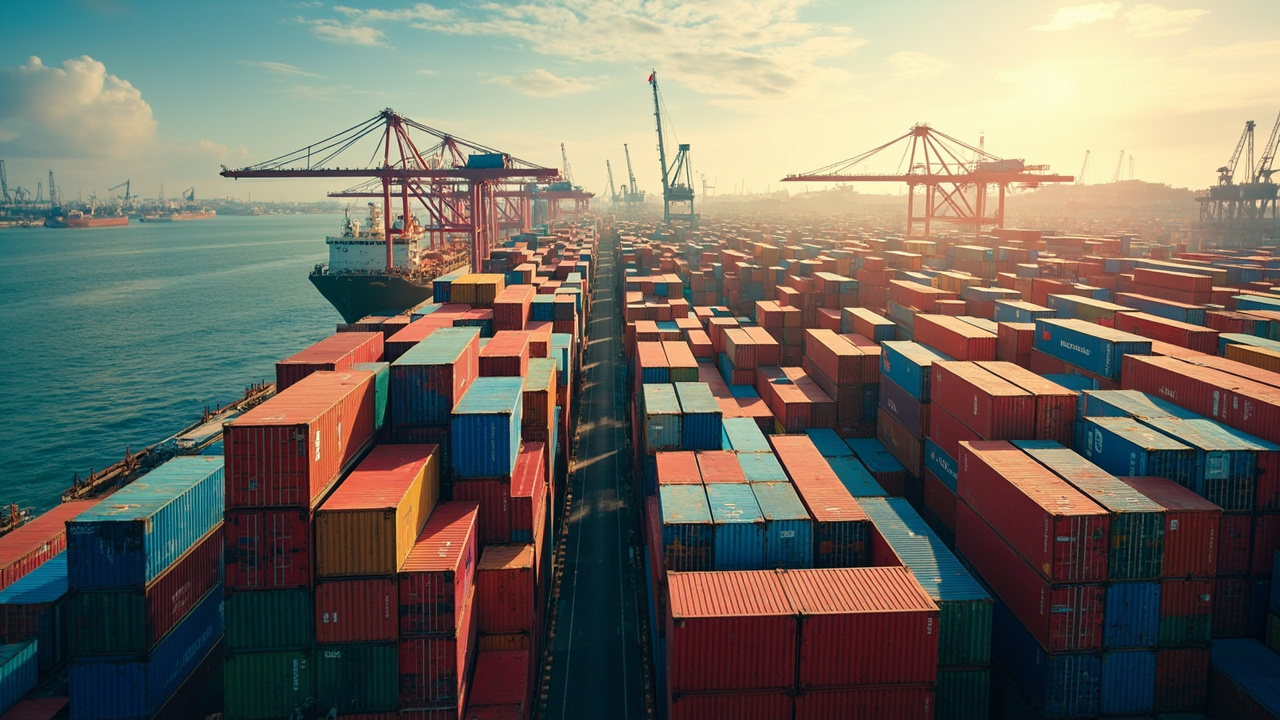
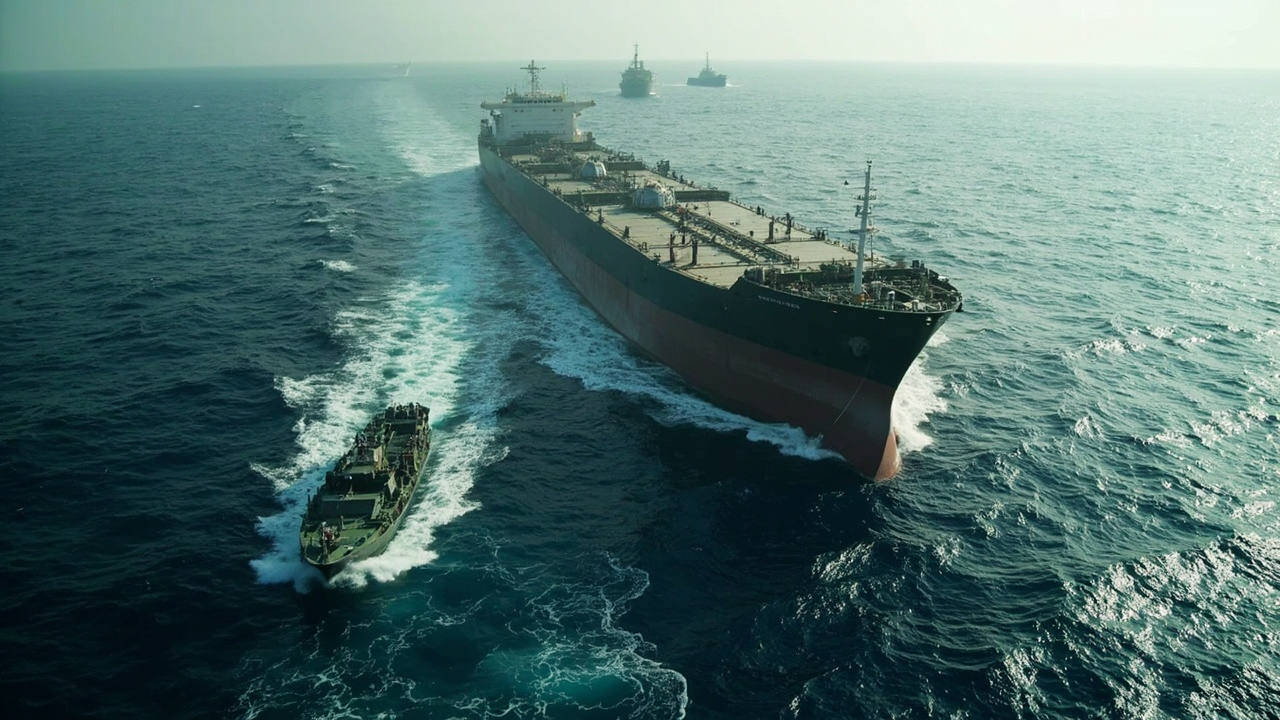
A CMA CGM container ship, the San Antonio, was struck by an Iranian projectile while transiting the Strait of Hormuz on Tuesday, injuring eight crew members and marking the 32nd such incident since the war began. The attack on one of the world’s third-largest shipping line’s vessels underscores how the conflict between Iran and the United States has brought one of the planet’s most critical waterways to a near-standstill.
The Attack: What Happened
According to CMA CGM, the San Antonio was hit during a night transit near Omani waters. The vessel, sailing under the Maltese flag, had not shown a tracking location since early Tuesday, raising concerns about its condition and the safety of those aboard. Eight Filipino seafarers were wounded and subsequently evacuated for medical treatment.
A maritime security source confirmed the ship was struck by an Iranian projectile while attempting to navigate the strait without coordination with Iranian authorities. The French government was quick to clarify that France was not specifically targeted. Government spokesperson Maud Bregeon stated that the crew members were all from the Philippines, distancing the incident from any direct French-Iranian dimension.
While a few ships made it out safely while ‘Project Freedom’ was in place, it was clear that transits without coordination with Iran entailed significant risk. — Jakob Larsen, Chief Safety and Security Officer, BIMCO
The Broader Shipping Crisis
The San Antonio attack is not an isolated incident. It is the 32nd attack on commercial vessels since the Iran war erupted, stranding hundreds of ships and disrupting approximately 20 percent of global oil trade. Shipping giant Maersk has described Hormuz traffic as being at a near-standstill, and the CMA CGM group has revealed that 14 of its vessels were stranded at the start of the conflict.
Only two CMA CGM ships have managed to exit the Gulf since hostilities began — the Kribi a month ago and now the Saigon, which was tracked sailing along the coast of Oman toward Colombo, Sri Lanka. The Saigon, also sailing under the Maltese flag, had been inside the Gulf until Tuesday before making its escape.
The pattern is clear: ships that coordinate with Iranian authorities or operate under the now-paused US escort operation, Project Freedom, may transit safely. Those that do not face potentially lethal consequences.
Project Freedom: Paused Amid Peace Talks
Washington had launched Operation Epic Fury on Monday to help escort ships through the strait, successfully guiding two US-flagged vessels out of the Gulf. Secretary of State Marco Rubio claimed the operation achieved its objectives. But President Donald Trump announced on Tuesday that the escort effort would be briefly paused amid talks aimed at a broader deal with Iran.
The timing of the San Antonio attack — occurring during this pause — raises urgent questions about the vulnerability of commercial shipping when military protection is withdrawn, even temporarily. Sources indicated on Wednesday that the United States and Iran were closing in on a one-page memorandum to end the conflict and set a framework for negotiations regarding Iran’s nuclear program. Pakistani officials have echoed this optimism, with Deputy Prime Minister Ishaq Dar stating that Pakistan is focusing on making the current ceasefire permanent.
Iran Expands Its Claims Over the Waterway
Even as diplomatic channels show signs of life, Tehran has continued to assert control over the strait. Iranian state media published a map expanding the zone it claims is subject to its jurisdiction, a move that further complicates any peaceful resolution. The Iranian Ports and Maritime Organization has stated that ports in Iran are prepared to provide maritime services, technical support, supplies, and medical assistance to ships operating in the Strait of Hormuz — a message that reads as much as a warning as an offer.
For the eight wounded Filipino seafarers aboard the San Antonio, the geopolitics are secondary to survival. Their evacuation and treatment underscore the human cost of a conflict that has transformed one of the world’s busiest shipping lanes into a battlefield where commercial vessels are collateral damage in a war between states.
What This Means for Global Trade
The attack on CMA CGM, a French company and the world’s third-largest container shipping line, sends a chilling signal to the entire maritime industry. If a major Western carrier cannot safely transit Hormuz, smaller operators face even graver risks. The 20 percent disruption to global oil trade is likely an underestimate as more shipping companies reroute or suspend operations entirely.
France’s deployment of the aircraft carrier Charles de Gaulle and its strike group to the Red Sea — ahead of a proposed British-French mission to secure maritime traffic — signals that European powers are preparing for a prolonged confrontation over access to the waterway. The question is whether diplomatic progress can outpace military escalation before more crew members become casualties of a conflict they never chose to join.
Rachel Torres is a correspondent for Media Hook covering international affairs and maritime security.