Venezuela Earthquake Death Toll Passes 1,700 as Rescue Teams Race Against Time
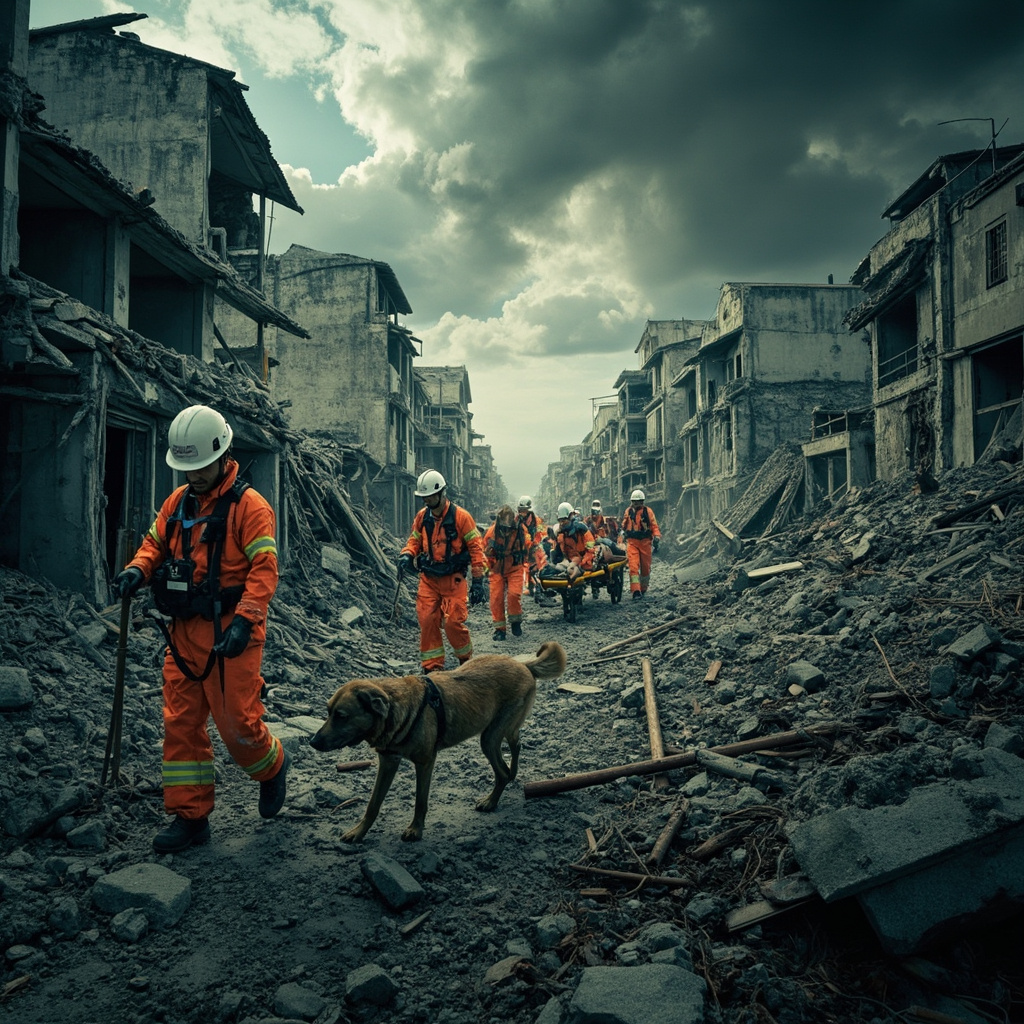
Death Toll Passes 1,700 as Rescue Teams Pull More Survivors From Rubble
Five days after twin earthquakes devastated central-northern Venezuela, the death toll has climbed to at least 1,719, with some 5,000 people injured and around 12,000 displaced from their homes, Venezuelan authorities confirmed on Monday. Search and rescue teams from 27 countries are racing against time to locate survivors beneath the rubble, pulling seven people alive from the wreckage on Sunday alone.
International aid has poured in from across the hemisphere. Mexico, Colombia, Brazil, Chile, Spain, France and the United States are among the nations that have sent specialised urban search-and-rescue teams, emergency medical units and relief supplies. The International Red Cross has deployed two field hospitals. The World Health Organisation has dispatched trauma and surgical teams. Several countries have also offered financial assistance through emergency grants and bilateral agreements, though the full scale of what reconstruction will cost remains unknown.
The magnitude 7.5 and 6.7 earthquakes struck on June 24, with the greatest concentration of casualties in La Guaira state and the Distrito Capital of Caracas. Around 2,500 structures were damaged, many of them entirely collapsed. Approximately 500 aftershocks have been recorded since the initial tremors, including a magnitude 5.2 quake in the early hours of Monday morning.
More Than 2,000 International Rescuers Deployed as Hope Persists
More than 2,000 rescue workers from 27 countries — along with more than 160 search dogs — are currently deployed across more than 40 teams. Although search and rescue operations typically focus on the first 72 hours after a disaster, teams have extended their work after continuing to receive signs of life from beneath the rubble and pulling survivors out beyond the conventional window.
“We continue to operate in a high-risk environment,” said UN Resident and Humanitarian Coordinator in Venezuela Gianluca Rampolla. He also reported that the UN and Venezuelan authorities had agreed to procure 10,000 body bags in anticipation of the death toll rising further.
Conditions on the ground remain extremely hazardous. A tropical wave is threatening to bring heavy rains to affected areas, complicating rescue efforts and raising the risk of further landslides in already destabilized terrain.
Children Bear the Heaviest Toll as Reconstruction Looms
The UN child rights agency UNICEF reported that 680,000 children are among the 1.8 million people in need of humanitarian assistance following the earthquakes. The UN is preparing three assistance centres in La Guaira for families who have lost their homes, offering medical care, food, water, sanitation, protection and psychosocial support.
Vanessa May, head of the UN Office for the Coordination of Humanitarian Affairs (OCHA) in Venezuela, described the psychological toll on survivors. “Moving from having a house, from having a home, to being in a shelter or temporary accommodation is not going to be easy,” she told UN News. “There are people who need a hug,” she said, describing families waiting for news of loved ones, and others who already know their relatives remain buried under the debris.
Ms. May attributed the speed of the initial UN response to the humanitarian architecture established in Venezuela since 2019, which brought together UN agencies, national and international NGOs, the Red Cross and other actors. The UN is working on a new emergency appeal to supplement its existing humanitarian plan.
What Comes Next as the Search Phase Draws Toward a Close
Once search operations conclude, the UN and its partners will carry out rapid needs assessments, including focused attention on older people and persons with disabilities. Debris removal and early recovery will follow, with particular attention to damage to schools and hospitals. Ms. May said the reconstruction phase would require working with authorities to determine where displaced families can be resettled and conducting soil surveys before any relocation.
“This is going to take time,” she said. Coordinating the surge in public donations — with many individuals and organisations arriving spontaneously at affected areas — has been among the key logistical challenges. “Do not let that solidarity stop,” Ms. May urged, calling for sustained international attention on Venezuela well beyond the initial weeks of disaster recovery.
