Qatar PM Meets US Envoys in Doha as Iran Sets Hard Preconditions for Talks
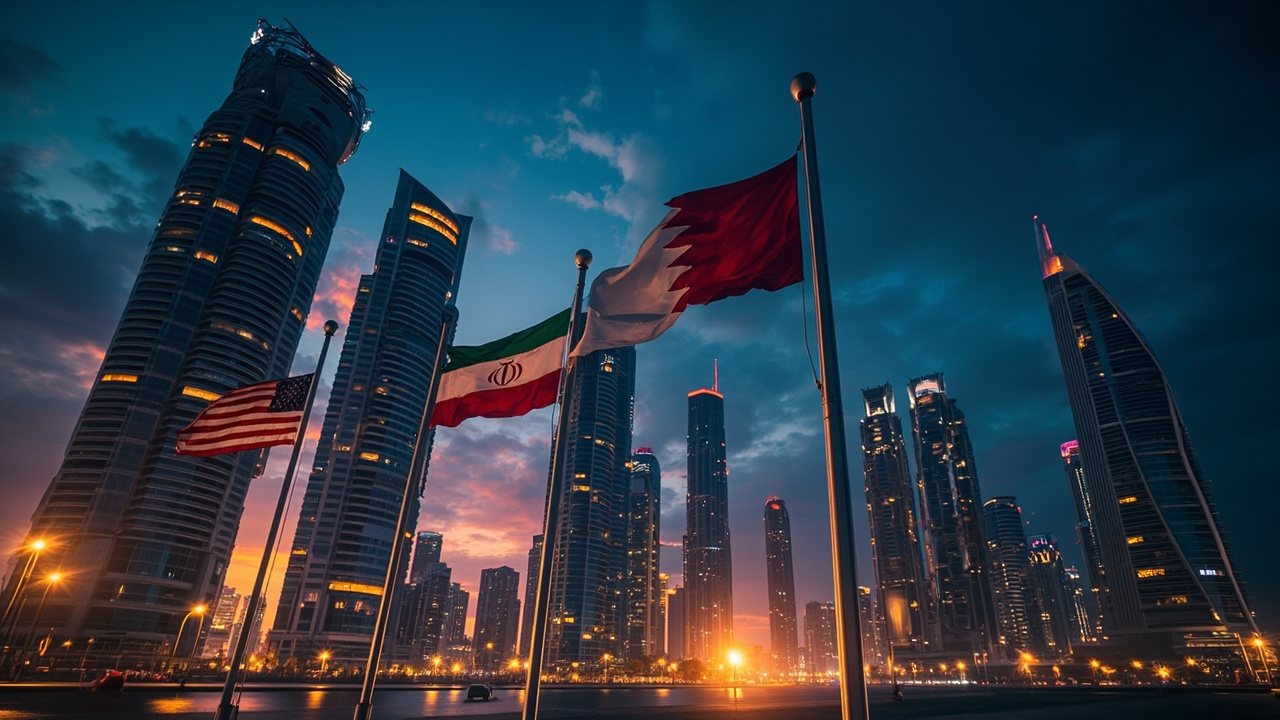
Qatar’s Prime Minister met with senior US envoys in Doha on Tuesday as Iran set out what it called non-negotiable preconditions for any talks on a final nuclear agreement, dimming prospects for a quick diplomatic breakthrough after months of Gulf shuttle diplomacy that had raised cautious optimism in Western capitals.
Qatar’s Mediation Push Meets Iranian Resistance
Iran’s Foreign Minister Abbas Araghchi, speaking in Tehran, said talks on a final deal would not begin until hostilities end definitively in Lebanon and the United States releases frozen Iranian funds held in American correspondent accounts. “We have been clear and consistent from day one,” Araghchi told reporters. “Talks are possible but there are prerequisites that must be met. We will not negotiate under duress.” The statement, carried live on Iranian state television, hardened a position that mediators had hoped was softening.
The Doha meeting came as the Trump administration announced a new round of sanctions targeting Iran’s oil sector and senior Revolutionary Guard commanders. The Treasury Department named seven Guard officials and three oil trading companies in the latest package, part of a sustained campaign of economic pressure that has cut Iran’s crude exports by an estimated 40 percent since measures were reimposed in early 2025.
Qatar, which hosts the largest US military base in the Middle East at Al-Udeid, has positioned itself as a key intermediary between Washington and Tehran. Doha has maintained discreet channels to both governments throughout the crisis, officials familiar with the process said.
Lebanon Ceasefire Under Severe Strain
The Lebanon question has become the most intractable sticking point in any US-Iran understanding. A ceasefire brokered by Washington and Riyadh in early 2026 held for months but has frayed in recent weeks, with both Israel and Hezbollah reporting violations along the Blue Line demarcation. Cross-border artillery exchanges in late June killed at least four Lebanese civilians and two Israeli civilians, according to UN peacekeepers monitoring the truce.
Senior Lebanese officials said their government had been informed of the Doha process but had not been invited to participate. “Lebanon cannot be discussed in its absence,” a senior Lebanese official said. “No agreement on Lebanon’s future can be reached without Lebanese consent. This has been the consistent position of our government.”
Israel has demanded the complete disarmament of Hezbollah as a condition of any permanent arrangement, a position the Lebanese government firmly rejects. The United States has backed Israel’s position while separately engaging with Qatar and Oman as intermediaries, a dual-track approach that critics say sends contradictory signals to Tehran.
Frozen Funds: The Central Sticking Point
Iran insists the release of roughly $7 billion in frozen oil revenues held in US correspondent accounts is a precondition, not a topic for negotiation. The funds were blocked when the Trump administration reinstated comprehensive sanctions in January 2025, reversing relief granted under the 2023 nuclear deal. Iranian officials say the money belongs to Tehran and its release is a legal right, not a concession.
US officials have rejected Iran’s framing, insisting that fund release is a potential incentive within a broader negotiated package, not a precondition for talks. “We are open to discussing the full range of concerns but we will not be blackmailed into concessions before talks begin,” a senior US official said. “Iran must come to the table without preconditions.”
The parallel tracks, diplomatic engagement alongside escalating sanctions and military posturing in the Gulf, reflect the Trump administration’s strategy of pursuing negotiation while maintaining maximum economic pressure, an approach that has produced limited results so far.
What Happens Next
Qatar’s mediators are expected to continue shuttle diplomacy between Washington and Tehran in the coming days. A second meeting between US and Qatari officials is tentatively scheduled for Thursday in Doha, according to people familiar with the schedule.
Iran’s parliament is scheduled to debate a counter-sanctions bill that would accelerate uranium enrichment to weapons-grade levels if the diplomatic track fails. The debate has been postponed twice and is now expected within two weeks, Iranian state media reported. Weapons-grade enrichment would represent a qualitative escalation that would almost certainly end the diplomatic process.
Regional observers say the window for a negotiated outcome is narrowing. “Both sides are talking but neither is moving,” said a Gulf-based diplomatic analyst who tracks the Iran file. “The preconditions are designed to fail. The question is whether that is the intended outcome or simply the starting position.”