Iran Warns of War as Doha Talks Resume, Oman Floats New Hormuz Framework
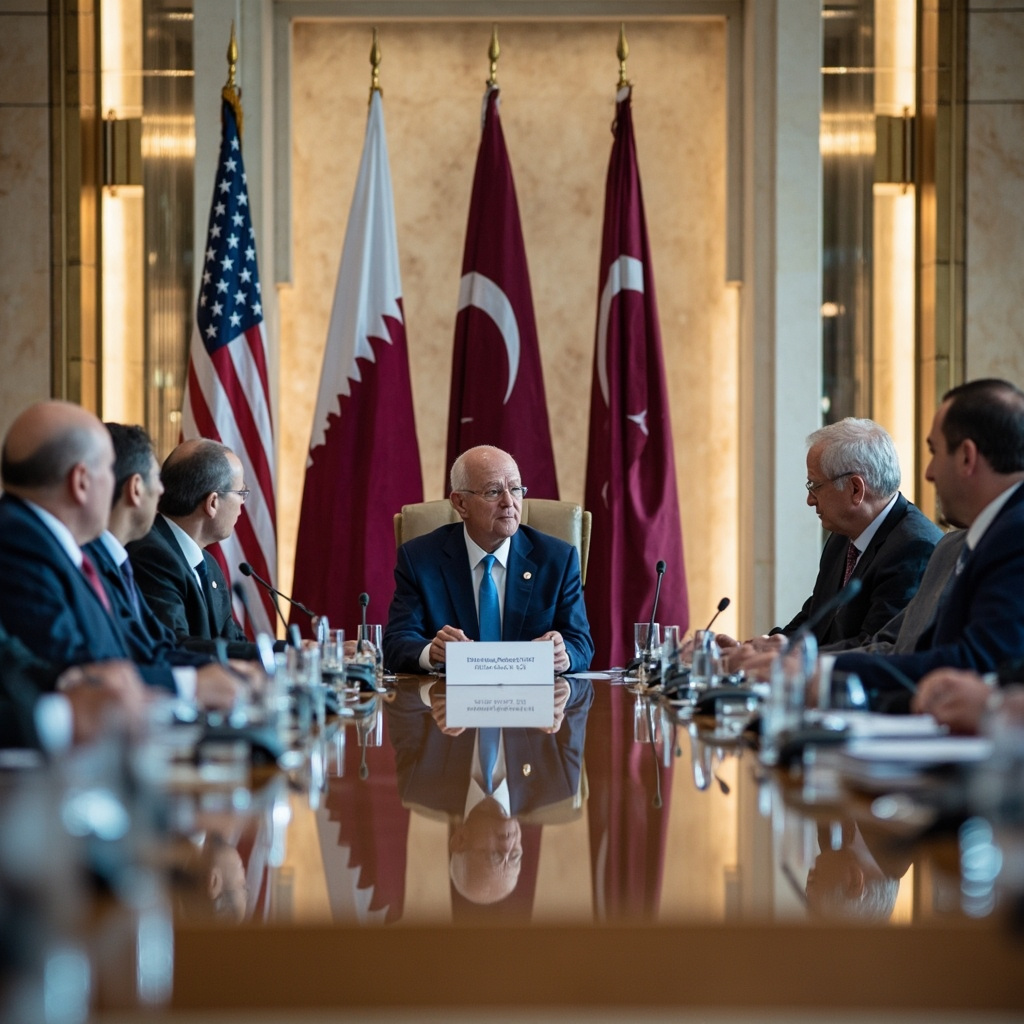
Iran’s chief negotiator warned Wednesday that the Islamic Republic is prepared for war if talks with the United States collapse, as technical discussions between the two sides resumed in Doha under Qatari mediation. The stark warning from Tehran’s top diplomat underscored the fragility of the ceasefire framework that has held — barely — since the lifting of a US naval blockade on Iranian ports last month.
Diplomacy or War: Iran’s Ultimatum
In a televised interview from Doha, Mohammad Bagher Ghalibaf, Iran’s chief negotiator and Parliament speaker, delivered a blunt message to Washington. “We are pursuing dialogue, but if the dialogue is not implemented, we are also prepared for war and will respond accordingly,” he said. The statement came as Iranian and American delegations held separate technical talks in the Qatari capital, with Qatari mediators facilitating the indirect channel between the two sides.
Qatar’s Foreign Ministry confirmed that technical discussions between Iran and the United States are ongoing, though it acknowledged there are currently no high-level meetings between the two governments. “Technical talks between Iran and the United States are continuing,” the ministry said in a statement. The talks are focused on implementing a memorandum of understanding agreed to earlier this year, covering a cessation of hostilities in Lebanon, the lifting of sanctions on Iranian oil exports, and the release of frozen Iranian sovereign assets held abroad.
Oman’s Post-War Plan for the World’s Most Vital Oil Chokepoint
Separately, Oman has circulated a diplomatic proposal to the United States and allied governments outlining a long-term framework for managing the Strait of Hormuz — the narrow waterway through which roughly a fifth of the world’s oil passes. The proposal, described by regional and American diplomatic sources, explores mechanisms for improving navigational safety, environmental protection, and maritime security in the aftermath of months of naval confrontation.
The plan reportedly includes provisions for service fees tied to those functions, though Muscat has stressed it remains committed to international maritime law and freedom of navigation. The security threat level for the strait has been raised to “substantial” due to the risk of mines and ongoing clearance operations, according to the Joint Maritime Information Center. Any new framework would replace the informal status quo that governed the waterway before the recent crisis — a status quo that both Iran and the United States have violated during the peak of hostilities.
Lebanon Ceasefire Under Strain as Israel Strikes in South
The ceasefire between Israel and Hezbollah, negotiated by the United States and signed Friday, showed immediate signs of stress Tuesday when the Israeli military struck a Hezbollah operative in the Manzala area of southern Lebanon — near the security zone where Israeli forces have been operating. Qatar’s Foreign Ministry addressed the strike in its statement Wednesday, saying the meeting between American envoys and Qatari mediators also “emphasized the importance of stabilizing the Lebanon ceasefire and building upon it to preserve Lebanon’s unity, sovereignty and stability.”
American envoys Steve Witkoff and Jared Kushner held talks in Doha on Tuesday with Qatari Prime Minister Mohammed bin Abdulrahman Al Thani. The discussions reviewed the latest developments in negotiations between the United States and Iran, as well as efforts to strengthen regional security through dialogue, according to a Qatari readout. US Secretary of State Marco Rubio and Vice President JD Vance, both mentioned as possible 2028 Republican presidential contenders, have staked out differing public postures on the Iran negotiations — a dynamic that analysts say is shaping the negotiating posture from Washington.
Oil, Assets, and the Stakes of Failure
Since the lifting of the US naval blockade last month, Iran says it has exported more than 40 million barrels of oil — a figure that reflects both the economic stakes of the current negotiations and the scale of revenue lost during the blockade period. Ghalibaf said Tuesday that Iran exported zero barrels during the 50-to-60-day blockade. “From the day the blockade was lifted until today, we have exported more than 40 million barrels of oil,” he said on state television. He also outlined strict preconditions for moving to a final agreement: Iran will not proceed with high-level talks unless clauses 1, 4, 5, 10, and 11 of the existing memorandum of understanding are fulfilled, including the removal of the naval blockade, guarantees for commercial vessel passage, and waivers for Iranian crude exports.
The talks are expected to continue in Doha through the week. Whether the diplomatic track holds — or tips into the open conflict Ghalibaf has warned about — is expected to depend heavily on whether the United States meets Tehran’s conditions in the coming days.
