MILITARY TRAIN ATTACK IN BALOCHISTAN CLAIMS 24 LIVES ON EVE OF EID
QUETTA, Pakistan — At least 24 people were killed and more than 50 others wounded Sunday when an explosive-laden vehicle struck a military train carriage in Quetta, the capital of Pakistan’s restive Balochistan province, officials said. Army personnel and their families were travelling to celebrate Eid al-Adha when the bomb tore through the train on one of the busiest travel weekends of the year.
The blast targeted a carriage carrying security forces near the Airport Road junction in Quetta, close to the city’s main railway station. Senior police official SSP Hamid Shakeel confirmed the casualty toll and said rescue teams were working at the scene, with hospitals placed on high alert. “The attack was clearly aimed at maximum civilian and military casualties during the Eid travel rush,” Shakeel told reporters.
The Balochistan Liberation Army, a militant group that has carried out dozens of attacks on Pakistani security forces over the past two decades, claimed responsibility in a statement circulated on social media. The group said the operation was a “revenge attack” for recent Pakistani military operations in Baloch districts that allegedly displaced thousands of civilians.
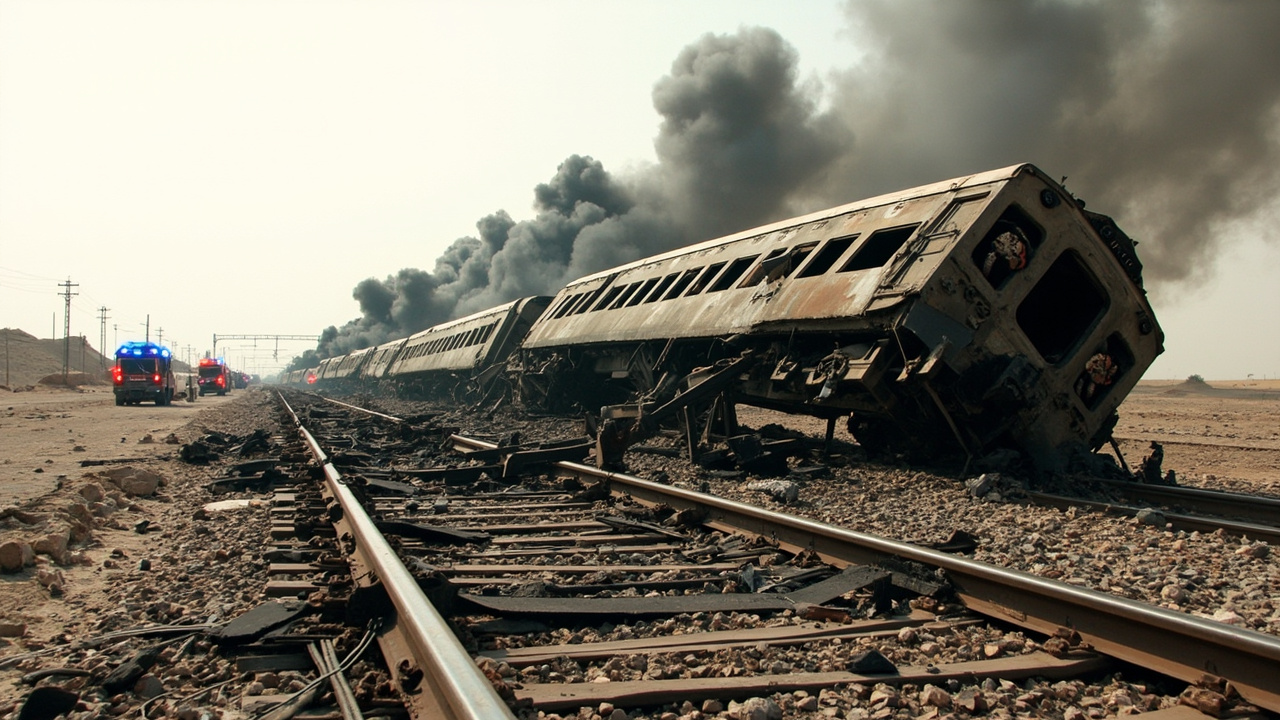
Television footage from the scene showed the badly damaged rear carriage of the train lying on its side beside the tracks, with heavy debris scattered across the platform. Paramedics carried victims on stretchers toward waiting ambulances as relatives gathered at the station, many crying and desperately searching for loved ones.
Pakistani Prime Minister Shehbaz Sharif condemned the attack in the strongest terms, calling it a “cowardly act of terror” and directing all available resources toward rescue and relief operations. In a statement from his office, he said: “Our forces will hunt down those responsible and they will face the full wrath of the state.”
The attack comes amid heightened tensions across Pakistan following a series of militant operations in the former tribal areas along the Afghanistan border, and days ahead of the Eid al-Adha holiday, when hundreds of thousands of Pakistanis travel by rail and road to their hometowns and villages. The timing — targeting a military train carriage filled with soldiers and their families on a holiday travel weekend — was described by analysts as a deliberate attempt to inflict both psychological and physical harm.
Balochistan has been the scene of a low-intensity separatist insurgency for decades. While attacks on security forces are frequent, strikes on trains carrying military personnel are rarer and have historically caused significant public outrage. The Pakistan Railway network, a critical national asset used by millions of low- and middle-income Pakistanis, has increasingly become a target for militant groups seeking to undermine state authority and public confidence in government institutions.
Regional analysts warned that the bombing could further destabilise already fragile peace negotiations between Islamabad and certain Baloch factions. “This attack is a direct message to any voice of compromise within the Baloch nationalist movement,” said political analyst Raza Nasir. “It signals that those who seek dialogue with the state will face violent rejection from the most radicalised wing of the insurgency.”
The military said it had launched a search operation in Quetta and surrounding districts and had established checkpoints on all major roads out of the city. Interior Minister Mohsin Naqvi convened an emergency meeting of security officials and said the full capabilities of the state would be deployed to track down and eliminate the perpetrators.
No group beyond the BLA has officially claimed responsibility, though investigators said they were examining the possibility that other extremist networks, some with potential links to foreign intelligence services, may have assisted in planning the attack. The investigation is expected to take several days.
As Pakistan prepares for Eid al-Adha, normally a period of celebration and family reunions, the country confronts yet another bloody chapter in its long struggle against domestic militancy. The attack on Sunday drew swift condemnation from the United Nations, the United States, and Pakistan’s regional neighbours, all of whom called for urgent steps to prevent further loss of life as the holiday approaches.