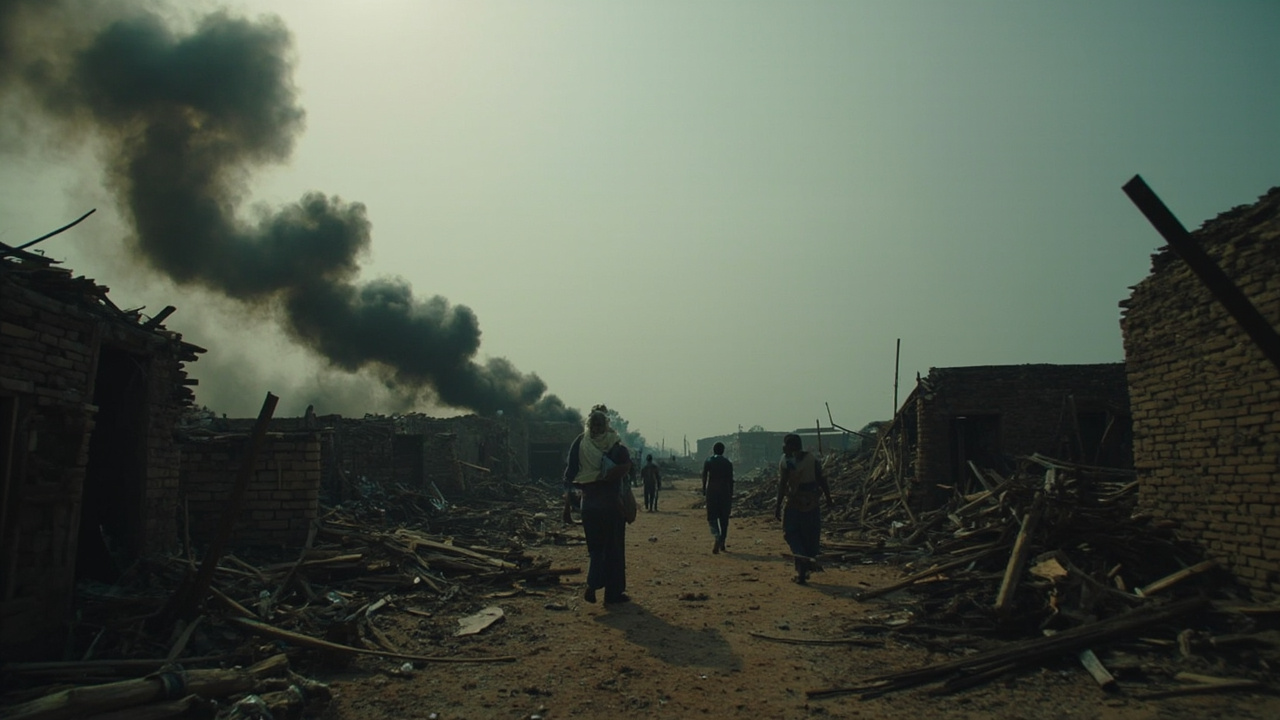
BAMAKO — Al-Qaeda-linked militants from the Jama Nusrat al-Islam wal-Muslimin (JNIM) have seized control of the strategic military base in Tessalit, northern Mali, in a coordinated assault that sent Malian forces retreating southward, according to military officials and regional security sources.
The attack on the Tessalit fort — a key outpost in the Kidal region — represents a significant strategic gain for JNIM, which has steadily expanded its footprint across the Sahel over the past three years. Malian military spokespeople confirmed that forces withdrew from the base following intense fighting, though they did not disclose casualty figures.
Tessalit sits near the tri-border area of Mali, Algeria, and Niger, and its fall cuts off a critical intelligence-sharing and counter-terrorism corridor that Western powers have relied on. France, which withdrew its Barkhane forces from Mali in 2022 after a breakdown in relations with the military junta, had previously used Tessalit as a logistics and drone-surveillance hub.
Military Assessment and Regional Implications
Regional analysts described the loss of Tessalit as a blow to Mali’s military junta, which has relied heavily on Russian Wagner Group advisers — now rebranded as the Africa Corps — to fill the security vacuum left by French and UN withdrawals. Despite the presence of Russian military contractors, JNIM has continued to exploit gaps in surveillance and rapid-response capacity.
The fall of Tessalit is not just a territorial loss — it is a strategic signal. JNIM has demonstrated it can concentrate forces, coordinate multi-front operations, and hold terrain against a professional military. That was not the case even 18 months ago, said Dr. Aminata Sow, a Sahel security analyst at the African Center for Strategic Studies in Dakar. The implications for the broader Sahel region — Burkina Faso, Niger, even Libya — are serious.
The United States has maintained a small intelligence and counter-terrorism footprint in Niger, and the collapse of a northern Malian outpost raises questions about the viability of cross-border operations in the Sahel. US Africa Command (AFRICOM) declined to comment on the tactical implications but said it was monitoring the situation closely.
International Response and Diplomatic Fallout
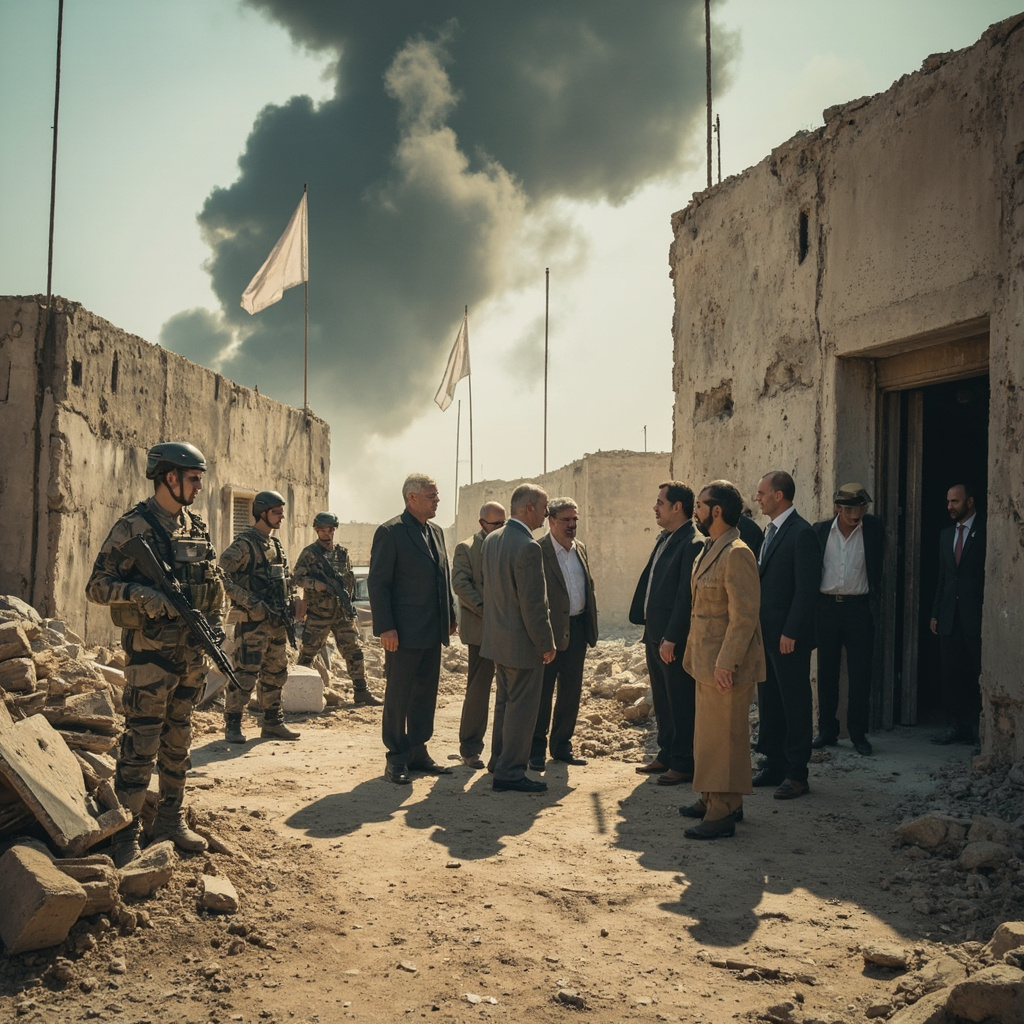
The UN Multidimensional Integrated Stabilization Mission in Mali (MINUSMA) — which itself is in a phased withdrawal following the junta’s request — said it was aware of the incident but would not comment on active combat operations outside its mandate zones. The African Union and ECOWAS issued a joint statement condemning the attack and calling for an immediate de-escalation.
Algeria, which shares a long and porous border with northern Mali, expressed particular concern. Algerian authorities have long warned that ungoverned space in northern Mali could spill over into its own territory, which has already seen low-level smuggling and militant transit. Algiers has proposed a regional stabilization framework but has been blocked by Mali’s junta, which views Algerian involvement as an infringement on sovereignty.
This is exactly the scenario Algiers warned about. When French forces left and the junta turned to Russia, everyone knew this moment would come eventually. JNIM was waiting, building, and now they have a foothold in Tessalit that they can hold and use, said a Western diplomat with knowledge of the regional situation, speaking on condition of anonymity.
Humanitarian and Security Outlook
Displaced civilians from Tessalit and surrounding villages have begun arriving in Kidal and Gao, overwhelming local camps that were already at capacity. aid organizations operating in the region say they face severe constraints in accessing remote areas due to the insecurity. The International Committee of the Red Cross issued an urgent appeal for access to deliver medical supplies and assess the needs of the affected population.
For the Malian military junta, the loss of Tessalit is a reputational and operational setback at a moment when it is already under pressure from multiple directions. The Wagner/Africa Corps presence has not produced the security gains the junta promised when it expelled French forces, and JNIM’s advance exposes the limits of a security strategy built around private military contractors without the wider intelligence and logistics network that Western forces provided.
The question now is whether JNIM pushes further south toward Kidal — the regional capital — or consolidates its hold on Tessalit and uses it as a command hub. Either path carries serious implications for the stability of the entire Sahel region.
Rachel Torres contributed reporting from Bamako.