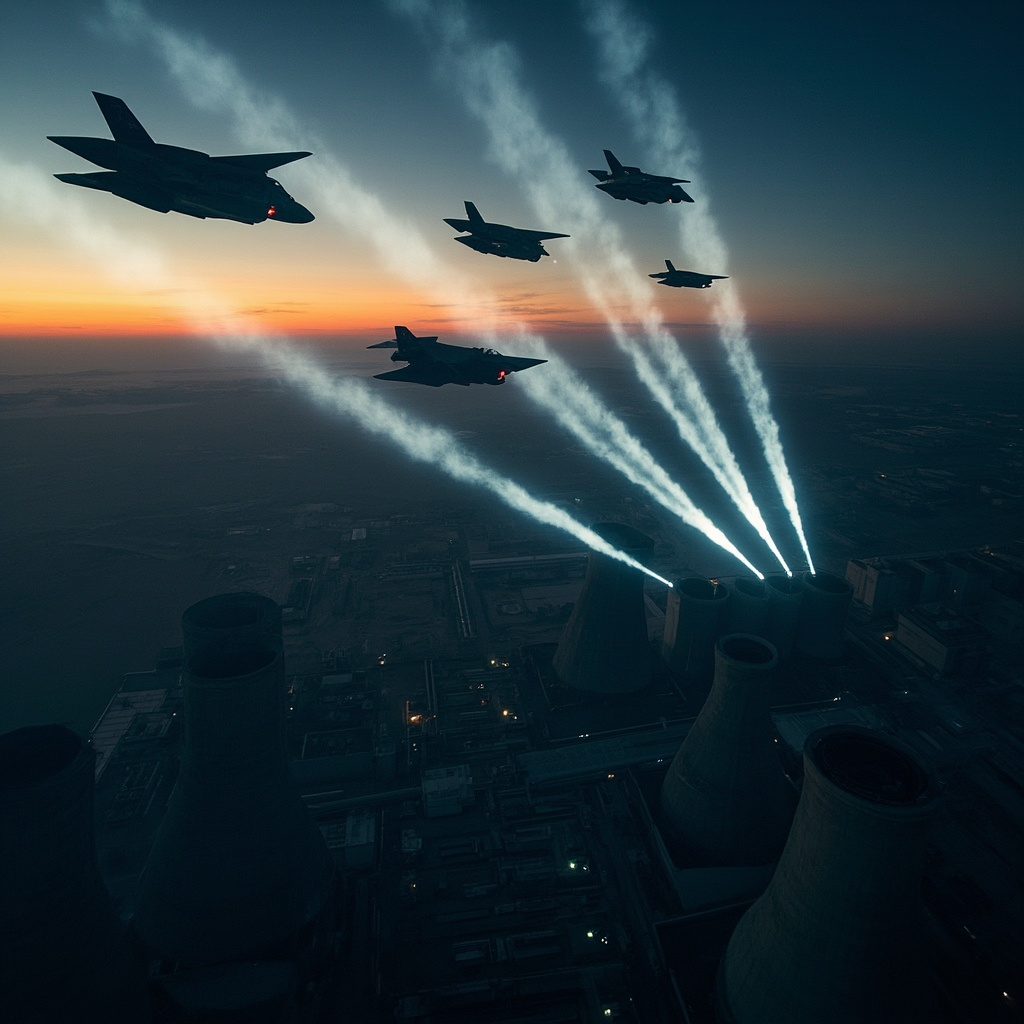
Japan announced a record 8.5 trillion yen ($57 billion) defence budget for fiscal 2027 on Friday — its largest ever — to fund the simultaneous acquisition of Tomahawk cruise missiles, two additional Aegis destroyers, and a new space operations unit, marking a decisive break from Japan’s post-war pacifist ceiling.
Prime Minister Shigeru Ishiba said the package reflected “a fundamentally changed security environment” and called on parliament to pass the budget without delay. “We can no longer afford the luxury of half-measures,” Ishiba told a press conference. “The threats we face are real, they are growing, and they require an immediate and proportionate response.”
The budget represents a 12 per cent increase over the current fiscal year and pushes defence spending to 2.3 per cent of GDP — exceeding the informal 2 per cent threshold that Japan’s pacifist constitution has long discouraged. It is the third consecutive year of record defence spending under Ishiba’s government.
The largest single allocation — 1.2 trillion yen — will fund the purchase of 400 Tomahawk cruise missiles from the United States, with delivery scheduled to begin in 2027. A further 800 billion yen will pay for two additional Aegis-equipped destroyers, bringing Japan’s fleet of advanced air-defence vessels to ten.
A new space operations unit, budgeted at 150 billion yen, will be headquartered at Hamamatsu Air Base and will focus on satellite surveillance, anti-satellite defence, and space-based early warning. Japan’s defence ministry said the unit would be operational by March 2028.
The budget drew a sharp response from Beijing. China’s foreign ministry said Japan was “using the so-called security threat as a pretext for military expansion” and warned that the Tomahawk acquisition “seriously undermines regional strategic stability.” South Korea offered a more measured response, with the foreign ministry saying it “understood Japan’s security concerns” but urging “transparency in the deployment of offensive weapons systems.”
North Korea’s state media called the budget “a declaration of war against the Korean people” and said Japan was “transforming itself into a war-making machine under the pretext of self-defence.”
Domestic opposition was muted. The Constitutional Democratic Party said it would “scrutinise the budget carefully” but stopped short of opposing it outright. The Japan Communist Party was the only major party to call for the budget to be rejected entirely.
Markets reacted positively to the announcement. The Nikkei 225 rose 1.3 per cent, with defence stocks leading gains. Mitsubishi Heavy Industries climbed 4.2 per cent, while Kawasaki Shipbuilding gained 3.8 per cent. The yen weakened slightly against the dollar.
Analysts at Nomura said the budget was “a watershed moment for Japanese defence policy” that would “reshape the strategic landscape of the Indo-Pacific.” The International Institute for Strategic Studies said the Tomahawk acquisition gave Japan “a credible long-range strike capability for the first time since 1945.”
Japan’s shift toward a more assertive defence posture has been welcomed by the United States, which has long pressed Tokyo to take a greater security role in the Indo-Pacific. US Defence Secretary Lloyd Austin called the budget “a historic investment in shared security” and said it demonstrated Japan’s commitment to being “a cornerstone of regional stability.”
Sources: Kyodo News, Reuters, AP, Japan Times, BBC, Nikkei Asia, NHK World.
Written by Kenji Tanaka, Asia-Pacific Bureau Chief
Kenji Tanaka
Kenji Tanaka covers Asia Pacific security, technology, and geopolitics from Tokyo.