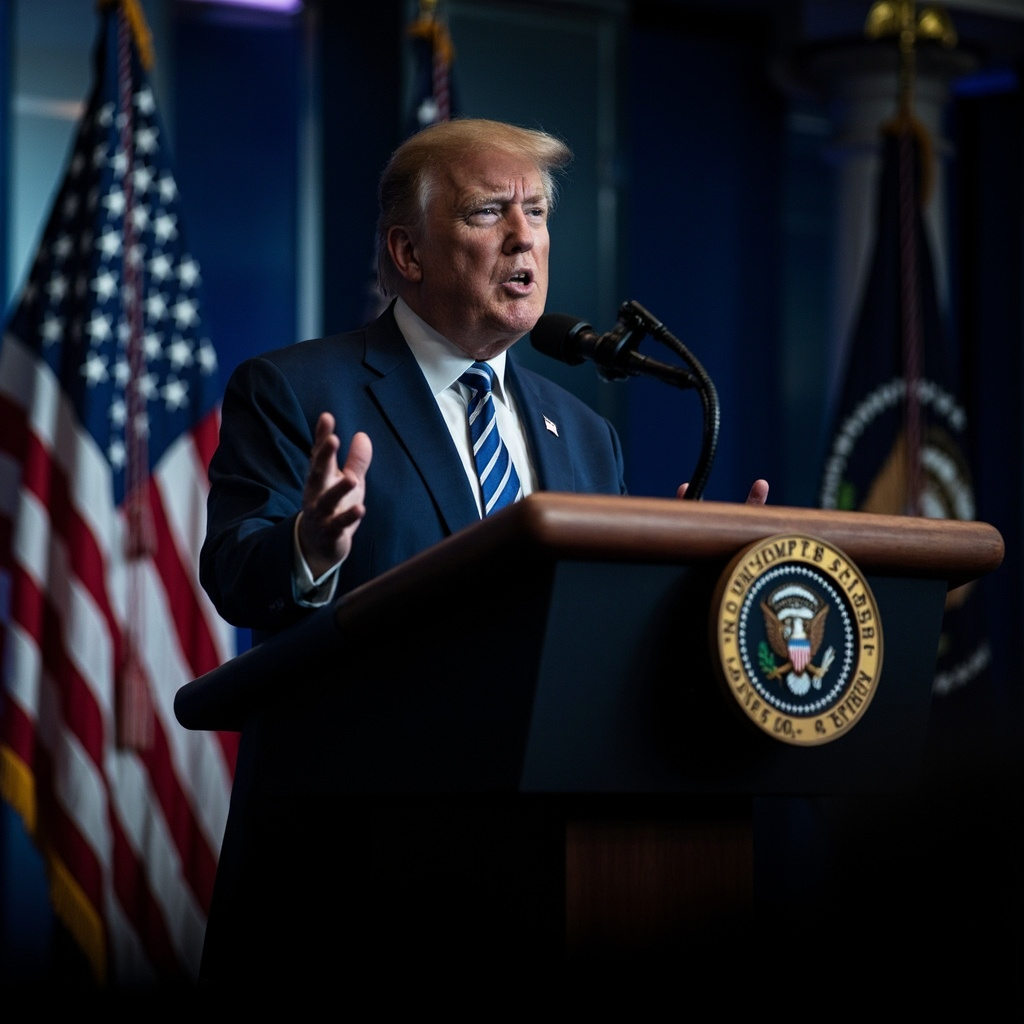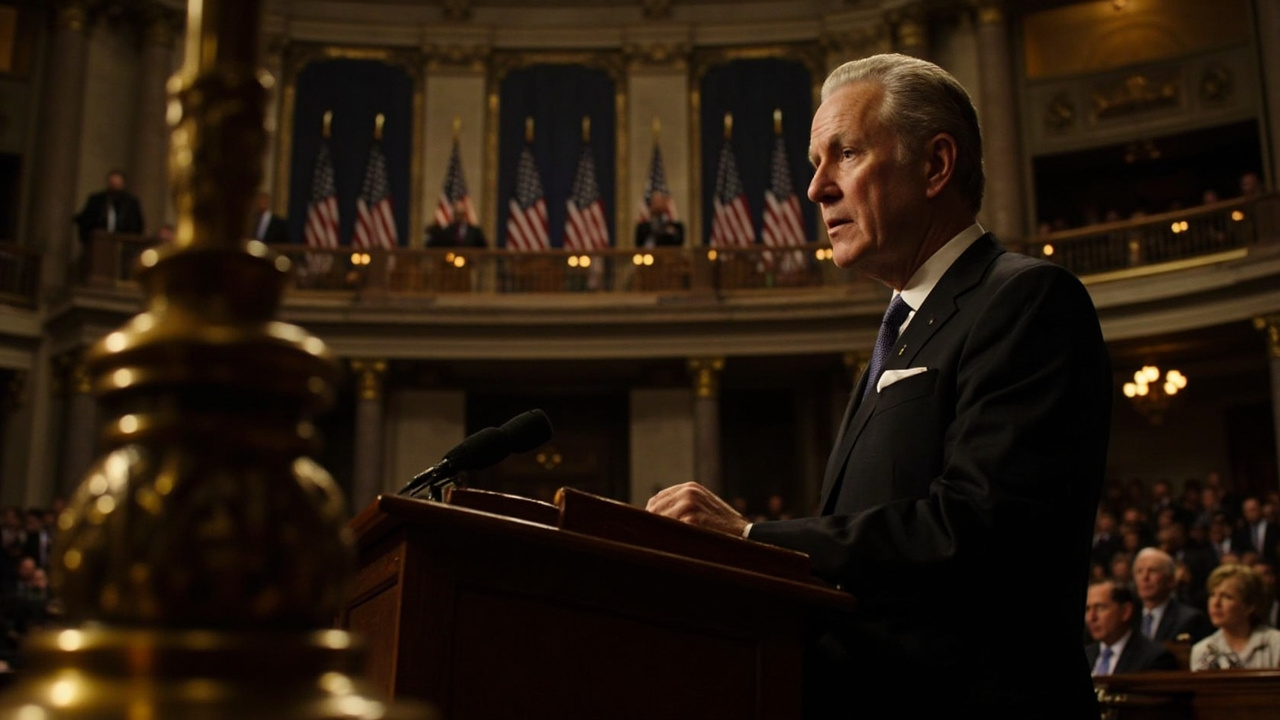
WASHINGTON — In an unprecedented moment in the more than 250-year history of the United States Congress, King Charles III became the first British monarch to address both chambers of the U.S. legislature, delivering a sweeping speech that touched on the enduring alliance between the United States and the United Kingdom, the importance of NATO cohesion, and the urgent need to defend Ukraine against ongoing Russian aggression.
The historic address, delivered in the House of Representatives chamber on April 28, 2026, came during an official state visit by King Charles and Queen Camilla, with U.S. President Trump and Ukrainian President Zelenskyy both in attendance — a striking diplomatic tableau that underscored the gravity of the moment.
A Monarch First Address to Congress
British monarchs have met with American presidents and visited the United States numerous times, but no reigning king or queen had ever formally addressed the Congress itself — until now. The King delivery was measured, warm, and at times deeply personal, drawing on his decades of diplomatic experience and his lifelong commitment to the transatlantic bond.
“We gather today at a moment that demands not only the recognition of how far we have come together, but also a clear-eyed reckoning with the challenges that lie ahead,” the King said. “The friendship between our nations is one of the most consequential alliances in modern history — and it must be defended with renewed purpose.”
On Ukraine: We Must Not Allow Exhaustion to Become Surrender
The most striking portion of the King speech focus squarely on the war in Ukraine, where fighting has now continued for more than four years since Russia full-scale invasion in February 2022. The King language was unambiguous — a notable departure from diplomatic caution.
“To those who would counsel withdrawal or accommodation with aggression, I say simply: history will not forgive us if we fail Ukraine now,” the King declared, to sustained applause from lawmakers of both parties. “We must not allow exhaustion to become surrender.”
The remarks landed at a fraught diplomatic moment. Ceasefire negotiations brokered by the Trump administration have stalled in recent weeks, with both Moscow and Kyiv accusing each other of violations. European NATO members have stepped up arms deliveries, while the U.S. has signaled a desire to reduce its financial commitment to the conflict.
On NATO: An Alliance Is Only as Strong as Its Members Will
Beyond Ukraine, the King issued a broader defence of the NATO alliance, which has faced strain from debate over burden-sharing and questions about its future direction. He praised the United States for its longstanding leadership within the alliance while urging all members to meet their commitments.
“An alliance is only as strong as the will of its members to stand together — not merely in times of crisis, but in the quiet, difficult work of maintaining readiness, sharing burdens, and resisting the temptation to go it alone,” the King said.
President Trump, who has repeatedly criticized NATO allies for what he describes as insufficient defence spending, was present for the address. The King did not name any country directly, but his remarks were widely interpreted as a pointed message to European members to accelerate their defence investments.
Zelenskyy in the Gallery
Ukrainian President Volodymyr Zelenskyy attended the address at the King invitation, sitting in the House gallery alongside senior members of Congress. The Ukrainian leader, who had met separately with both the King and President Trump earlier in the day, was greeted with a standing ovation — a gesture that drew a formal acknowledgment from King Charles.
Following the speech, Zelenskyy posted on social media: “Grateful to His Majesty and the American people. Ukraine will never stand alone.”
A Personal Note: The King Own History
The King speech also carried a personal dimension. He referenced his own service in the Royal Navy and his visits to conflict zones over decades, drawing a direct line from his experience to the sacrifices of today armed forces. He spoke of visiting wounded service members and their families, a theme that has defined much of his public work as monarch.
“I have seen what war costs — not in headlines, but in the faces of those who return changed, and in the silence of those who do not return at all,” he said. “That is why this speech is not political. It is a matter of honour.”
Historic Echoes
Historical parallels were inevitably drawn. Queen Elizabeth II addressed the U.S. Congress in 1991 — but as a head of state, not in a formal address to the legislature. King Charles speech marks a distinct first, and the symbolism was not lost on lawmakers, who lined the chamber galleries to an unusual degree.
Speaker of the House Mike Johnson called it “one of the most memorable addresses in the modern history of this institution.” The Senate majority leader called it “a reminder that our closest allies sometimes see our challenges with a clarity we ourselves struggle to maintain.”
The speech lasted approximately 47 minutes and was broadcast live on all major U.S. and UK networks. It was followed by a formal state dinner at the White House.
— Sarah Mitchell, News Correspondent, Media Hook | April 29, 2026