NATO Leaders Converge on Ankara as Dual Crises Reshape Alliance Agenda
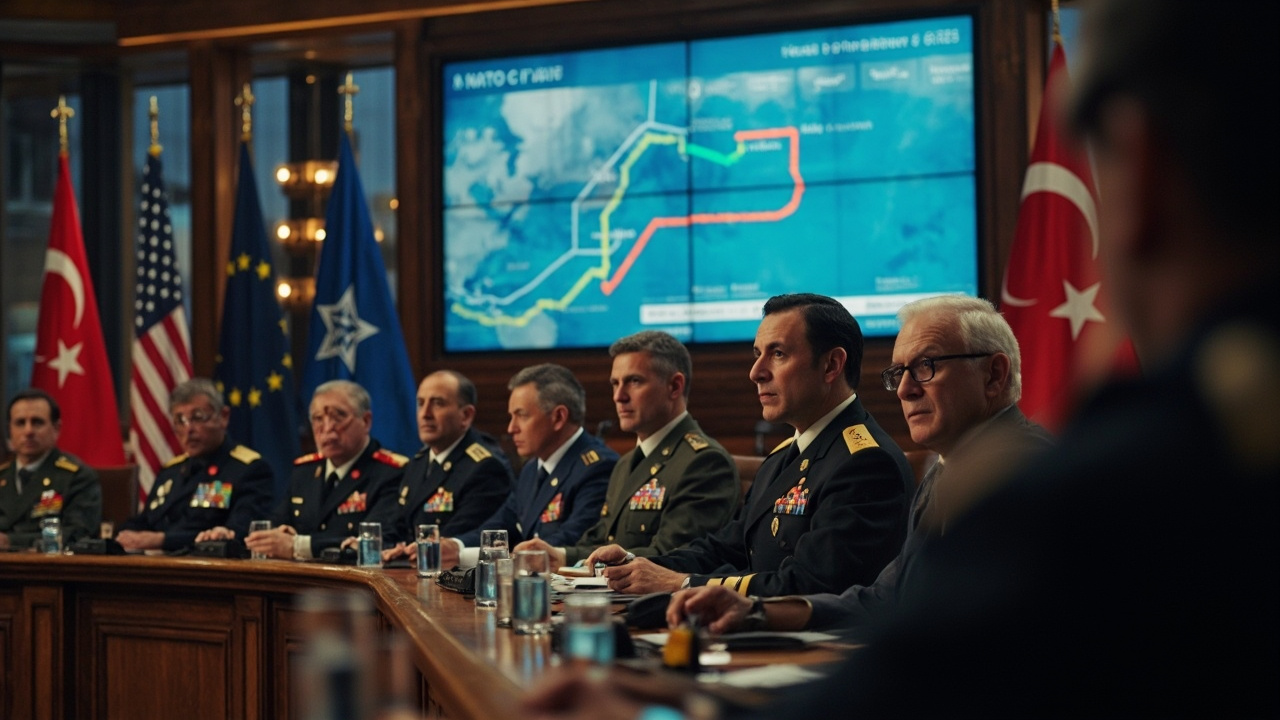
NATO leaders gathered in Ankara on Tuesday for a summit shaped by two overlapping crises: the unprecedented European heatwave that has killed more than 1,400 people and the escalating Hormuz Strait standoff that has disrupted global energy shipments. Secretary-General Mark Rutte told reporters the alliance faced “the most consequential week in NATO’s recent history” as he opened the one-day meeting at the Turkish Presidential Complex.
Alliance Grapples With Dual Crises at Emergency Summit
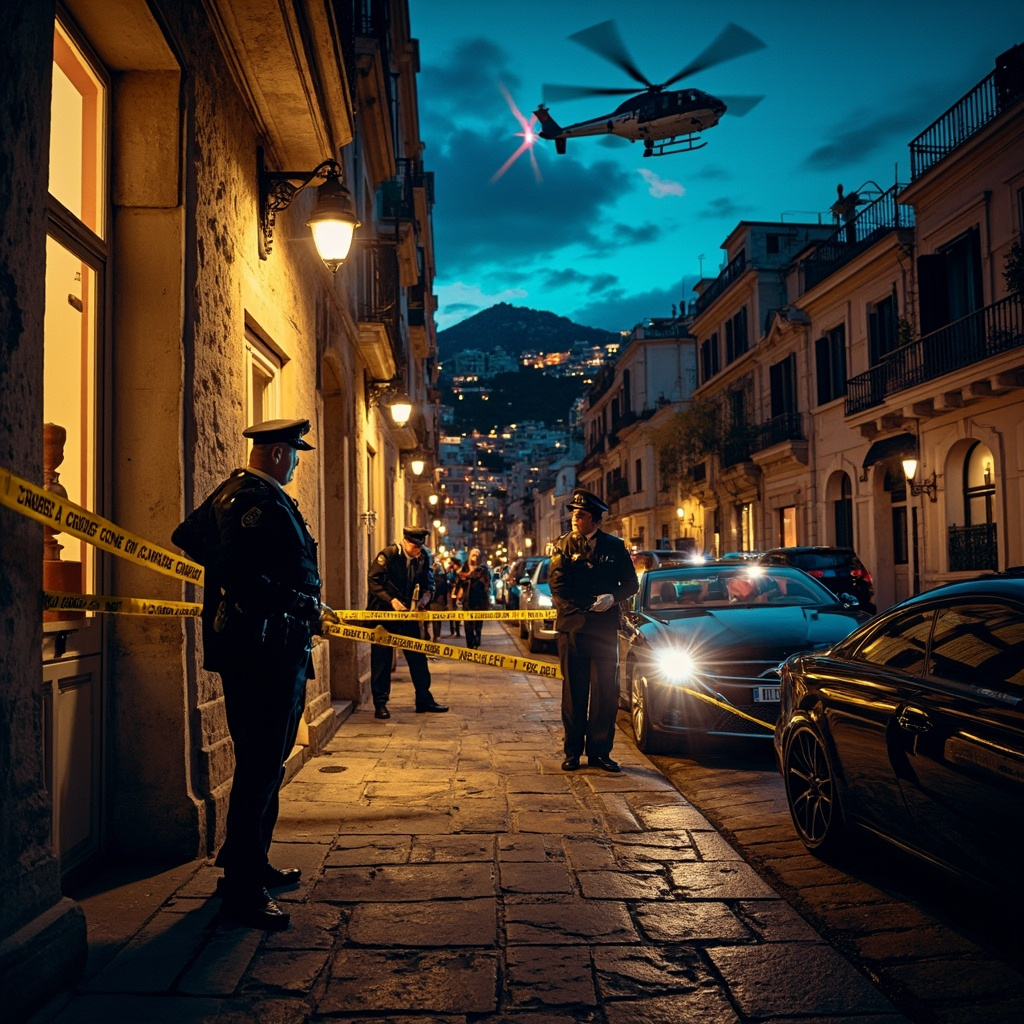
Forty leaders attended the session, which was called on 72 hours’ notice after consultations between the United States, Turkey and the United Kingdom. The heatwave, which has pushed temperatures above 45 degrees Celsius in parts of southern Europe and the Balkans, has strained military logistics, forced the partial suspension of exercises in several countries and prompted requests for allied assistance from Greece, Albania and North Macedonia. NATO’s chemical, biological, radiological and nuclear defence units have been placed on standby, according to a senior NATO official who spoke to Reuters on condition of anonymity ahead of the formal communique.
The Hormuz crisis has added a second dimension to the summit. Attacks on commercial vessels in and around the Persian Gulf have raised insurance premiums to levels not seen since the tanker wars of the 1980s. Three NATO member states — the United States, the United Kingdom and France — have contributed warships to a new allied presence operation in the strait, and leaders were expected to formalize a mandate for sustained maritime surveillance.
Leaders Formalize Maritime Surveillance Mandate
According to a draft declaration seen by the Associated Press, NATO members agreed to “a sustained allied maritime posture in the Hormuz Strait region” to protect commercial traffic and deter further destabilizing actions. The language stops short of invoking Article 5, which would obligate all members to treat an attack on one as an attack on all. Several European allies have resisted such a step, fearing it would draw NATO deeper into a confrontation with Iran.
“We are not seeking escalation, but we will not allow the free flow of commerce to be held hostage,” the draft text states. It also acknowledges climate change as a “threat multiplier” that is reshaping the strategic landscape the alliance must operate in.
Turkish President Recep Tayyip Erdogan, who hosted the summit, used his opening remarks to call for a diplomatic off-ramp on Hormuz. “War is not inevitable,” Erdogan said, according to a Turkish government statement. “Turkey stands ready to facilitate direct talks between the parties.” His government has maintained open channels with Iran, and Turkish officials have indicated they could serve as a back-channel if Washington and European capitals decide a negotiated outcome is preferable to a prolonged maritime standoff.
Climate Change Cited as Strategic Threat Multiplier
The summit’s formal agenda included a rare discussion of climate security — a reflection of how the heatwave has moved from a humanitarian emergency to a strategic concern for the alliance. A NATO official told reporters that extreme heat was now factored into the alliance’s infrastructure planning, force deployment calculations and energy security assessments. “We used to treat climate as a background variable,” the official said. “That is no longer possible.”
The nine-point declaration adopted at the close of the summit covers NATO’s posture on Ukraine, its role in Middle Eastern security, the expansion of the alliance’s eastern flank, and a renewed commitment to the 2 percent of gross domestic product defence spending target that has been a recurring source of tension between Washington and European capitals. A separate annex addresses the heatwave’s impact on allied readiness and outlines a framework for sharing military disaster-response assets across borders.
Leaders also reviewed progress on the NATO Innovation Fund, which was launched at the Vilnius summit and has since drawn participation from the private sector in several allied countries. Rutte said the fund had allocated its first grants to early-stage companies working on AI-assisted logistics and heat-resistant materials for military equipment.
What Comes Next: Monitoring Implementation
The real test for this summit will be implementation rather than declarations. NATO defence ministers are scheduled to meet in October to assess progress on the maritime posture in the Gulf and to review the alliance’s heatwave response framework. Whether the Hormuz mandate translates into sustained naval presence will depend on continued political will in capitals that are also managing domestic pressure over energy prices and immigration — issues that the heatwave has aggravated in several European countries.
Observers note that the Ankara summit produced more substance than most emergency gatherings typically generate, partly because the dual crises forced leaders to move beyond the ritual exchanges that often dominate larger, scheduled summits. Whether that urgency translates into durable policy changes will become apparent in the months ahead, as the heatwave season continues and the Hormuz situation remains unresolved.