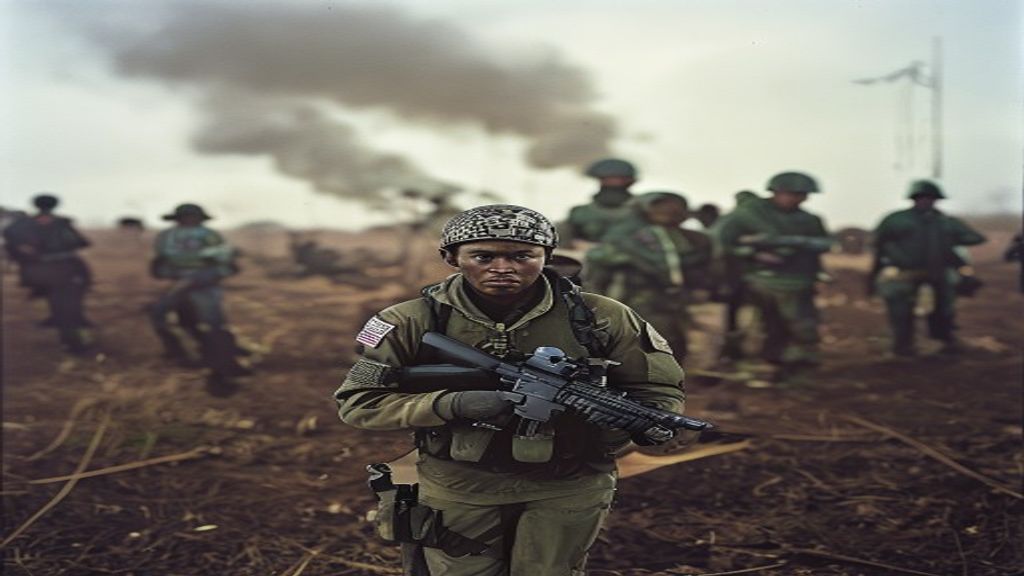
South Africa has deployed 2,500 soldiers to its two most populous provinces after anti-foreigner riots that erupted in late June forced more than 1,000 documented evacuations of foreign nationals, with Zimbabwean and Mozambican communities bearing the brunt of the violence. The deployment marks the largest military response to internal unrest since the 2008 xenophobic killings that shocked the continent.
Gauteng and KwaZulu-Natal Under Siege
President Cyril Ramaphosa activated the National Defence Force after armed mobs targeted shops, homes, and informal settlements in Johannesburg’s inner city and the greater Durban metropolitan area. At least 42 people have been confirmed dead, with dozens more hospitalized. Police say they have arrested more than 300 suspects.
The violence has triggered a diplomatic crisis. Zimbabwe’s government summoned South Africa’s ambassador and demanded the “immediate protection” of its nationals. Mozambique recalled its consul-general from Durban after Mozambican traders were dragged from their market stalls and beaten.
Ramaphosa Defends Military Response Amid Criticism
Ramaphosa addressed the nation on June 30, saying the deployment was necessary to restore order. “We will protect every person living in South Africa, regardless of nationality,” he said. “This government will not tolerate vigilantism or violence against any community.”
But critics say the military response came too late. Community leaders in Johannesburg’s Yeoville and Bellevue neighborhoods say police were absent for the first 48 hours of the violence, allowing mobs to operate freely. The Democratic Alliance opposition called for an independent inquiry into alleged police failures.
International Response and Human Rights Concerns
The United Nations High Commissioner for Refugees has called on the South African government to guarantee the safety of all displaced persons, including those without formal documentation. “Refugees and asylum seekers must not be punished for the failure of states to provide decent economic opportunities,” a UNHCR spokesperson said in Geneva. Several Western embassies in Pretoria have issued travel advisories warning their nationals to avoid affected areas.
Meanwhile, the Southern African Development Community faces an acute test of its credibility. The regional bloc has been largely silent on the crisis, drawing criticism from civil society organizations. “SADC talks about solidarity and integration but when its most powerful member state is torching foreign nationals, the silence is deafening,” said Miriam Dube, director of the Johannesburg-based Southern African Litigation Centre.
Regional Dimension: Five African Nations Braced for Spillover
The South Africa crisis is unfolding against a backdrop of broader regional instability. In West Africa, Mali and Niger’s exit from the G5 Sahel framework has left a security vacuum that jihadist groups are already exploiting, with at least 37 civilians killed in Burkina Faso’s eastern mining belt. In Central Africa, Ebola has crossed from the Democratic Republic of Congo into Uganda for the first time in the current outbreak, alarming health officials at the WHO. East Africa faces its own turbulence: Kenya’s Gen Z protest movement marked its two-year anniversary with fresh demonstrations, while Uganda’s government banned a major independent broadcaster. North Africa remains consumed by Sudan’s grinding civil war, now in its 17th month, with El Fasher under sustained artillery fire and cholera deaths mounting.
The convergence of these crises has placed enormous strain on the African Union, which is facing calls to convene an emergency heads-of-state summit. Analysts warn that the continent’s institutions are struggling to respond to simultaneous shocks across multiple regions.
Root Causes: Economic Stagnation Fuelling Resentment
Economists and social scientists say the violence in South Africa reflects deep structural pressures. Unemployment has risen to its highest level in over a decade, with youth joblessness above 50 percent in several provinces. Informal traders — many of them foreign nationals — are increasingly seen as economic competitors by local communities.
“This is what happens when you have years of economic stagnation, rising inequality, and no credible social contract,” said Dr. Mosa Mokoena, a political economist at the University of the Witwatersrand. “Blaming foreigners is a distraction from structural failure at every level of government.”
International humanitarian organizations are calling for urgent donor support. The UN High Commissioner for Refugees has warned that displaced foreign nationals in South Africa face a dual crisis: danger from the mobs and legal precarity, as many lack formal refugee status and fear deportation if they seek help.