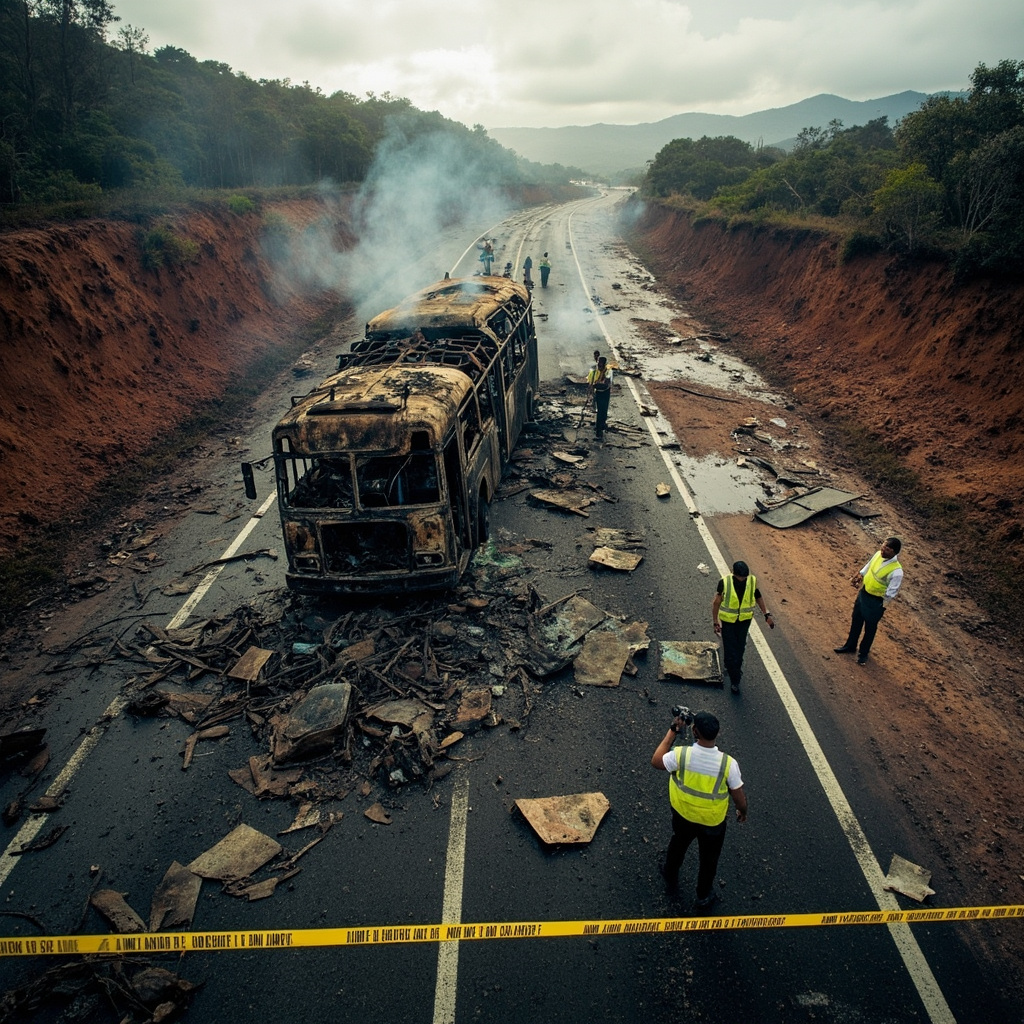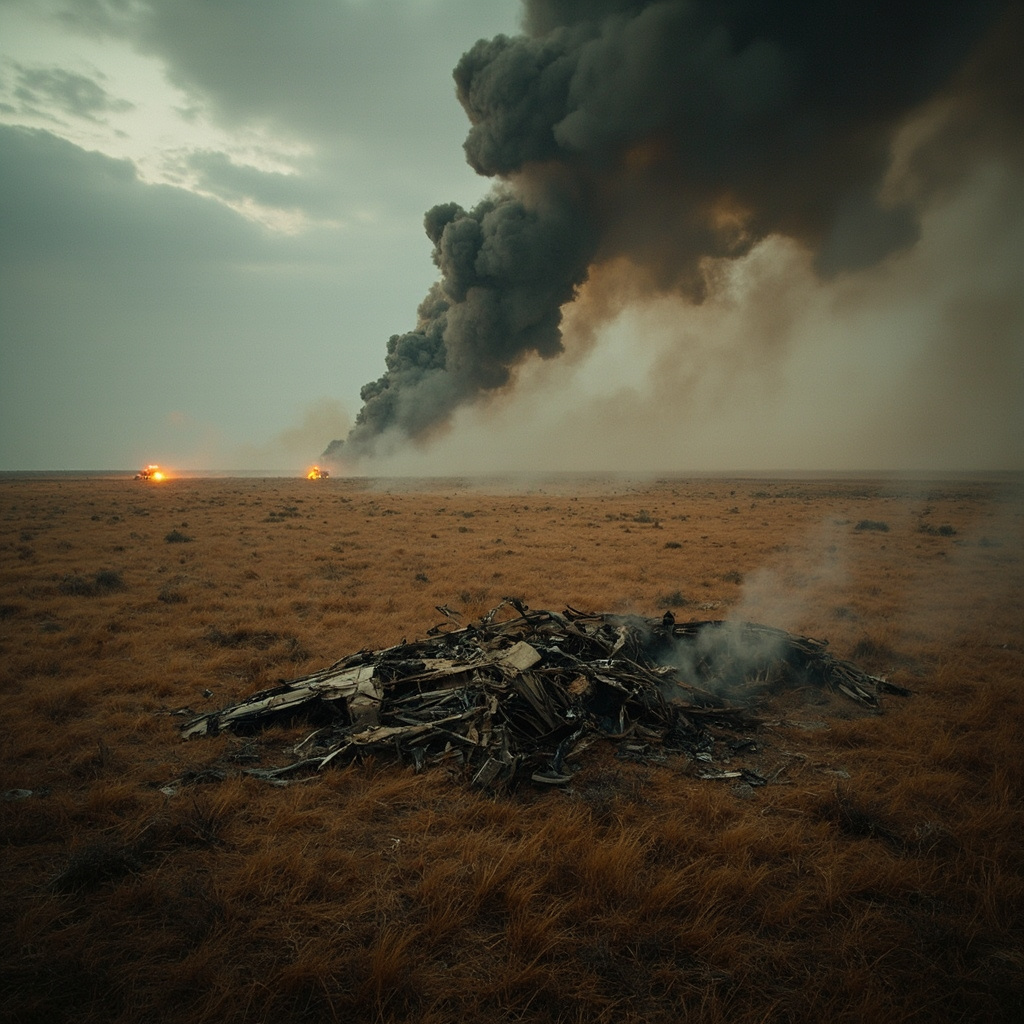
A small passenger plane carrying 14 people crashed near South Sudan’s capital Juba on April 27, 2026, killing everyone on board. The disaster has reignited urgent questions about aviation safety in a country where decades of conflict have left critical infrastructure in ruin.
The Crash and Immediate Aftermath
A Cessna aircraft departed Juba International Airport at approximately 7:15 AM GMT on Sunday before going down roughly 20 kilometers from the city, South Sudan’s Civil Aviation Authority confirmed. All 14 people aboard — 13 passengers and one pilot — were killed instantly. A United Nations rescue team dispatched to the site reported that the victims’ bodies were charred beyond recognition.
The victims included 12 South Sudanese nationals and two Kenyan citizens, according to preliminary passenger manifests reviewed by authorities. The aircraft was on a routine domestic flight path when it lost contact with air traffic control minutes after takeoff. Emergency responders reached the wreckage hours later, hindered by the remote terrain and absence of navigable roads leading to the crash site.
Weather and Suspected Causes
Initial reports from the Civil Aviation Authority point to adverse weather conditions and low visibility as the most likely cause of the crash. Juba and surrounding areas had experienced heavy morning fog and intermittent rain in the hours preceding the flight, conditions that regional aviation experts say are not uncommon during the seasonal transition period.
However, investigators have not ruled out mechanical failure. South Sudan’s aviation fleet is composed largely of aging Soviet-era and second-hand aircraft, many of which lack the maintenance records required by international aviation standards. A full investigation has been ordered by the Ministry of Transport, though the country’s limited technical capacity means that international assistance will likely be required to determine the precise cause.
“This is not an isolated incident. It is a symptom of a systemic failure to invest in aviation infrastructure since independence. Our skies remain among the most dangerous in Africa.”
— South Sudanese aviation safety analyst, speaking to local media
A Pattern of Aviation Disasters
The Juba crash is the latest in a string of fatal aviation incidents that have plagued South Sudan since it gained independence in 2011. In 2020, at least 10 people were killed when a cargo plane crashed shortly after takeoff from Juba International Airport. In 2015, a similar disaster claimed over 40 lives when a Russian-built Antonov aircraft went down in a residential area near the capital.
The International Civil Aviation Organization (ICAO) has repeatedly flagged South Sudan’s aviation oversight as critically deficient. The country lacks a comprehensive aircraft registration system, certified maintenance facilities, and adequately trained air traffic controllers. International airlines operating in the region have long maintained elevated risk assessments for South Sudanese airspace.
Infrastructure Crisis in a Post-Conflict Nation
Sunday’s crash underscores the broader infrastructure crisis facing South Sudan, the world’s youngest nation. More than a decade of civil war, ethnic violence, and economic collapse has left the country with barely functional systems for transportation, healthcare, and public safety. The aviation sector, which serves as a critical lifeline connecting remote communities in a country with almost no road network, has been particularly neglected.
Juba International Airport, the country’s primary gateway, has undergone partial renovations with international funding, but domestic airports and airstrips remain in dismal condition. Navigation aids, runway lighting, and weather monitoring equipment are either absent or non-functional at most secondary airports, forcing pilots to rely on visual flight rules even in challenging conditions.
International Response and the Road Ahead
The United Nations Mission in South Sudan (UNMISS) has offered technical assistance for the crash investigation. The Kenyan government has also dispatched a liaison team to support the identification and repatriation of its two citizens killed in the disaster. Regional aviation bodies, including the African Civil Aviation Commission, have called for an emergency review of South Sudan’s compliance with international safety standards.
For the families of the 14 victims, however, these measures come too late. As South Sudan mourns yet another tragedy born of systemic neglect, the question confronting the international community is whether the political will exists to transform the country’s aviation infrastructure from a persistent hazard into a safe and functional system — or whether more lives will be lost before meaningful change takes hold.