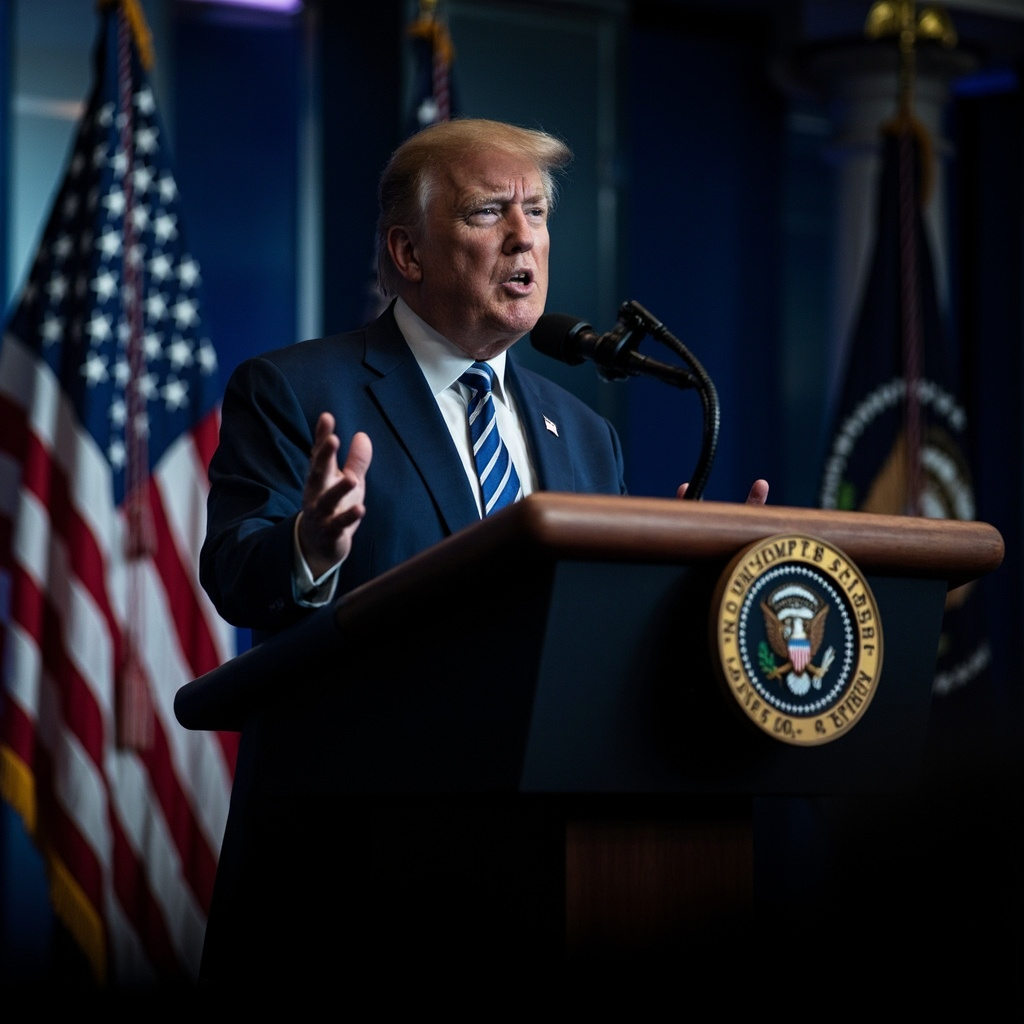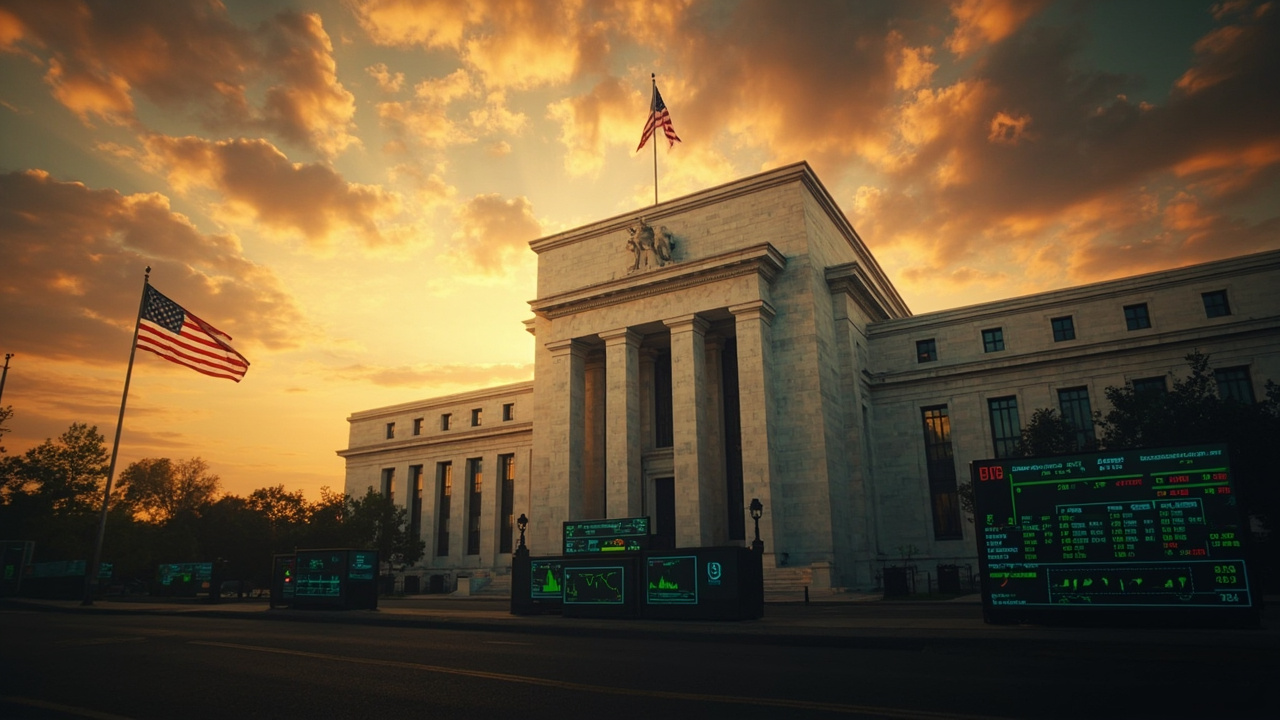
Jerome Powell and the Federal Open Market Committee face the most consequential rate decision of this cycle. Economists warn that easing too early could re-ignite inflation while waiting too long risks tipping a fragile economy into recession. Here is what is at stake.
When the Federal Reserve embarked on its most aggressive monetary tightening cycle in four decades, the stated goal was clear: bring inflation back to its two-percent target without triggering a severe economic downturn. Two years on, that mission has been only partially accomplished and the final chapter may prove the most difficult to write.
The Inflation Puzzle That Refuses to Solve
Headline inflation has retreated substantially from its 2022 peak, but the final stretch toward the Fed’s two-percent target has proven stubbornly resistant to conventional monetary medicine. Core Personal Consumption Expenditures has plateaued between 2.5 and 2.8 percent for the better part of eighteen months, defying forecasts that it would continue its steady decline.
Several structural factors explain this persistence. The energy transition is adding cost pressures across multiple sectors as capital formation in green infrastructure competes with traditional investment for limited resources. Labor market tightness, though easing, continues to generate wage pressures that feed through into services inflation. And geopolitical disruptions to supply chains particularly in critical minerals and semiconductor inputs continue to periodically spike producer prices.
The last mile of disinflation is always the hardest. We have seen this in every cycle the final basis points require either a demand shock or a significant loosening in labor market conditions that most policymakers find politically and economically uncomfortable to engineer.
Former Fed Governor Sarah Bloom Raskin, March 2026
The housing market adds another layer of complexity. While new home construction has ramped up meaningfully, the lock-in effect whereby millions of homeowners with sub-three-percent mortgages refuse to sell and re-enter the market continues to constrain housing supply. This keeps shelter inflation elevated and prevents a more rapid descent in overall price indices.
The Divided Committee and the Case for Patience
Internal Fed deliberations as revealed through meeting minutes and recent public statements suggest a committee more divided than at any point since the initial post-pandemic tightening. Hawks on the committee have consistently argued that premature easing risks repeating the mistakes of the 1970s when early rate cuts allowed inflation to become embedded in expectations, ultimately requiring a far more painful correction.
Doves counter that the lags of monetary policy are now fully materialized and that holding rates at restrictive levels for too long risks causing unnecessary economic harm particularly to small businesses dependent on credit and to the millions of Americans who came of age professionally during a high-rate environment.
The economy’s recent performance has done little to resolve this tension. GDP growth has slowed to approximately 1.8 percent annually, below the pre-pandemic trend but not consistent with recession. The labor market continues to add jobs though at a diminished pace while the unemployment rate has ticked up modestly to around 4.2 percent.
What the Bond Market Is Telling Us
The yield curve offers a sobering read on where markets believe rates are headed. Despite the Fed holding its policy rate at 4.5 percent, the two-year Treasury has stubbornly refused to fall below 4.1 percent, suggesting markets remain skeptical of aggressive near-term easing.
This skepticism is backed by historical precedent. In the 1994-1995 cycle, the Fed cut rates prematurely and was forced to reverse course within months. In the 2018-2019 episode, the Fed pivoted too quickly and found itself with limited ammunition when COVID struck. Each of these experiences has hardened the institutional instinct to wait for sustained unambiguous evidence before acting.
The cost of waiting is visible but contained. The cost of acting prematurely is invisible until it is too late to correct and that asymmetry should inform every rate decision in this environment.
Jerome Powell, Federal Reserve Chairman, February 2026
Credit markets reinforce this cautious picture. Corporate spreads have widened meaningfully since late 2025 reflecting lender nervousness about the durability of corporate earnings. Leveraged loan issuance has slowed and several highly anticipated buyouts have been shelved, a sign that financial conditions are tightening even without formal Fed action.
Washington’s Shadow Over Emerging Markets
Because the dollar remains the world’s primary reserve currency, Fed policy decisions carry enormous weight across the global financial system. Emerging market central banks are watching Washington with particular intensity. A prolonged U.S. rate pause forces their hands to maintain restrictive conditions as well, constraining domestic growth in economies that can least afford it.
For heavily indebted nations from Egypt to Argentina to Sri Lanka, the extended period of high U.S. rates has made dollar-denominated debt service increasingly onerous. The strong dollar also reduces the real value of commodity exports from developing nations, creating a vicious cycle of fiscal stress and currency depreciation.
Three Scenarios for the Rest of 2026
Economists and market strategists have largely converged on three possible trajectories for Fed policy through the end of the year.
The base case, favored by roughly 55 percent of forecasters, envisions the Fed holding at 4.5 percent through the second quarter before initiating a gradual easing cycle. In this scenario, inflation continues its slow grind lower, reaching 2.3 percent by year-end, and the economy achieves a modest soft landing with growth stabilizing near 2.0 percent.
The optimistic scenario, assigned a 25 percent probability by the consensus, holds that a favorable combination of easing supply constraints, moderating labor markets, and stable energy prices allows the Fed to cut rates more aggressively, bringing the federal funds rate to 3.75 percent by December 2026. Equity markets would likely respond positively.
The pessimistic scenario, the 20 percent tail risk, involves inflation re-accelerating due to an external shock such as a major geopolitical event disrupting energy markets. In this case, the Fed would be forced to hike rates further, risking a recession that most policymakers have thus far managed to avoid.
What seems certain is that the next twelve months will define the Fed’s institutional legacy for a generation. Powell and his colleagues are navigating without a reliable map. The models that worked in the pre-pandemic era have been rendered unreliable by structural shifts in labor markets, global supply chains, and the relationship between employment and inflation. For now, patience remains the order of the day. Whether that patience proves prescient or costly will be answered by data that has not yet been published.
James Wright is the Economy Correspondent for Media Hook, covering markets, monetary policy, and the forces shaping the American economy.