communities to track where these systems are operating and to identify patterns of harm. Whistleblower protections for employees who report safety concerns would create a crucial accountability mechanism inside labs.
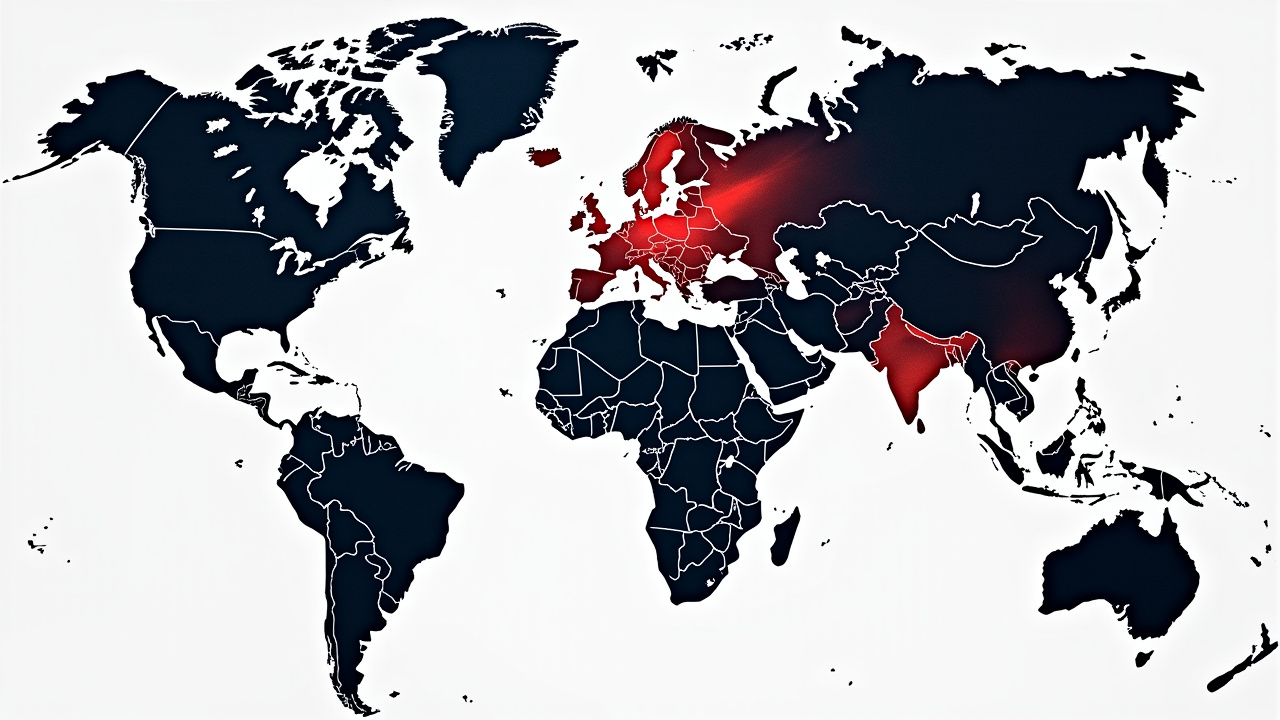
Internationally, the challenge is even more daunting. AI development is a global phenomenon, with leading labs in the United States, China, the United Kingdom, and Europe all pursuing similar capabilities simultaneously. No national regulatory framework can effectively govern technology that will be developed, deployed, and accessed across borders at the same time. Meaningful AI governance requires international coordination on minimum safety standards, disclosure requirements, and prohibitions against the most dangerous applications — analogous to the regimes governing nuclear, chemical, and biological weapons. That comparison is not hyperbole. It is a description of the stakes.
The Democratic Imperative
The deepest argument for AI governance is not consequentialist. It is democratic. The decisions made about how artificial intelligence is developed and deployed will shape the basic conditions of human life for generations. These are not technical decisions that can be safely delegated to technical experts. They are political decisions — decisions about power, accountability, and the distribution of benefits and harms across society.
Democratic governance requires that those affected by decisions have some meaningful opportunity to influence them. That is not happening in AI. The people making the most consequential decisions about AI are a small, highly educated, overwhelmingly male and overwhelmingly wealthy cohort working for a handful of companies concentrated in a handful of cities. They are not representative of the populations their systems affect. And the speed at which the technology is advancing means that the window in which democratic influence is possible may be closing.
There are those who argue that democratic governance is simply too slow for this moment — that the technology moves too fast, that the expertise required is too specialized, that the costs of getting it wrong are too high to allow the messy, contentious process of democratic deliberation to run its course. But this argument proves too much. Applied consistently, it would justify excluding democratic oversight from any domain where powerful actors prefer not to have it. It would hand permanent exemption from democratic accountability to whoever is most technically capable at any given moment. That is not a recipe for good governance. It is a recipe for technocracy — and ultimately for the capture of technology by the interests most skilled at capturing it.
The question of who writes the rules for AI is, in the end, a question about who gets to decide what kind of future we build. That question belongs to all of us — not because we are all technical experts, but because we are all the ones who will live in that future. The technology companies and their lobbyists have their lawyers, their lobbyists, and their campaign contributions. What the rest of us have is democracy — imperfect, slow, and frustrating, but the only mechanism we have for collectively deciding how power should be exercised over human lives. We should be using it.
Anna Schmidt is a Senior Opinion Writer for Media Hook, offering sharp commentary on politics, culture, and the ideas that define our times.
Mandatory impact assessments for high-stakes AI deployments — analogous to environmental impact assessments — would require developers to demonstrate, before deployment, that their systems have been tested for relevant risks and that mitigation measures are in place. Algorithmic auditing by independent third parties with access to model weights and training data would allow systematic evaluation of how AI systems behave across different demographic groups and use cases. No such requirement exists in any major jurisdiction today. Researchers seeking to evaluate AI systems for bias or failure modes must do so from the outside, without access to the information necessary to do the work properly.
A public registry of high-risk AI deployments would allow researchers, journalists, and affected communities to track where these systems are operating and to identify patterns of harm. Whistleblower protections for employees who report safety concerns would create a crucial accountability mechanism inside labs. Several prominent AI researchers have already left their positions citing safety concerns, and in at least one case, faced legal threats for speaking publicly about what they had observed. That is not a healthy research environment. It is one in which the incentives for internal criticism have been systematically suppressed.
Internationally, the challenge is even more daunting. AI development is a global phenomenon, with leading labs in the United States, China, the United Kingdom, and Europe all pursuing similar capabilities simultaneously. No national regulatory framework can effectively govern technology that will be developed, deployed, and accessed across borders at the same time. Meaningful AI governance requires international coordination on minimum safety standards, disclosure requirements, and prohibitions against the most dangerous applications — analogous to the regimes governing nuclear, chemical, and biological weapons. That comparison is not hyperbole. It is a description of the stakes.
The Democratic Imperative
The deepest argument for AI governance is not consequentialist. It is democratic. The decisions made about how artificial intelligence is developed and deployed will shape the basic conditions of human life for generations. These are not technical decisions that can be safely delegated to technical experts. They are political decisions — decisions about power, accountability, and the distribution of benefits and harms across society.
Democratic governance requires that those affected by decisions have some meaningful opportunity to influence them. That is not happening in AI. The people making the most consequential decisions about AI are a small, highly educated, overwhelmingly male and overwhelmingly wealthy cohort working for a handful of companies concentrated in a handful of cities. They are not representative of the populations their systems affect. And the speed at which the technology is advancing means that the window in which democratic influence is possible may be closing.
There are those who argue that democratic governance is simply too slow for this moment — that the technology moves too fast, that the expertise required is too specialized, that the costs of getting it wrong are too high to allow the messy, contentious process of democratic deliberation to run its course. But this argument proves too much. Applied consistently, it would justify excluding democratic oversight from any domain where powerful actors prefer not to have it. It would hand permanent exemption from democratic accountability to whoever is most technically capable at any given moment. That is not a recipe for good governance. It is a recipe for technocracy — and ultimately for the capture of technology by the interests most skilled at capturing it.
The question of who writes the rules for AI is, in the end, a question about who gets to decide what kind of future we build. That question belongs to all of us — not because we are all technical experts, but because we are all the ones who will live in that future. The technology companies and their lobbyists have their lawyers, their lobbyists, and their campaign contributions. What the rest of us have is democracy — imperfect, slow, and frustrating, but the only mechanism we have for collectively deciding how power should be exercised over human lives. We should be using it.
Anna Schmidt is a Senior Opinion Writer for Media Hook, offering sharp commentary on politics, culture, and the ideas that define our times.