Iran Seizes Ships in Strait of Hormuz as U.S.-Iran Ceasefire Faces Critical Test
The Strait of Hormuz — through which roughly 20% of the world’s oil passes — has once again become the flashpoint of escalating tensions between the United States and Iran, just days after President Trump extended the fragile ceasefire agreement at Pakistan’s request.
Escalating Tensions in the Gulf
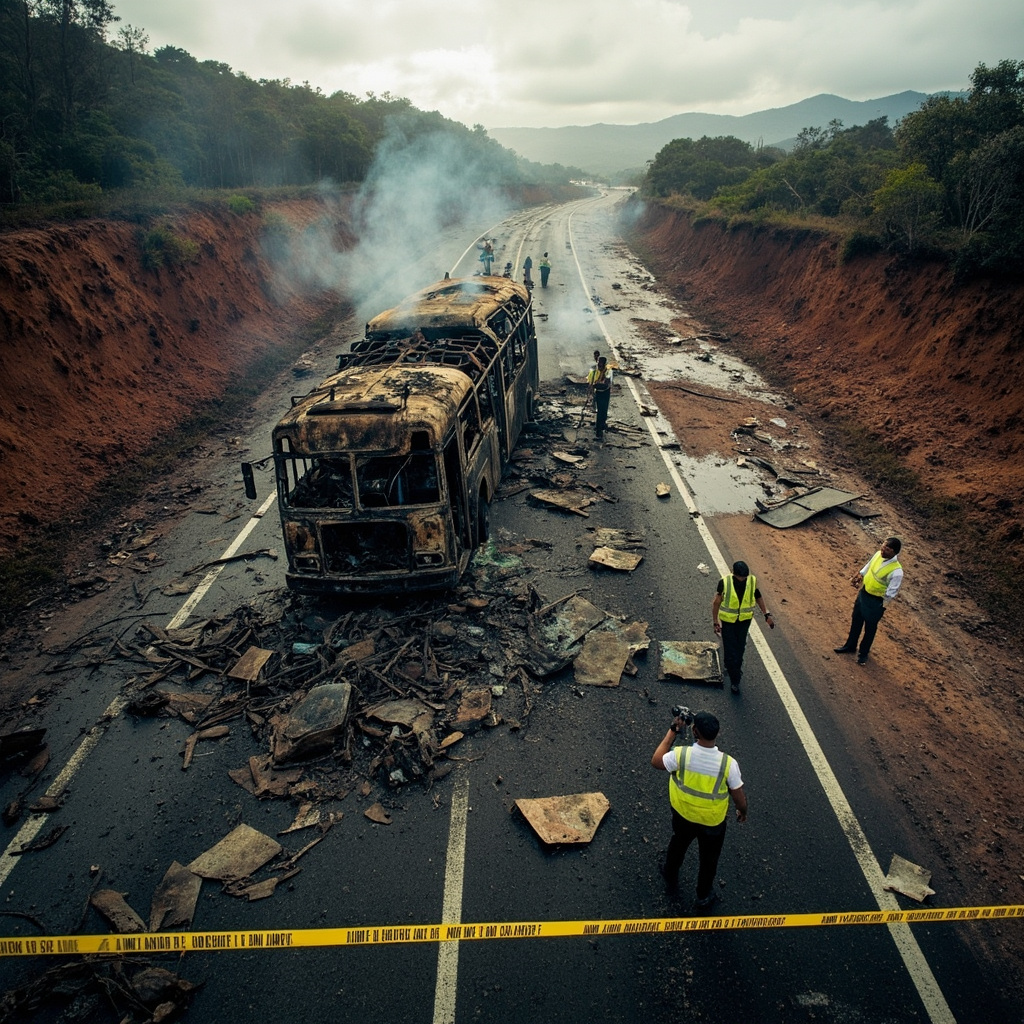
Iranian forces seized two commercial vessels in the Strait of Hormuz on Tuesday, hours after President Trump announced an indefinite extension of the U.S.-Iran ceasefire. The seizures mark a significant escalation in the already volatile situation, with Tehran vowing a “swift response” to what it claims was American aggression.
The U.S. Navy simultaneously seized an Iranian-flagged cargo ship near the strategic waterway, prompting immediate retaliation from Tehran. The twin actions have sent oil prices surging and raised fears of a broader conflict disrupting global energy markets.
“This is a direct response to American aggression. The blockade must be lifted immediately, or we will take further action to protect our sovereignty.” — Iranian Foreign Ministry Statement
The U.S. Fifth Fleet confirmed the seizure of the Iranian vessel, describing it as a “lawful interdiction” under international maritime law. Pentagon officials stated the cargo ship was carrying materials that violated existing sanctions, though they declined to provide specifics.
The Strategic Importance of the Strait
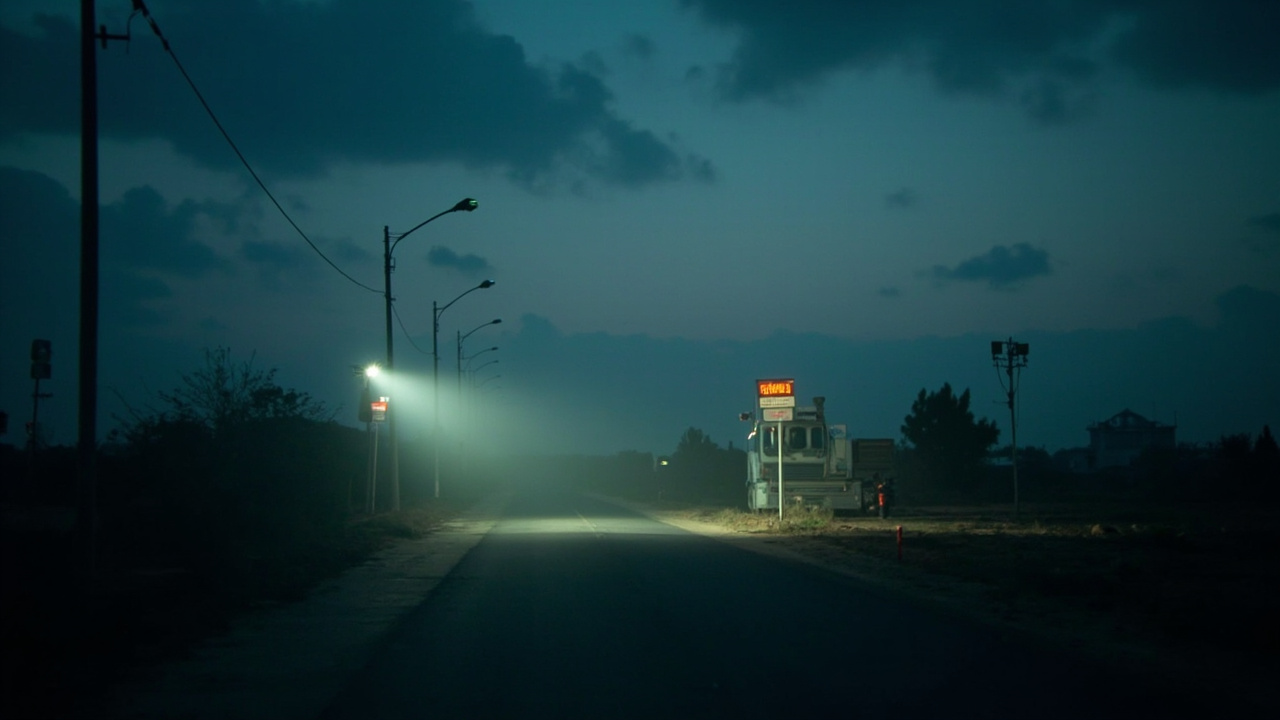
The Strait of Hormuz is one of the world’s most critical chokepoints for global oil shipments. Approximately 20% of the world’s crude oil and 20% of global liquefied natural gas pass through its narrow waters daily. Any disruption to shipping in this corridor sends shockwaves through energy markets worldwide.
Iran has historically used the strait as leverage in diplomatic negotiations, frequently threatening to close it during periods of heightened tension. Experts warn that a full closure could send oil prices above $150 per barrel and trigger a global economic recession.
“The strait is Iran’s greatest strategic asset and its most potent threat. What we’re seeing now is a chess match with extremely high stakes.” — Dr. Fatima Al-Rashid, Middle East Security Analyst
Trump’s Ceasefire Extension Under Scrutiny
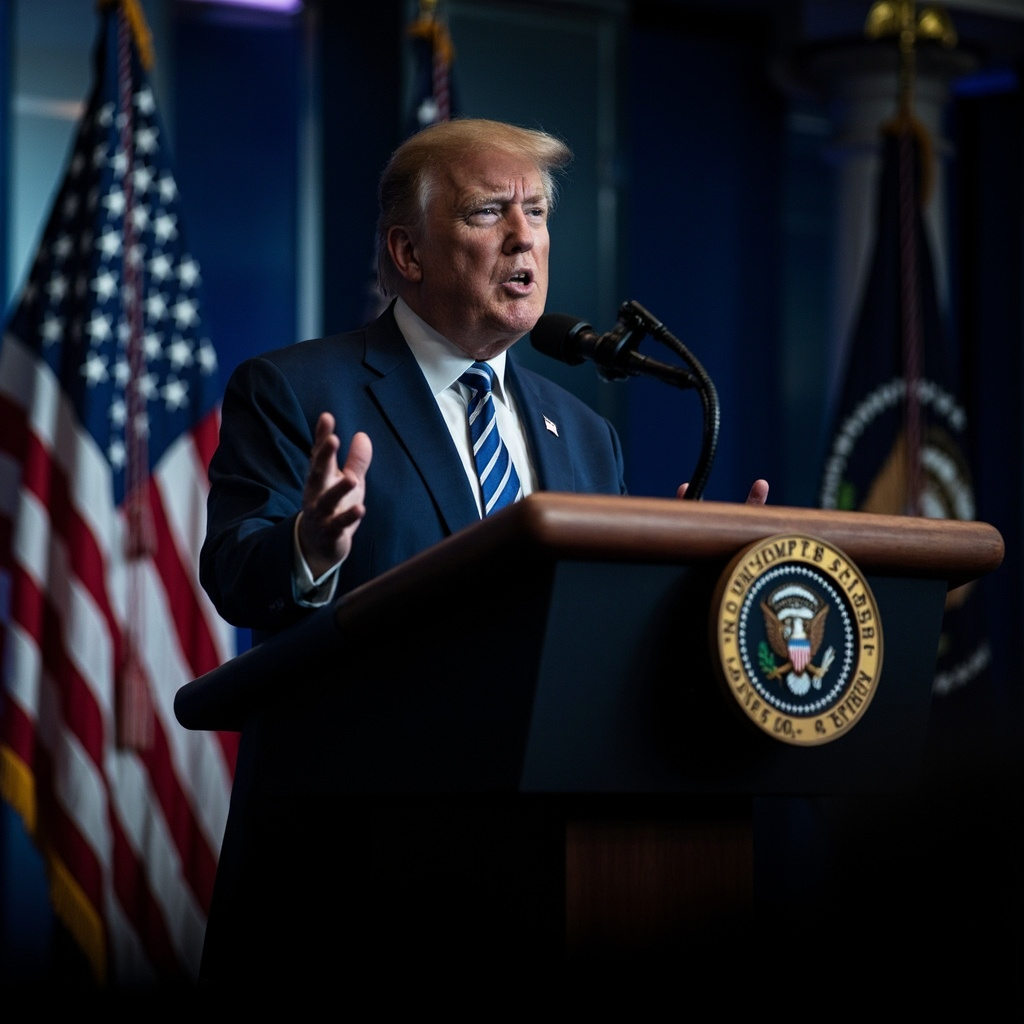
President Trump’s decision to extend the ceasefire — initially set to expire this week — has drawn criticism from both sides of the political spectrum. Republicans argue the extension signals weakness to Tehran, while Democrats question the wisdom of maintaining a blockade that Iran views as provocative.
The extension came at Pakistan’s request, as Islamabad attempts to broker lasting peace negotiations between the two powers. Pakistani officials have been shuttling between Washington and Tehran, pushing for a comprehensive agreement that would end the war and normalize relations.
However, Iran has rejected the current terms, demanding the complete lifting of sanctions and the removal of U.S. military assets from the region as preconditions for any permanent deal. The administration has publicly dismissed these demands as “non-starters.”
Military Buildup Continues
Meanwhile, thousands more U.S. forces are heading for the Middle East, with carrier strike groups and additional fighter squadrons arriving in the Gulf region. The Pentagon has described the buildup as “defensive in nature,” though military analysts note the significant offensive capabilities being assembled.
Iran’s “mosquito fleet” — dozens of small, fast attack vessels — remains a persistent threat to commercial shipping in the region. Unlike traditional naval forces, these boats can swarm in large numbers, making them difficult to track and engage. The U.S. military has been developing new tactics to counter this asymmetric threat.
As tensions continue to mount, global markets are closely watching the situation. Oil prices have already jumped 8% since the seizure began, with analysts warning that further escalation could push prices to levels not seen since the 1970s energy crisis.
Negotiations remain ongoing through Pakistani intermediaries, though both sides appear entrenched in their positions. The coming days will be critical in determining whether the ceasefire holds or whether the strait becomes the site of a broader conflict.