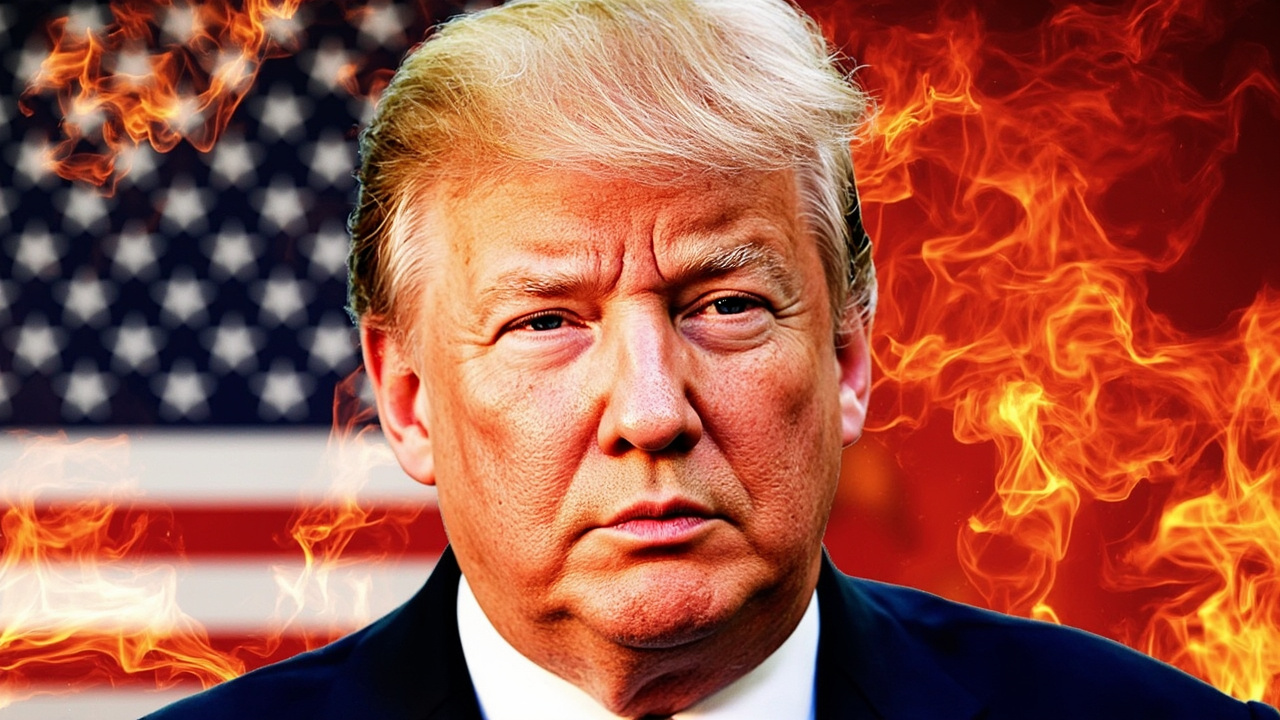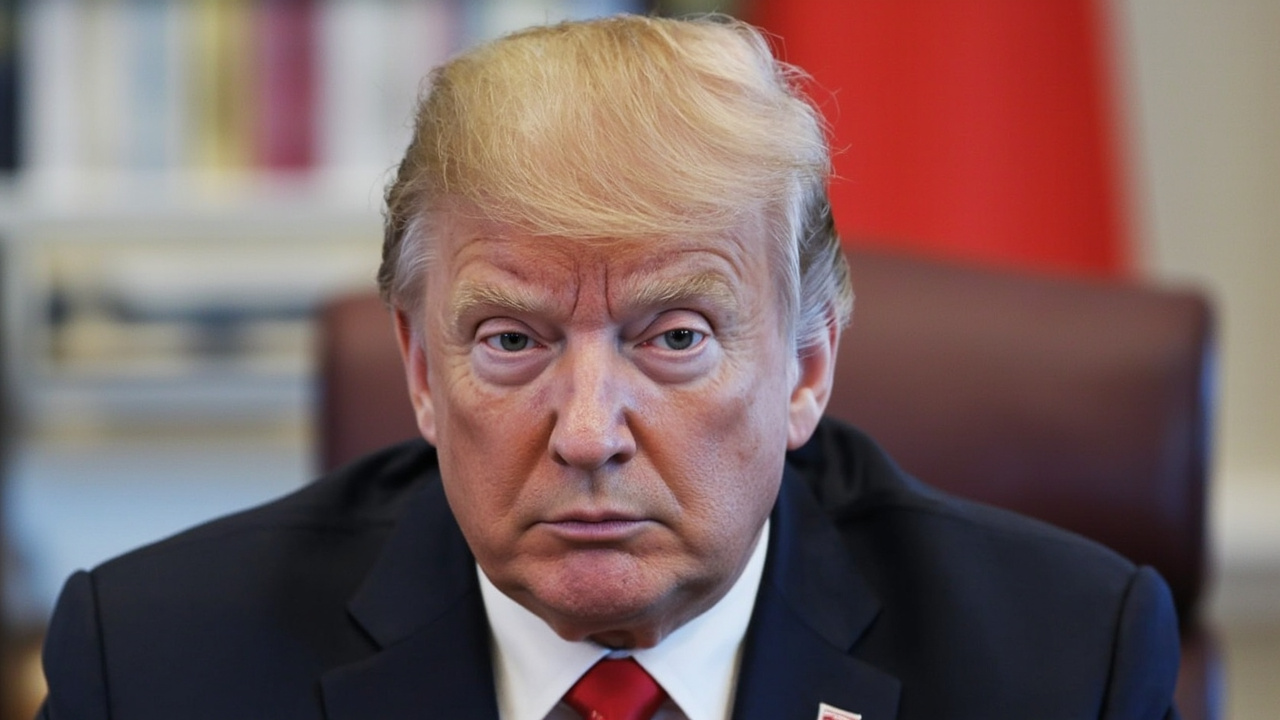
When the Trump administration escalated tariffs on Chinese goods to 145 percent in April 2025, economists warned of a supply shock. When Beijing responded with matching levies on American agriculture, the shock became a structural rift. Eighteen months later, that rift has not healed. It has deepened.
The trade war that began as a negotiating tactic has become the defining economic fact of 2026. Global supply chains have bifurcated. American exporters have lost access to the world second-largest economy. Chinese manufacturers have pivoted to Europe, Southeast Asia, and Latin America. And the institutions designed to manage this kind of conflict the World Trade Organization, bilateral trade deals, multilateral forums are watching from the sidelines, largely powerless.
The Tariff Escalation Timeline
The 2025 tariff escalations followed a familiar and damaging pattern. The United States imposed tariffs in stages, each time giving markets reason to expect a deal that never came. China retaliated in kind, targeting agricultural states in a deliberate attempt to apply political pressure. The result was a tit-for-tat that destroyed the agricultural export market that American farmers had spent decades building in China.
By late 2025, the average effective tariff rate on US-China bilateral trade had reached levels not seen since the 1930s Smoot-Hawley era. The global economy was far more integrated than in the 1930s. The damage was not limited to the two directly warring parties. It rippled through third-country suppliers, shipping networks, and the multinational companies that had organized their global operations around the assumption of open markets.
The tariff war is not a policy dispute. It is a structural rupture. The question is no longer whether we can return to the pre-2025 trading order. The question is what replaces it.
International Monetary Fund Managing Director, April 2026
The human cost has been substantial and disproportionately concentrated. American soybean farmers lost approximately $12 billion in export revenue in 2025. Pork exporters faced Chinese tariffs exceeding 200 percent ad valorem. The Trump administrations promises of compensating aid programs have only partially materialized, leaving a political and economic wound in rural America that will not heal quickly.
Supply Chain Bifurcation
The most significant long-term consequence of the tariff war is not the immediate damage but the structural change it has catalyzed. Companies that spent decades optimizing supply chains through China are now actively dismantling those chains and rebuilding them elsewhere. Vietnam, Malaysia, India, and Mexico have become the beneficiaries of what corporate America euphemistically calls supply chain diversification.
The pace of change has surprised even its architects. Apple announced in early 2026 that it had completed the relocation of approximately 60 percent of its manufacturing capacity out of China. Other electronics manufacturers have followed. Consumer goods companies are consolidating around regional supply chains that are more expensive but more resilient to geopolitical disruption.
The Dollar Divergence
A subtler but equally significant consequence of the tariff war has been its effect on the dollar. American multinationals face revenue headwinds when translating foreign earnings back into dollars. Emerging market currencies have found unexpected relief as bilateral currency swap lines and IMF facilities provide liquidity buffers against the trade shock.
China has accelerated its effort to internationalize the yuan as a reserve currency alternative. The yuan now accounts for approximately 4.2 percent of global central bank reserves, up from 2.7 percent in 2024. The trajectory is in the direction that Fed and Treasury strategists have quietly described as the most significant long-term threat to dollar dominance.
The Multilateral System Under Strain
The WTO has been reduced to a bystander. The United States has blocked the appointment of new Appellate Body judges, effectively crippling the organizations dispute resolution mechanism. Appellate Body decisions are no longer enforceable. The organization that was supposed to enforce the rules has become a venue for press releases and diplomatic complaints.
The EU, caught between its largest trading partner and its security ally, has attempted to position itself as a neutral arbiter while quietly negotiating bilateral deals with both sides. Europe is winning the trade war by standing aside while the two principals exhaust each other.
What Comes Next
The most honest assessment of the tariff wars trajectory is that nobody knows. The negotiating dynamic is not a standard trade deal it is a contest over industrial policy, technology transfer, and geopolitical influence. A deal that resolved only the tariff rates would leave the structural disputes unresolved. A deal addressing those disputes would require concessions neither political system can currently make without appearing to capitulate.
In the meantime, the damage accumulates. Investment decisions that require decades of stable market access are being deferred or cancelled. Supply chains that took forty years to build are being dismantled in eighteen months. History does not easily reverse its judgments on markets once lost.
James Wright is the Economy Correspondent for Media Hook, covering markets, monetary policy, and the forces shaping the American economy.