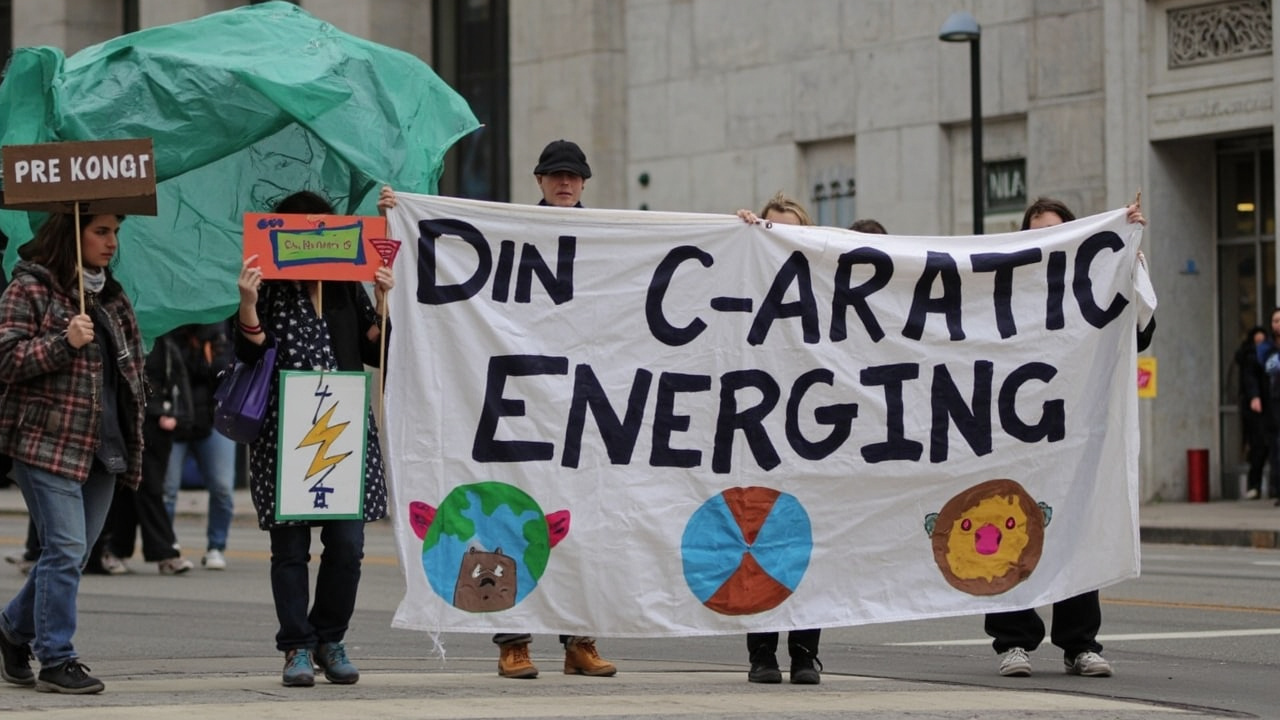
In an unprecedented emergency session that drew representatives from 195 member states, the United Nations General Assembly voted overwhelmingly to declare a global climate emergency—marking the most significant multilateral action on environmental policy in modern history.

The Emergency Session: What Happened
Convened at the request of the Pacific Island Forum nations—whose very existence faces existential threat from rising sea levels—the two-day emergency session saw unprecedented scenes of diplomatic solidarity. For the first time, major fossil fuel producers including Saudi Arabia, the United Arab Emirates, and Australia joined in sponsoring the emergency resolution.
“This is not a moment for cautious optimism,” declared UN Secretary-General Antonio Guterres in his opening address. “This is a moment for emergency action. The science is unambiguous: we have less than a decade to fundamentally transform our global energy systems or face consequences that will dwarf any economic disruption in human history.”
“We are witnessing the birth of a new era in international climate governance. The question is whether we have the political will to match our rhetoric with resources, enforcement mechanisms, and genuine sacrifice.”
Major National Commitments
The declaration annexes outline specific commitments from the world’s largest economies. The United States has pledged $2 trillion toward renewable energy infrastructure and transition programs. The European Union committed EUR1.5 trillion through its Green Deal 2.0 framework. China announced an accelerated timeline for carbon neutrality, moving its target from 2060 to 2050.
India, often a holdout on binding environmental commitments, surprised observers by offering $500 billion for clean energy development across the Global South. This represents a significant shift in the traditional North-South divide that has long characterized climate negotiations.
Financial Implications and Enforcement
Perhaps the most groundbreaking aspect of the declaration is its call for $5 trillion annually in climate finance—tripling current levels of investment. This figure represents the consensus estimate from climate economists of what is needed annually through 2050 to keep global warming below 1.5 degrees Celsius.
The creation of a UN Climate Enforcement Commission with authority to impose tariffs on non-compliant nations marks a fundamental shift in international environmental law. For the first time, climate commitments would carry genuine economic consequences for violations.
Looking Ahead
As delegates departed New York, the hard work of implementation begins. History will judge whether this declaration represents a genuine turning point or another in a long line of ambitious promises that failed to match reality. The next twelve months will be critical—nations must now translate vote tallies into legislation, and legislation into changed behavior on the ground.
What is certain is that the window for meaningful climate action is narrowing rapidly. Whether this declaration provides the catalyst for transformation or becomes a monument to missed opportunity remains to be seen. The answer will be written not in assembly halls, but in power plants, forests, and coastlines across the world.