Trump and Xi Wrap Beijing Summit With Warm Words but Few Concrete Pledges
BEIJING — President Donald Trump departed China on Friday, May 15, following two days of intensive bilateral meetings with Chinese President Xi Jinping, wrapping a summit that showcased a freshly stabilized personal relationship between the longtime rivals while delivering few immediate tangible results on the trade, technology, and geopolitical disputes that have defined U.S.-China relations for years. Trump, who traveled to Beijing after a stormy round of negotiations over Iran’s nuclear program and a weeks-long standoff in the Strait of Hormuz, described the talks with Xi as productive and declared the bilateral relationship “a very strong one.”
Warm Diplomacy, Thin Deliverables
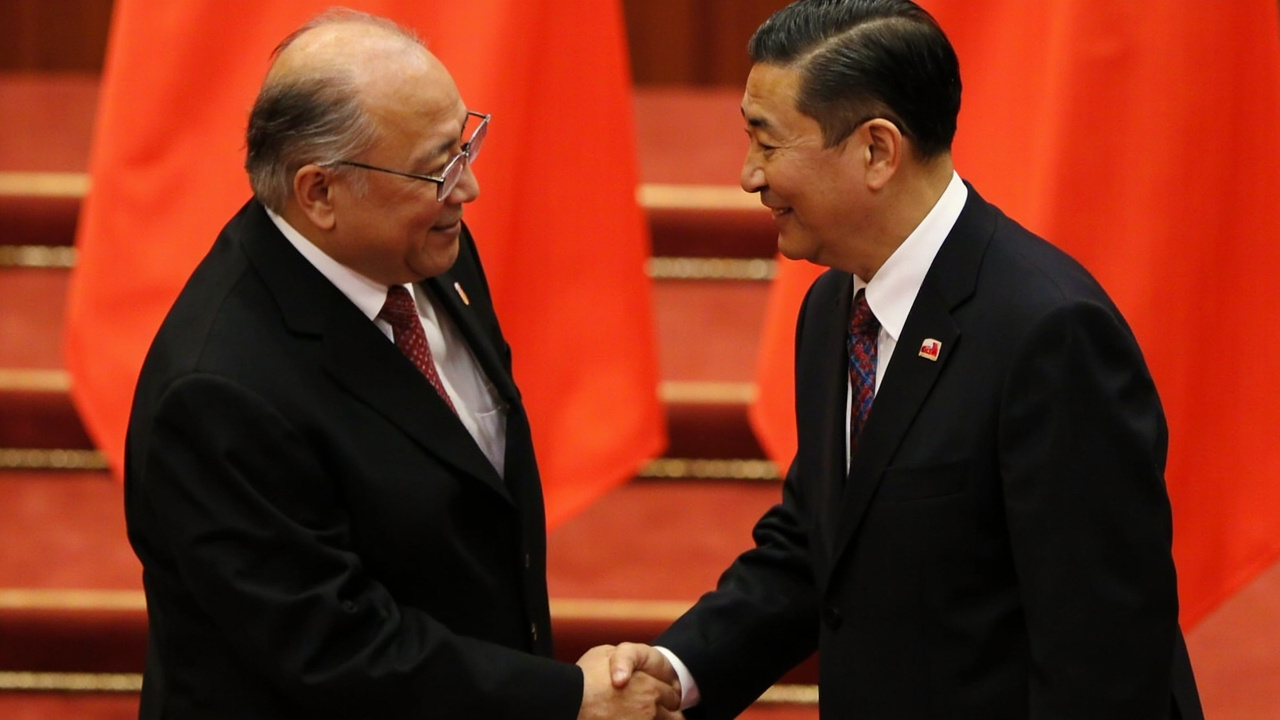
Over the course of the summit, the two leaders held extended bilateral sessions, toured the Zhongnanhai gardens together, and exchanged gifts in a carefully orchestrated display of diplomatic goodwill — the first meeting between a U.S. president and Xi in Beijing in nearly a decade. Photographs showed the two leaders smiling alongside one another, a stark contrast to the tariff war and geopolitical tensions that have defined their relationship since Trump’s return to the White House in January 2025.
At a joint appearance, Trump told reporters that “we’ve settled a lot of different problems that other people wouldn’t have been able to settle,” without offering specifics. Xi, speaking through a translator, described U.S.-China relations as having “important implications for the future of the world.” Neither leader announced a binding trade agreement, a timeline for reducing the sweeping tariffs each country has imposed on the other’s goods, or a framework for managing the technology competition that has defined bilateral ties in recent years.
“We’ve settled a lot of different problems that other people wouldn’t have been able to settle, and the relationship is a very strong one.”
— President Donald Trump, Beijing, May 15, 2026
The Iran Shadow Over the Summit
The Beijing summit took place against the backdrop of the 10-week-old U.S.-Iran conflict and the ongoing disruption of the Strait of Hormuz, the world’s most critical oil transit chokepoint. Trump had just concluded a fractious round of negotiations with Iran that ended without a peace agreement, with Tehran rejecting American demands that it dismantle its nuclear program and Iran vowing it would “never bow” before what it called U.S. “enemies.” Reports from the sidelines of the Beijing meeting suggested the Iran standoff featured prominently in Trump’s discussions with Xi.
China, which has deep economic ties to both Washington and Tehran, has sought to position itself as a potential mediator in the Hormuz crisis while simultaneously advancing its own strategic interests in the Middle East. Xi did not publicly offer a mediation framework, but administration officials said China’s role in facilitating any future Iran deal was discussed in detail. The unresolved Hormuz situation continues to push global oil markets to price in a prolonged supply shock, with energy analysts warning that the stalemate is reshaping refining capacity and shipping routes across the Indo-Pacific.
“We will never bow our heads before the enemy, and if talk of dialogue or negotiation arises, it does not mean surrender or retreat.”
— Iranian President Masoud Pezeshkian, X (Persian), May 10, 2026
Trade Truce Remains Elusive
On trade, the most economically consequential dimension of the U.S.-China relationship, the summit produced no breakthrough. The two sides have spent much of 2026 trading sweeping tariff measures that have disrupted global supply chains, driven up costs for American importers and Chinese exporters alike, and contributed to a measurable slowdown in bilateral trade. Trump administration officials had suggested before the trip that a limited trade deal — potentially covering agricultural exports and certain manufactured goods — was within reach, but no such agreement was announced.
Sources familiar with the negotiations said the two sides agreed to resume formal trade talks at the technical level in the coming weeks, with a target of reaching a preliminary framework before the end of the third quarter. U.S. Treasury Secretary Scott Bessent, who traveled with the president, described the discussions as “candid and constructive,” language that officials have used previously to characterize talks that produced no immediate agreements. Business groups on both sides expressed cautious optimism that the stabilization of the political relationship would create space for eventual economic deals, while cautioning that the structural barriers — including China’s state-directed industrial policy and U.S. demands for enforceable intellectual property protections — remain formidable.
A Relationship Managed, Not Resolved
Analysts who track U.S.-China relations cautioned against reading the warm atmospherics in Beijing as a sign of fundamental progress. The two leaders, who spoke by phone multiple times in the weeks before the summit, appear to have agreed on a strategy of managed competition — keeping the relationship stable enough to avoid catastrophic miscalculation while preserving the ability to compete vigorously in the economic and strategic spheres. That calculus has been complicated by the Iran conflict, where China and the United States hold sharply divergent positions, and by China’s ongoing territorial disputes in the South China Sea and its pressure campaign against Taiwan.
Trump invited Xi to visit the United States in September for a follow-on summit, an invitation that Xi accepted in principle. Administration officials said the September meeting, if it proceeds, would be the venue for more substantive negotiations on trade, technology, and regional security. Until then, the two sides will rely on working-level channels to keep the relationship on an even keel — a posture that both governments appear to have concluded is the most they can realistically achieve given the deep structural differences separating them.
Trump left Beijing without a joint statement or a formal communique, reflecting the sensitivity of the issues at stake and the difficulty of bridging differences that extend well beyond diplomatic style. The president is expected to return to Washington on Saturday, May 16, where he faces an unrelated domestic legislative agenda and ongoing negotiations over the federal budget. His administration is also preparing for a potential escalation of the Hormuz standoff, which showed no signs of de-escalation as of Friday.
Published: May 17, 2026 | Category: World | Image: Bloomberg/Pool via Getty Images
