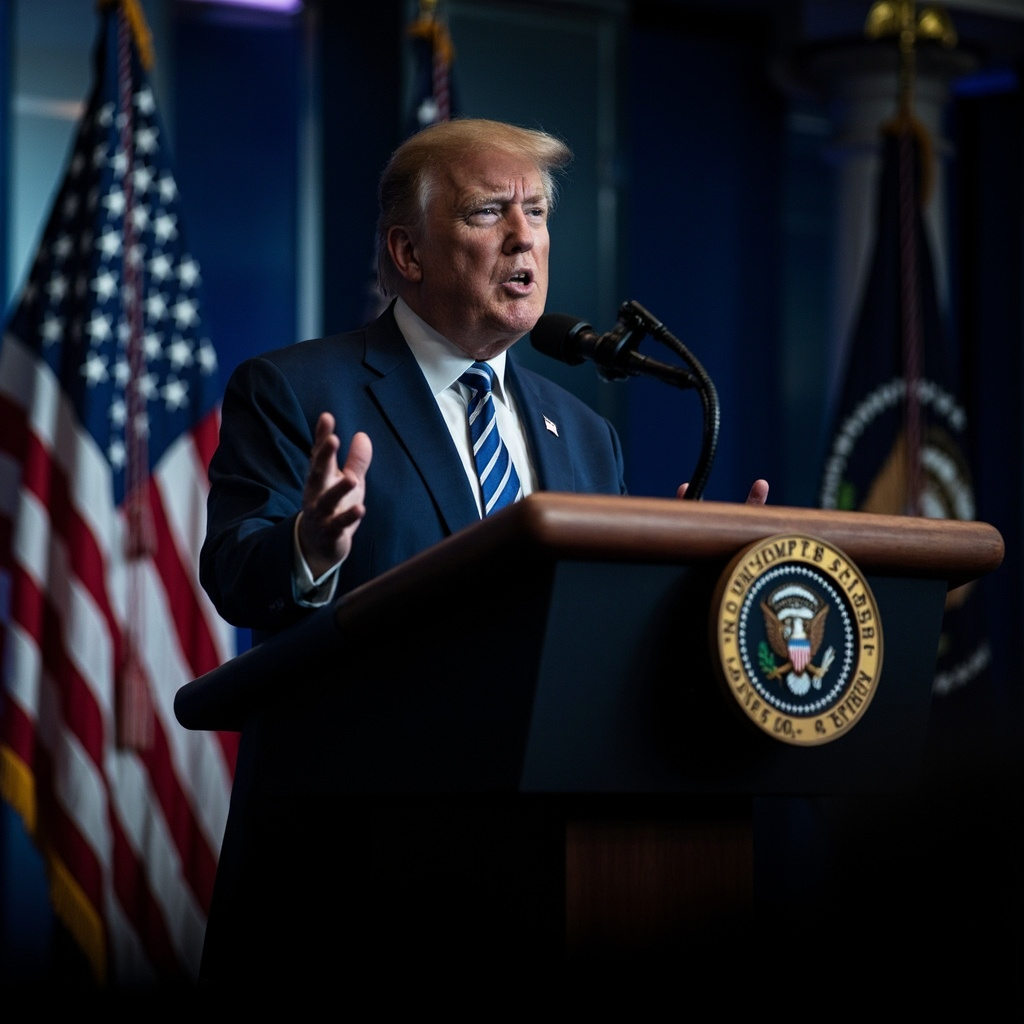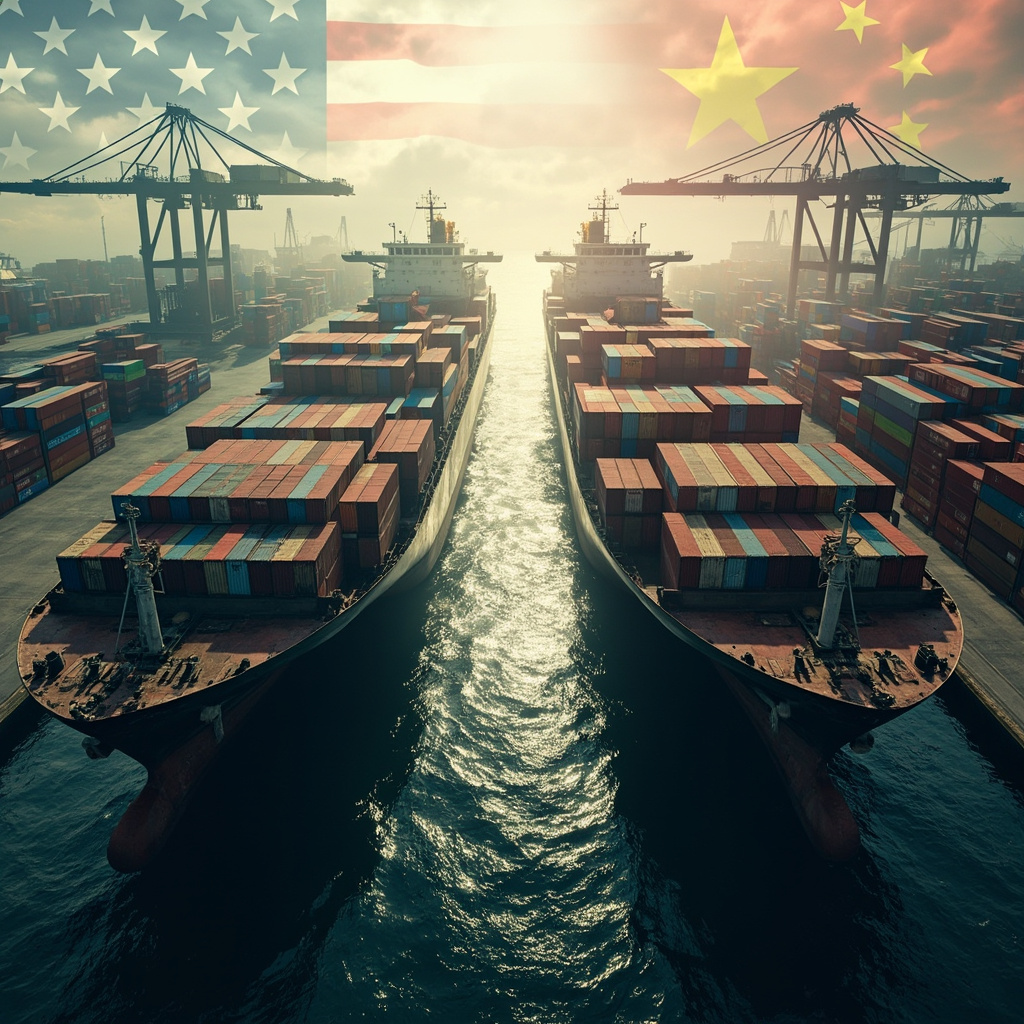
The latest round of United States tariffs on Chinese goods has sent shockwaves through global markets, triggering retaliatory measures from Beijing and raising the spectre of a full-scale trade war that economists warn could shave percentage points off global growth.
Washington’s decision to impose sweeping tariffs on semiconductor equipment, electric vehicles, and a range of consumer goods marked the most significant escalation in the US-China trade relationship since the bruising dispute of 2018-2019. Within hours, Beijing announced countermeasures targeting American agriculture, energy exports, and technology companies operating in China.
The Semiconductor Battleground
At the heart of the dispute lies the semiconductor industry, which has become the defining arena of twenty-first century economic competition. The United States has moved aggressively to restrict Chinese access to advanced chipmaking equipment, expanding restrictions that already covered extreme ultraviolet lithography machines.
China, which has invested hundreds of billions of dollars in building a domestic semiconductor industry, has responded with its own export controls on rare earth elements and chip manufacturing materials. The tit-for-tat dynamic has alarmed industry executives who warn that the decoupling of the world’s two largest economies in critical technology sectors could fragment global supply chains.
“The era of globalized chip production is ending. What replaces it will be less efficient, more expensive, and far more prone to geopolitical disruption.”
— Dr. Sarah Lin, Semiconductor Industry Association, March 2026
Agricultural Trade: The Pressure Point
American farmers have found themselves in the familiar and unwelcome position of being ground zero for trade retaliation. China announced targeted tariffs on soybeans, corn, and pork — agricultural commodities that have historically served as diplomatic leverage.
Brazil and Argentina have moved quickly to fill the gap in Chinese agricultural markets left by American exporters, signing expanded trade agreements that could lock in market share losses for US farmers for years to come.
Federal Reserve Caught in the Crossfire
The Federal Reserve faces a particularly challenging environment as the trade war re-escalates. On one hand, the inflationary impulse from tariffs adds pressure to an already elevated price environment. On the other, the growth-dampening effects of reduced trade volumes and market uncertainty create deflationary risks.
Chairman Jerome Powell has been measured in public statements, emphasizing the Fed’s commitment to price stability while acknowledging the difficulty of calibrating policy in a world where trade policy can shift with little warning.
The Third-Country Dimension
One of the most consequential dimensions of the trade conflict is its effect on third countries. Vietnam, Malaysia, Mexico, and India have all experienced surges in investment as companies seek to reroute supply chains away from both the United States and China.
Many companies find themselves in the uncomfortable position of paying the elevated tariffs while simultaneously investing in supply chain restructuring — a dual cost that is compressing margins and forcing difficult strategic choices.
The Stakes for the Global Economy
The International Monetary Fund has warned that a sustained escalation of US-China trade tensions could subtract between 0.5 and 1.5 percentage points from global growth over the next two years, depending on the depth and duration of the dispute.
The broader question is whether the current confrontation represents a tactical phase in an ongoing negotiation or a fundamental restructuring of the US-China economic relationship. Structural factors — including national security considerations, technological competition, and domestic political pressures — make a durable compromise increasingly elusive.
What is clear is that the rules-based international trading system, already strained by years of accumulated tensions, is facing one of its most serious challenges yet. Rebuilding it on new foundations will require vision, flexibility, and political will that is in short supply in the corridors of power on both sides of the Pacific.
James Wright is the Economy Correspondent for Media Hook, covering markets, monetary policy, and the forces shaping the American economy.