Iran’s Islamic Revolutionary Guard Corps seized a Hong Kong-flagged oil tanker in the Gulf of Oman on Thursday, according to statements from Tehran and shipping industry officials, marking a significant escalation in the ongoing confrontation between Iran and the United States that has sent shockwaves through global energy markets.
The seizure of the MV Pacific Destiny occurred just hours after US naval forces disabled two Iranian-flagged oil tankers that American officials said were attempting to violate a tenuous blockade of the Strait of Hormuz — the world’s most critical chokepoint for oil shipments. The back-and-forth confrontation, detailed in statements from both governments, left at least one vessel ablaze and triggered emergency talks among Western allies as tensions threaten to unravel a fragile ceasefire that has held in fits and starts since April 8.
What Happened
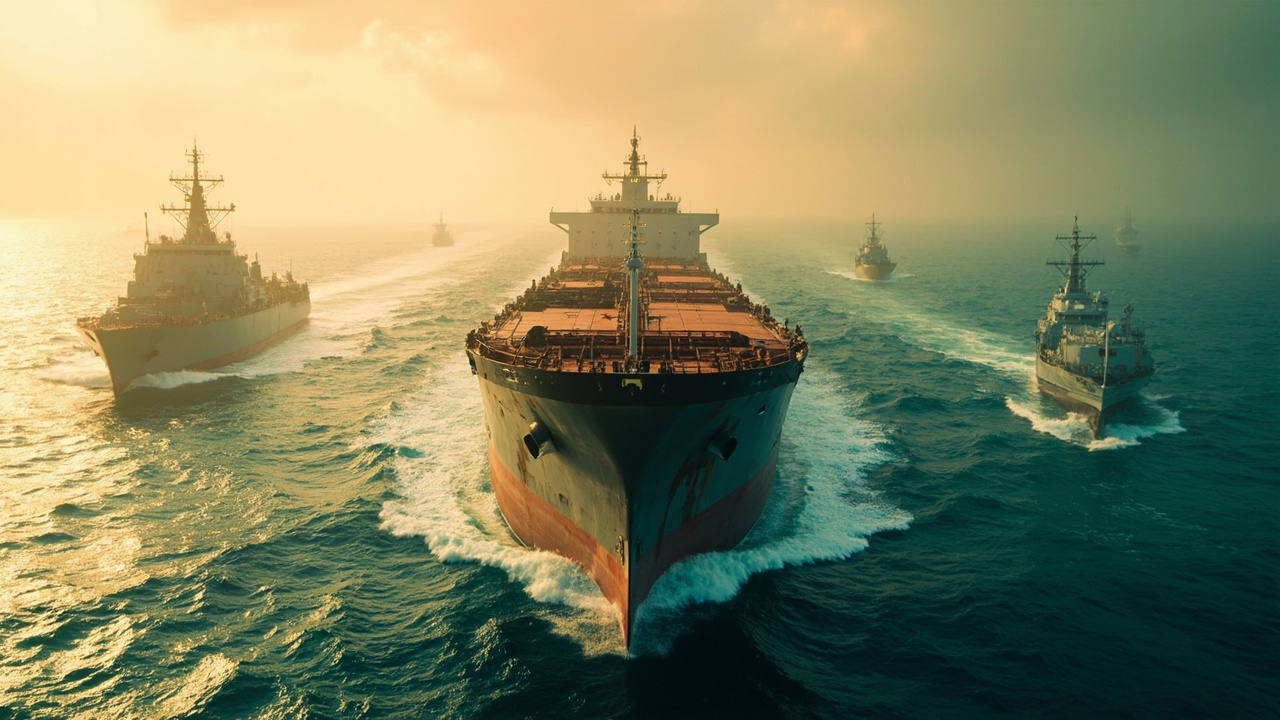
According to a statement from Iran’s Ports and Maritime Organization, the IRGC’s naval arm boarded the MV Pacific Destiny — a 274-meter crude oil tanker carrying approximately 270,000 metric tons of light crude oil bound for Asian markets — approximately 45 nautical miles east of the Gulf of Oman. Iranian state media described the operation as “routine inspection” and said the vessel was diverted to the port of Bandar Abbas under IRGC escort. The tanker’s 26 crew members, comprising Indian, Filipino, and Ukrainian nationals, were described by Iranian officials as “safe and in good condition.”
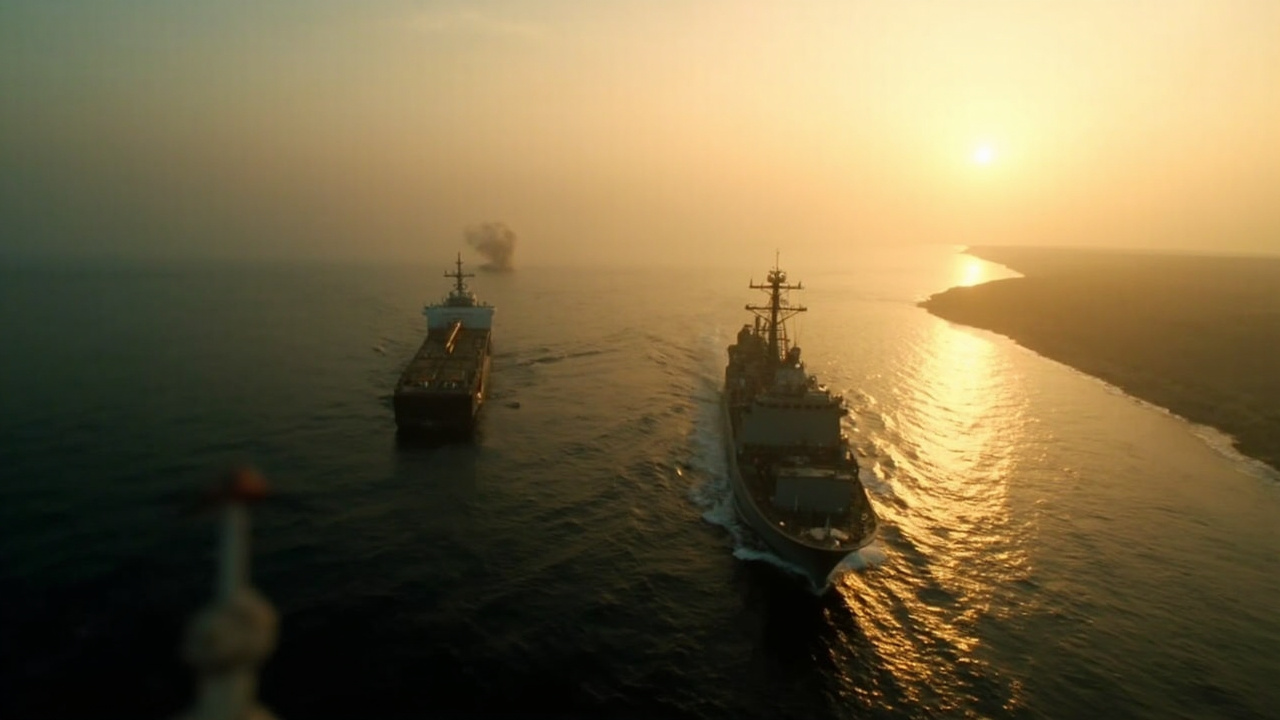
Hours before the seizure, US Central Command confirmed that American naval forces had “disabled” two Iranian-flagged tankers — the IRIS Lavan and IRIS Daman — after intercepting them near the mouth of the Strait of Hormuz. In a statement, Pentagon officials said the vessels had ignored repeated warnings and were “directly supporting IRGC naval operations” in the disputed waters. The US military said one of the Iranian tankers caught fire after being struck, with satellite imagery showing a large plume of black smoke rising from the vessel’s deck.
“These actions represent a reckless and dangerous escalation that puts civilian mariners at risk and threatens the free flow of international commerce through one of the world’s most vital waterways,” said Pentagon spokesman Major General James Whitcomb in a statement Thursday afternoon.
The US has maintained a naval presence in and around the Strait of Hormuz since late April, when the ceasefire between Washington and Tehran first showed signs of strain. American destroyers have conducted regular “freedom of navigation” operations, but Thursday’s engagement marks the first time US forces have directly struck Iranian-linked commercial vessels — a significant escalation from previous confrontations that had largely been limited to warning shots and economic pressure.
The Strategic Significance of the Strait of Hormuz
The Strait of Hormuz processes approximately 21 million barrels of oil per day — roughly one-fifth of global oil consumption — making any disruption to shipping through the 34-kilometer-wide waterway a matter of immediate global economic concern. On Thursday, Brent crude futures surged by more than 4.7 percent in early Asian trading following news of the tanker seizure, while shipping companies scrambled to reroute vessels away from the Gulf region.
Shipping industry sources told Media Hook that at least five major tanker operators had issued “high-risk area” advisories for the Gulf of Oman and the eastern Arabian Sea, urging vessels to maintain maximum distance from Iranian territorial waters. Lloyd’s Market Association, the broker for the specialist war-risk insurance market, confirmed it was “actively monitoring the situation” but declined to comment on any potential premium adjustments.
For Iran, which depends on oil exports for the bulk of its foreign currency revenue, the seizure of a tanker — particularly one carrying crude bound for Asian markets — serves multiple strategic purposes. It demonstrates Iranian naval reach without firing a missile; it applies economic pressure on global markets at a moment when the Trump administration is seeking a negotiated end to hostilities; and it signals to regional rivals that Iran retains the capacity to disrupt global energy supplies even under the weight of sweeping American sanctions.
“This is not about the tanker itself — it’s about signaling that the Americans cannot control this waterway by force. Every seizure, every interdiction, every provocation is a message,” said Dr. Ali Tehrani, a former Iranian foreign ministry official and now senior fellow at the Tehran Institute for Strategic Studies. “Iran wants a deal, but not at the price of appearing weak.”
Ceasefire Under Severe Strain
The confrontation comes against the backdrop of an increasingly fragile ceasefire between the United States and Iran, which has been in place — in principle — since April 8. US Secretary of State Marco Rubio told reporters in Rome that the ceasefire was “under review” but stopped short of declaring it void, saying the administration was “giving Tehran one last opportunity to reverse course.”
European allies, meanwhile, expressed alarm. French Foreign Minister Nathalie Loiseau convened an emergency session of EU foreign policy principals, while British Prime Minister Keir Starmer called for “maximum restraint from all parties.” German Chancellor Friedrich Merz issued a statement calling the tanker seizure “an illegal act of state piracy” and said Berlin was in close contact with Washington about potential reciprocal measures.
The White House said President Trump was briefed on the situation Thursday morning and had spoken by telephone with the leaders of Saudi Arabia and the United Arab Emirates. A readout from the calls did not include specifics but said the President and regional leaders had agreed on “the importance of de-escalation and unimpeded maritime commerce.”
Regional analysts warned that the seizure and the US response could mark a turning point in the conflict — potentially collapsing the ceasefire entirely and opening a new, more dangerous phase of confrontation.
“We’ve moved past the point where either side can issue a warning and expect the other to blink. The calculus has changed. Iran has demonstrated it can strike back at commercial shipping, and the US has demonstrated it will not allow that without a fight. What you have now is a collision course,” said Professor Layla Hassan of the Gulf Policy Institute in Doha.
Human Toll and Shipping Disruption
The 26 crew members aboard the MV Pacific Destiny — 12 Indian nationals employed by Zodiac Maritime, 9 Filipino sailors under contract to Anglo-Eastern Ship Management, and 5 Ukrainian nationals — remain aboard the vessel, according to statements from their employers. Zodiac Maritime confirmed it had been in contact with the vessel and said the crew’s “safety and welfare” was the company’s “utmost priority.” The Philippine Department of Foreign Affairs said it was “closely monitoring” the situation and had requested consular access to the crew through diplomatic channels.
For global shipping, Thursday’s events underscored the growing risks of operating in one of the world’s most geopolitically charged waterways. Industry data shows that commercial shipping through the Strait of Hormuz has already declined by approximately 18 percent since the conflict began in April, with many operators choosing to reroute vessels around the Cape of Good Hope — adding weeks to transit times and substantially increasing costs.
As of Thursday evening, the MV Pacific Destiny remained anchored off the coast of Bandar Abbas under IRGC naval escort. US military officials said they were “monitoring the situation closely” but declined to comment on whether any military response was being considered. The United Nations Secretary-General called on “all parties to respect international maritime law and ensure the safety of innocent mariners.” The Secretary-General’s statement made no specific reference to the ceasefire and did not assign blame to any party.
For the families of the 26 crew members aboard the Pacific Destiny, the waiting continues. “We just want him home,” said Meera Sharma, wife of chief engineer Rajiv Sharma, in a phone interview from Mumbai. “Every day that this goes on is a day we cannot eat, cannot sleep. This has to end.”