Lethal Heat Shifts East, Tests Ukraine War-Damaged Grid
The most severe heat wave ever recorded in Europe killed more than 1,300 people across the continent since June 21, the World Health Organization confirmed Monday, as the punishing heat dome that first smothered western Europe rolled eastward into the Balkans and took direct aim at Ukraine’s war-ravaged power infrastructure. The death toll continued to climb as hospitals reported surges in heat-related emergencies and rivers across the region reached dangerously high temperatures.
Record-Shattering Temperatures Stretch Across Central and Eastern Europe
The scorching heat broke all-time temperature records across a band of central and eastern European nations Monday. Germany recorded 41.2°C (106.2°F), Poland hit 40.5°C (104.9°F), and the Czech Republic reached 41.9°C (107.4°F) — each surpassing previous national records. The United Kingdom and Switzerland recorded their highest-ever June temperatures. In parts of Germany, authorities deployed water cannon vehicles to cool public spaces as streets became unbearable.
France, which bore the initial brunt of the heat wave, has reported at least 74 drowning deaths since June 18 as people sought relief in unsupervised rivers and lakes. Poland recorded 17 drowning deaths on Sunday alone. Several small children died in locked vehicles — a recurring hazard during European heat events — and teenagers drowned at unsupervised swimming spots across the region. “I’m doing the same thing as everyone — trying to stay in the shade and drink a lot of water,” Vienna resident Susanne told AFP. “I just hope that the politicians will understand the situation and will begin to set a course in the right direction.”
Ukraine’s Battered Power Grid Faces Its Latest Crisis
Ukraine’s energy network, already pummelled by more than four years of Russian attacks, buckled under the strain Monday as temperatures in several regions topped 36°C (96.8°F). The western Rivne region introduced emergency power outages to ease pressure on the grid. The central Khmelnytsky region announced temporary outages, and five other regions — spanning from Ivano-Frankivsk in the west to Zaporizhzhia on the southern front line — warned households and businesses to prepare for blackouts Tuesday.
“The heat is also a serious test for equipment that has been operating under wartime conditions for more than four years and has withstood numerous attacks,” said Sergii Kovalenko, CEO of the Yasno energy company. He said that summer is the peak period for repairing the energy network battered through repeated Russian winter attacks, leaving the grid “operating at the limit of its capabilities.” The state weather service forecast temperatures of 35°C to 38°C (95°F to 100.4°F) through midweek, shy of the national record of 42°C set in August 2010 but dangerous given the grid’s degraded state.
Scientists: Heat Wave Unprecedented, Made Worse by Climate Change
The World Weather Attribution group of scientists said the event would have been “virtually impossible” this early in the summer without human-driven climate change. The group, which analyses the fingerprints of climate change on individual weather events, said the heat wave’s intensity and geographic scope exceeded anything in the historical record for June. The WHO again warned Monday that heat stress remains the leading cause of climate-related death in Europe.
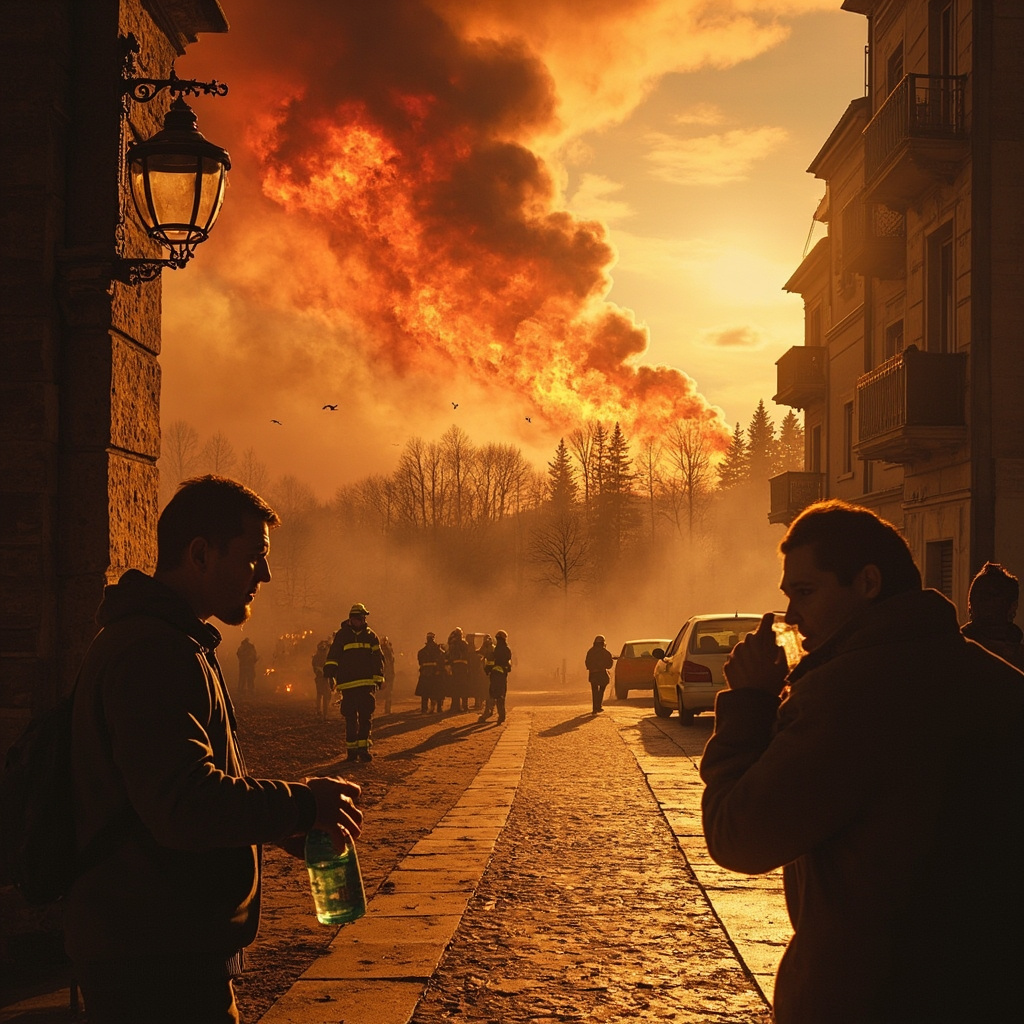
Bosnia and Herzegovina prepared for temperatures reaching 40°C (104°F) Monday, with firefighters in several Balkan towns battling wildfires ignited during the extreme heat. At least 130 million people across Europe were enduring temperatures above 35°C (95°F) as the heat dome showed few signs of weakening, down from 190 million at the peak Sunday but still unprecedented for late June.
What Happens Next
Forecasters say the heat dome is expected to persist through at least Thursday, with temperatures in Hungary, Serbia, and Romania forecast to approach or exceed 42°C (107.6°F) — approaching Ukraine’s all-time record. Emergency management officials across six countries have activated heat emergency protocols, and the WHO has pre-positioned medical supplies in areas anticipated to be hardest hit. The European Union is convening an emergency coordination meeting Wednesday to assess grid stability across member states and coordinate mutual aid for overstretched health systems. Ukraine’s energy operators face the most acute dilemma: the grid cannot absorb peak summer demand without risking cascading failures during a period when repair crews are already stretched thin from ongoing Russian strikes.