Supreme Court’s Conservative Majority Greenlights TPS Terminations, Sotomayor and Kagan Break With Tradition
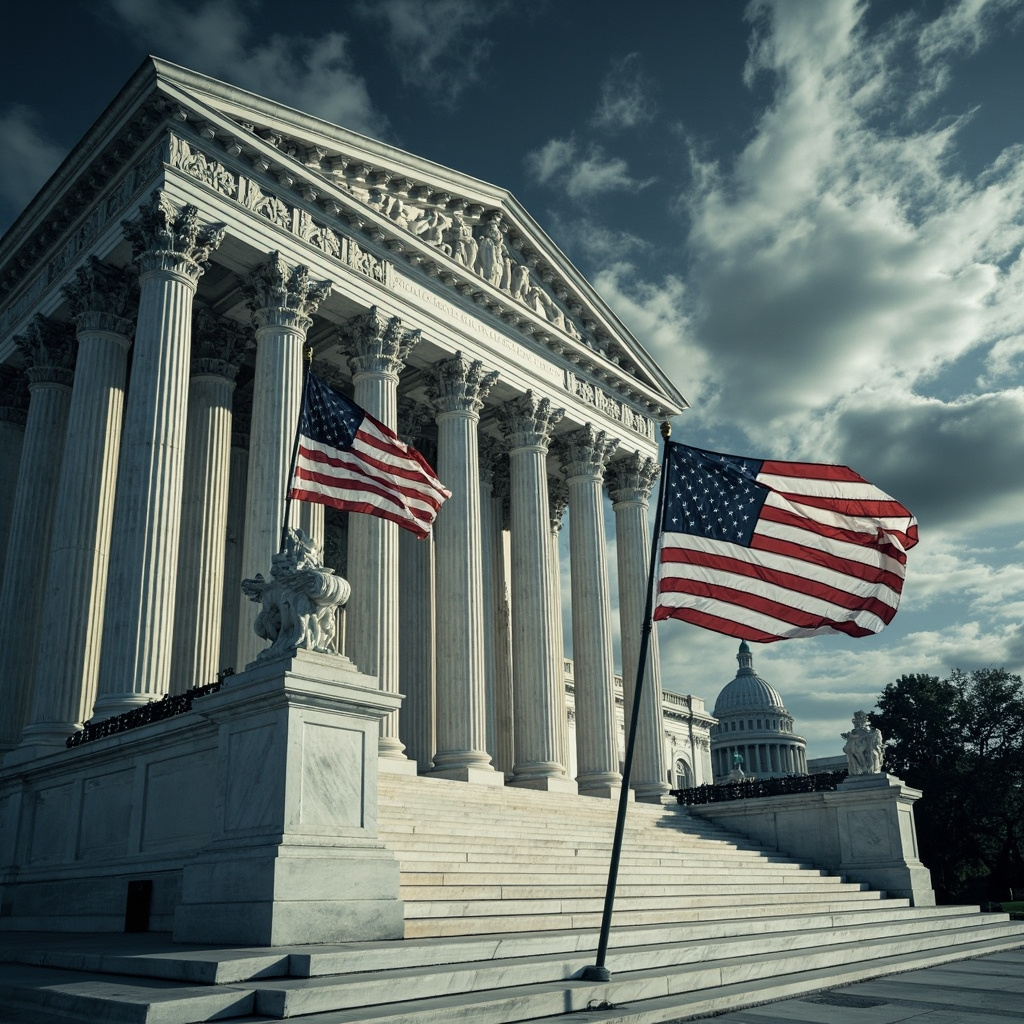
Conservative Court Greenlights Mass TPS Terminations
The Supreme Court of the United States delivered a sweeping endorsement of President Donald Trump’s immigration agenda Thursday, issuing a pair of 6-3 rulings that allow the administration to terminate temporary deportation protections for hundreds of thousands of immigrants from Haiti and Syria while simultaneously reviving a controversial policy that restricts asylum claims at the southern border. Writing for the court’s three liberal justices, Justice Elena Kagan condemned the majority for granting the executive branch unchecked power over human lives, declaring that immigrants facing removal “may be put on the next plane” with virtually no judicial recourse.
The decisions mark one of the most significant affirmations of presidential authority over immigration in recent memory and represent a direct legal victory for Stephen Miller, the White House adviser who has spent years pushing aggressive restrictions on legal and humanitarian immigration pathways. The rulings remove federal courts from reviewing the administration’s termination of the Temporary Protected Status program, a humanitarian initiative established by Congress in 1990 that shields nationals from countries devastated by war, natural disasters, or other emergencies from deportation.
Kagan and Sotomayor Break With Tradition to Denounce Rulings
Thursday’s rulings drew an unusually personal and public rebuke from the court’s liberal wing. Justice Sonia Sotomayor took the rare step of reading her dissent from the bench — a symbolic protest that stunned courtroom observers accustomed to the institution’s longstanding culture of collegial restraint. Justice Samuel Alito, who authored both majority opinions, publicly retorted, a response that legal scholars called without modern precedent at the Supreme Court level.
Kagan’s written dissent was equally pointed. She singled out statements from President Trump and the Department of Homeland Security that she said carried unmistakable racial undertones and “overtones alike,” forcing the court’s hand in a way that demanded accountability. “The statements fairly shout that race entered into the President’s resolve to remove Haitians from this country,” Kagan wrote, noting that Alito had declined to repeat the president’s remarks in his own opinion. Alito, for his part, dismissed those comments as policy expressions that “could rest on race-neutral justifications,” a characterization Kagan forcefully rejected.
Affected Communities Face Impossible Choices
Approximately 350,000 Haitians and 6,000 Syrians living legally in the United States under TPS protections now face the prospect of deportation to countries the State Department advises citizens to avoid. Viles Dorsainvil, a Haitian beneficiary of the program and a leader of the Haitian Support Center, called the decision “shocking news” in the immediate aftermath of the ruling. “This decision places thousands of Haitian families in immediate fear,” Dorsainvil said. “Haiti is not safe, and everyone knows it.” Stephen Miller, speaking from the White House, pushed back sharply, declaring Haiti “absolutely” a safe country for Haitians and arguing the program had outlived its justification.
Ashley Sanchez, director of the Immigration Law Clinic at Notre Dame Law School, said those losing TPS status are now trapped between two dangerous options: remain in the United States and risk detention and deportation, or return to countries the U.S. government itself warns against visiting. Asylum claims remain theoretically available, Sanchez noted, but the underlying conditions that originally qualified Haiti for TPS — widespread gang violence, natural disasters, and collapsed health infrastructure — do not always translate into viable asylum pathways under current legal standards.
One of the Syrian plaintiffs, identified in court filings by the pseudonym Dahlia Doe, issued a statement calling the ruling “a devastating blow” to thousands of immigrants who “built our lives in this country in good faith.” “We are real people whose futures now hang in the balance,” Dahlia Doe said. “This is not simply a legal outcome, for us. It is the loss of stability, the fear of separation from our families, and the uncertainty of what comes next.”
Lawyers for the affected migrants argued that the administration reached predetermined conclusions about conditions in Haiti and Syria without genuine analysis, and that the termination was motivated by racial animus — a claim the court’s majority declined to credit. Geoffrey Pipoly, an attorney representing Haitian plaintiffs, told the justices during oral argument in April that “the true reason for the termination is the president’s racial animus towards non-White immigrants and bare dislike of Haitians in particular.” Alito’s majority opinion rejected that framing, concluding that political discourse expressed in troubling terms “could rest on race-neutral justifications” and that courts were not positioned to second-guess executive determinations on country conditions.
What Comes Next
The rulings do not end all legal challenges. The court’s decision on TPS technically resolves only the question of judicial review, leaving open separate litigation over whether the terminations were driven by unconstitutional animus. Civil rights organizations have pledged to continue fighting those claims in lower courts and through legislative channels. Congress, meanwhile, faces renewed pressure from both sides — advocates calling for codifying TPS protections into permanent law and hardliners demanding full enforcement of Thursday’s ruling.
For the immigrants themselves, the practical timeline for enforcement remains uncertain. The Department of Homeland Security must still process terminations and coordinate removal operations, a logistical undertaking of significant scale. But legal observers say the ruling removes the last meaningful barrier to mass enforcement actions targeting some of the most vulnerable populations currently residing in the United States legally.
