U.S. Equities
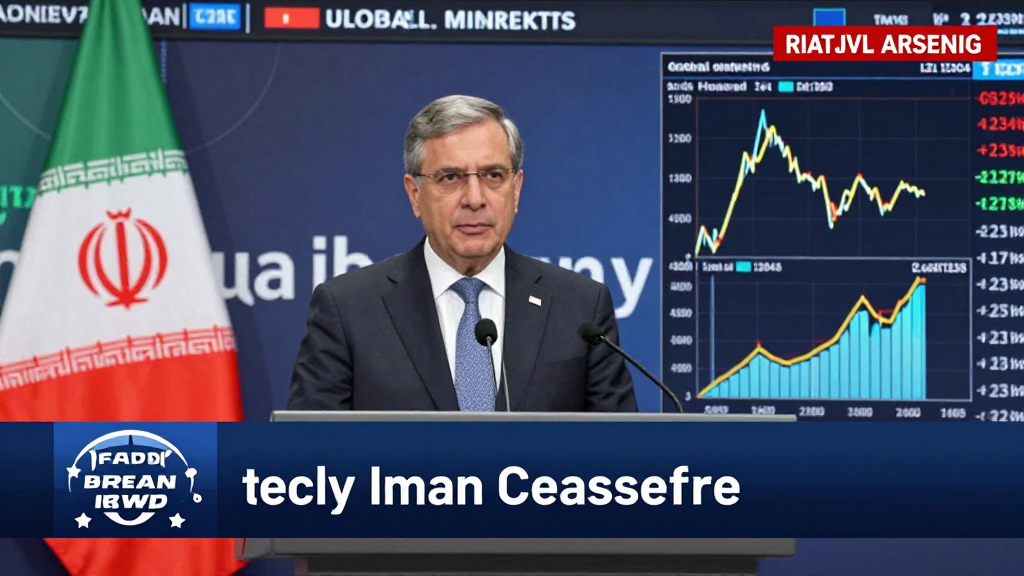
U.S. equity markets staged a broad-based rally on Wednesday, July 1, 2026, with the S&P 500 surging 1.18% to close at 7,449 — its best single-day performance in weeks — as investor sentiment shifted decisively toward risk-on positioning following positive developments on the Iran nuclear talks front. The Nasdaq Composite outperformed with a 2.25% gain, climbing to 29,812, as technology stocks reclaimed the lead role after a turbulent June that had seen the index shed more than 2% amid earnings concerns and hawkish Federal Reserve rhetoric. The Dow Jones Industrial Average added 0.59% to finish at 52,234, a new closing high for the benchmark, while the Russell 2000 small-cap index barely budged, edging up just 0.01% to 3,010, a signal that the rally’s breadth remained narrow and concentrated in mega-cap technology names rather than diffusing across the market cap spectrum. Nvidia, AMD, and Intel all traded up between 1% and 2.4% in premarket activity, building on a chip-sector recovery that analysts at Capital Economics attributed to “an oversold bounce backed by genuine improvement in guidance from memory and logic producers,” according to a note published Wednesday morning.
Fixed Income
The Treasury market showed a classic risk-on reaction on Wednesday, with the 10-year yield climbing 2 basis points to 4.38% as equity gains drew capital out of safe-haven government bonds and into stocks, even as the broader macroeconomic backdrop remained consistent with a Fed that is in no hurry to cut rates further. The 2-year yield, which is more sensitive to near-term Fed expectations, rose to 4.07%, leaving the closely-watched 2s10s spread at a still-positive 31 basis points — narrow by historical standards but not yet inverted, a configuration that bond strategists at Comerica Bank described as “a yield curve that is grinding flat, not rolling over into recession signal.” The CBOE Volatility Index, known as the VIX, actually fell 0.20% to 17.45 even as equities rallied, a somewhat unusual combination that market participants attributed to option market pricing reflecting reduced tail risk from the geopolitical front rather than complacency about earnings fundamentals. Credit spreads in the high-yield market have compressed modestly over the past week, a development that typically coincides with improved risk appetite, and several fixed-income portfolio managers noted in client communications that the combination of stable yields and rising equity markets was consistent with a soft-landing scenario still being the base case for the second half of 2026.
Energy Markets
Oil prices edged lower on Wednesday as diplomatic signals around a potential Iran nuclear agreement raised the prospect of additional crude supply entering global markets, with West Texas Intermediate (WTI) crude falling 0.40% to $74.82 per barrel — still elevated compared to the mid-$60s seen earlier this year but off the $80+ highs touched during peak geopolitical tension. The prospect of even a partial sanctions relief framework for Iran, which Oman and Switzerland have been brokering quietly in Geneva over the past ten days, has introduced a new dimension of uncertainty into energy markets that complicates the Federal Reserve’s inflation calculus: lower oil reduces the pass-through to headline CPI, potentially giving the Fed more room to ease, but also removes one of the supply-side inflationary pressures that have kept core prices stubbornly above the 2% target. Natural gas futures in Europe have been similarly pressured by the same diplomatic signals, with the TTF hub in the Netherlands seeing a 3.1% decline over the past week as traders priced in reduced risk of a Middle East disruption to LNG shipping lanes through the Strait of Hormuz. The Energy Information Administration is scheduled to release its weekly inventory report on Thursday, and analysts surveyed by the American Petroleum Institute are expecting a draw of approximately 4.1 million barrels, which would be the fifth consecutive weekly inventory reduction and consistent with a market that is rebalancing despite the demand uncertainty created by China’s slower-than-expected economic recovery.
Currencies & Commodities
The U.S. Dollar Index strengthened to 106.7 on Wednesday, gaining roughly 0.3% against a basket of major trading partners, as the combination of equity inflows and relatively higher U.S. Treasury yields made the dollar attractive to carry-trade participants who had been reducing long-dollar positions over the prior month. The EUR/USD pair slipped to 1.0820, its lowest level since late May, while the USD/JPY recovered to 151.20 from a low of 149.80 reached last week, a move that reflected the yen’s status as a funding currency in the risk-on environment rather than a safe-haven asset. Gold gained 0.35% to $3,982 per troy ounce, continuing its climb from the $3,800 support level that held firmly through the end of June despite two separate attempts by commodity traders to push it lower — a pattern that senior precious metals strategists at Heraeus Metal Trading attributed to “structural demand from central bank accumulation programs that are simply too large and too consistent to be overwhelmed by short-term speculative positioning.” Bitcoin traded around $60,500 on Wednesday, having recovered from the sub-$58,000 intraday low touched last Thursday but still facing resistance at the $63,000 level that coincided with the late-June ETF outflows of approximately $4.06 billion, the largest monthly net redemption since such products launched. Ethereum held a range between $3,380 and $3,450, with on-chain data from Glassnode showing active wallet addresses at a twelve-month low, a sign that the Ethereum network’s growth phase may be pausing as developers await clarity on the regulatory framework expected from the Treasury’s anticipated stablecoin legislation.
Forward Look
Investors are now turning their attention to a packed data calendar that includes the June jobs report on Friday, which is expected to show payroll growth of approximately 185,000 and an unemployment rate steady at 4.2%, along with the ISM Manufacturing PMI on Thursday and the FOMC minutes from the June 17-18 meeting, which are due on Wednesday of next week and will be scrutinized for any shift in the committee’s characterization of the inflation outlook following the recent moderation in PCE and CPI readings. The Fed’s decision to hold rates at its June meeting was unanimous, but the divergent views on the pace of disinflation — with some members emphasizing that services inflation remains sticky above 3% while others point to shelter price deceleration as evidence that the last mile of inflation control is underway — means the minutes could provide important signal about the likely path of cuts in the second half of 2026. Beyond the macroeconomic data, second-quarter earnings season kicks off in earnest next week with the major U.S. banks, and analysts are expecting blended earnings growth of approximately 8.2% for the S&P 500, a figure that seems achievable given the strong performance of the financial sector in May and June but which will be tested by results from the technology sector, where Magnificent Seven companies have collectively guided revenue growth below analyst consensus estimates in three of the past four quarters.