The United States and Iran offered sharply different accounts Tuesday of what, if anything, is happening in Doha. Secretary of State Marco Rubio told reporters at the G20 summit in Miami that the two sides were in active discussions. Iran denied it flatly. “No meeting is scheduled between the Iranian delegation and the American side in Doha,” said Iranian Foreign Ministry spokesman Esmaeil Baqaei, according to Iran’s state-run IRNA news agency. The discrepancy left mediators scrambling to clarify the situation and left oil markets on edge over a waterway through which a fifth of the world’s oil flows.
Conflicting Accounts From Washington and Tehran
The United States and Iran offered sharply different accounts Tuesday of what, if anything, is happening in Doha. Secretary of State Marco Rubio told reporters at the G20 summit in Miami that the two sides were in active discussions. Iran denied it flatly. “No meeting is scheduled between the Iranian delegation and the American side in Doha,” said Iranian Foreign Ministry spokesman Esmaeil Baqaei, according to Iran’s state-run IRNA news agency. The discrepancy left mediators scrambling to clarify the situation and left oil markets on edge over a waterway through which a fifth of the world’s oil flows.
Ceasefire Agreement Under Strain
The conflicting signals arrived exactly two weeks after a ceasefire agreement brokered by Qatar and Pakistan halted direct military exchanges between Washington and Tehran. The deal, announced June 16, stipulated that Iran would use its best efforts to ensure safe passage of commercial vessels through the Strait of Hormuz. A vaguely worded article in the agreement gave Iran and Oman joint responsibility for defining the future administration of the waterway, effectively granting Tehran a formal role in managing one of the world’s most critical chokepoints. Oman has since delivered a proposal to the United States and allied governments outlining a system under which shipping companies would pay service fees — not called tolls — to use the strait, according to a regional diplomat and a US official familiar with the matter.
Strait of Hormuz Raised to Substantial Threat Level
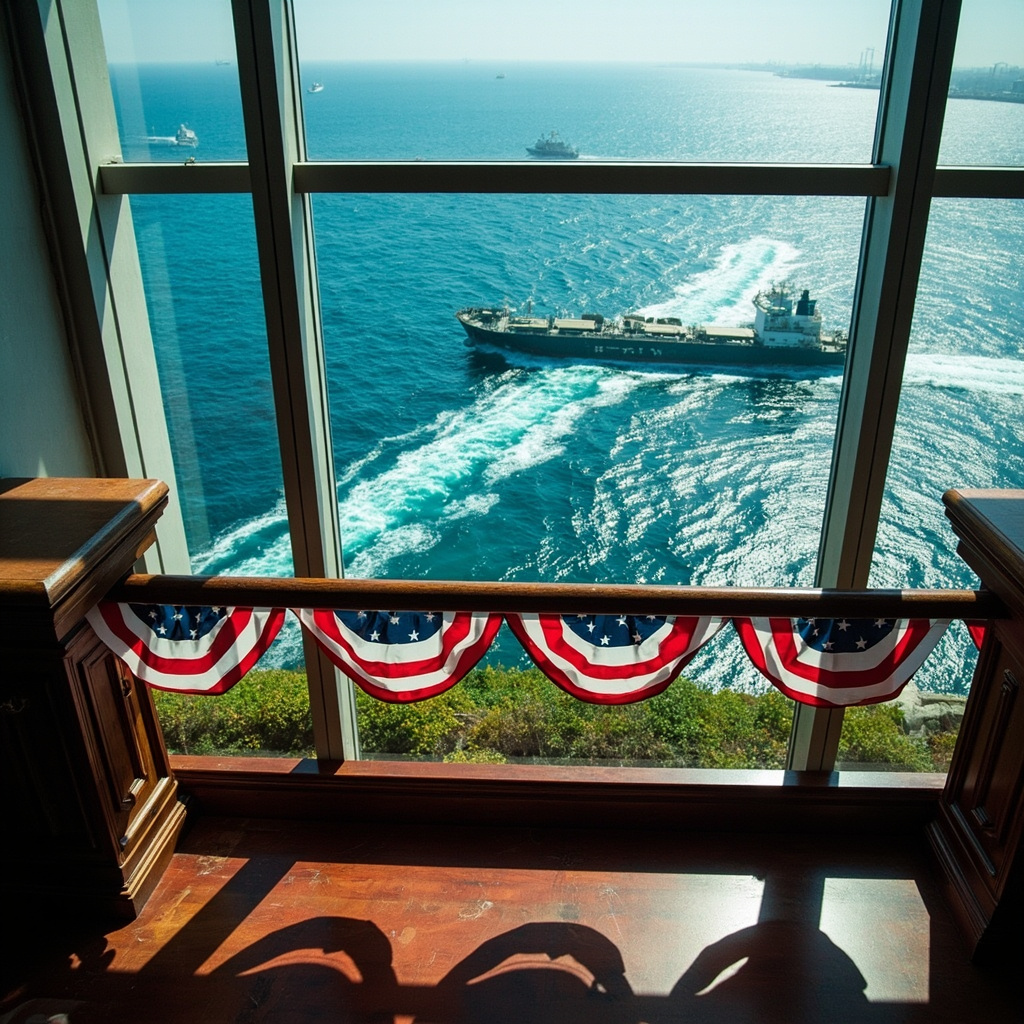
The Joint Maritime Information Center has raised the security threat level for the Strait of Hormuz to “substantial” due to the confirmed presence of mines and ongoing clearance operations, according to two regional security officials. Commercial traffic has remained steady so far, but the escalation in threat status reflects persistent fears that the ceasefire, while holding militarily, has not resolved the underlying hostility between the United States and Iran. White House spokesperson Anna Kelly was unambiguous on the tolls question: “President Trump has been clear that Iran cannot toll the strait, which is an international waterway.” The diplomat who described the Omani proposal said significant disagreements remain, though a regional source said Oman itself is not actively pushing the fee-based system.
What Comes Next
Delegations from the United States and Iran are expected to participate separately in technical talks with Qatari and Pakistani mediators on Wednesday, according to a White House official. Those sessions are intended to address implementation of the ceasefire — specifically how Iran’s obligations on commercial shipping will be verified and what incentives Tehran will receive in return, including access to frozen overseas assets worth tens of billions of dollars. The question of Iran’s formal role in Hormuz administration is expected to dominate the agenda. Both sides have incentive to keep the ceasefire alive: Iran faces a collapsing economy under sanctions, and the Trump administration has signaled it wants a diplomatic off-ramp rather than a renewed military campaign. But the gap between the two delegations’ descriptions of Tuesday’s events suggests the path to a stable arrangement remains deeply uncertain.