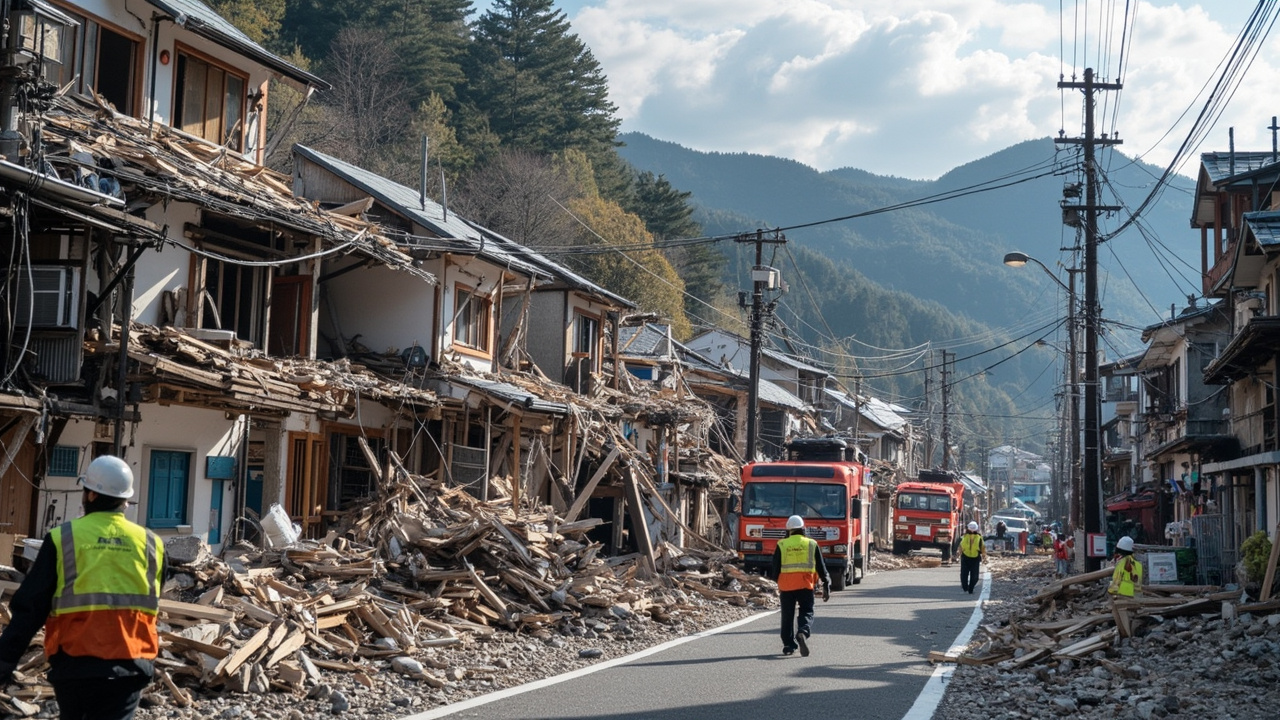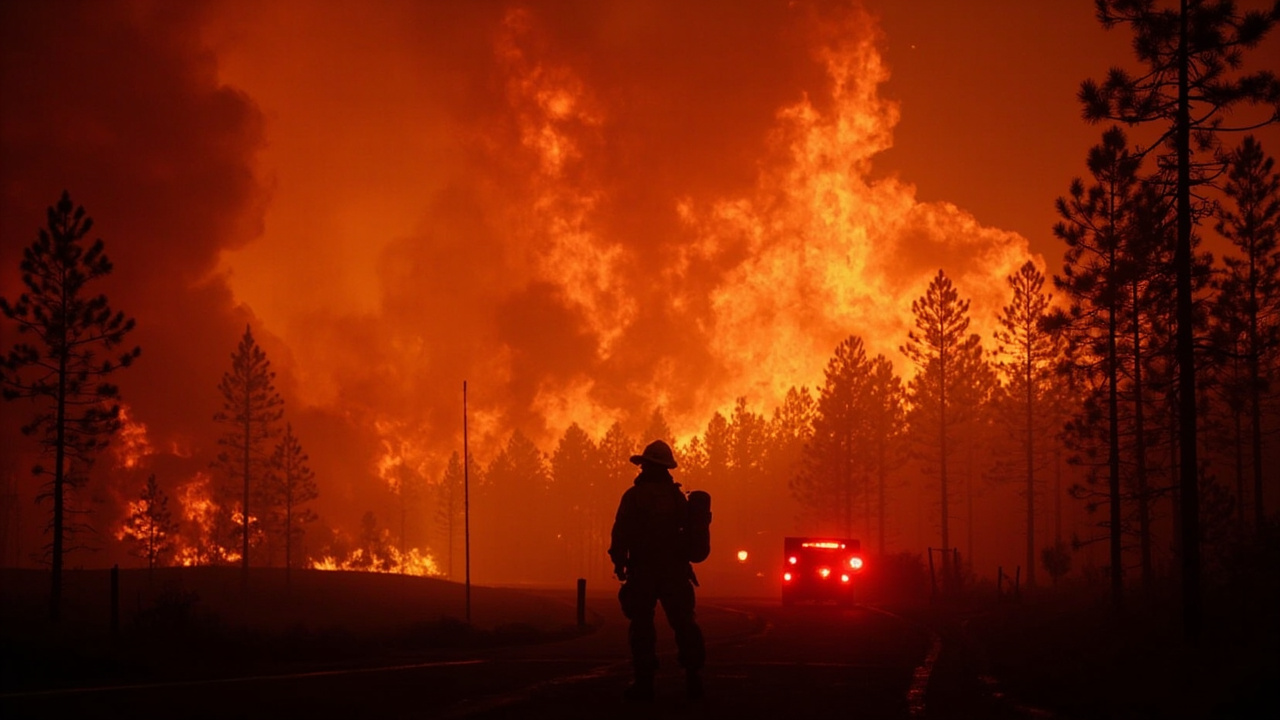
An unusually fierce wildfire season has claimed a volunteer firefighter’s life in northern Florida while destroying more than 120 homes in Georgia, as drought, wind, and climate change converge to create a devastating spring across the Southeast.
A Firefighter Falls as Flames Spread
A volunteer firefighter died Friday while battling a wildfire in northern Florida, officials confirmed, marking the first fatality of what has become an unusually destructive spring fire season across the southeastern United States. The death came as more than 120 homes were destroyed in southeast Georgia, with thousands more threatened by two large blazes burning out of control.
Officials in Georgia said one of the fires may have been sparked by a foil balloon touching power lines, a seemingly minor incident that has now left communities in ruins. The fires are part of a broader pattern of extreme wildfire activity across the Southeast this spring, where scientists say a dangerous combination of extreme drought, gusty winds, and the warming effects of climate change has created perfect conditions for rapid fire spread.
Oklahoma Tornado Adds to the Toll
The destruction was not limited to the Southeast. In Enid, Oklahoma, a tornado ripped through the town of 50,000 residents on Thursday, damaging approximately 40 homes. The National Weather Service reported the tornado was on the ground for 9 miles, packing winds of 170 to 175 mph and measuring 500 yards across at its widest point.
Miraculously, no deaths or injuries were reported in the Oklahoma tornado, a stark contrast to the deadly wildfires further east. Meteorologist Rick Smith of the National Weather Service confirmed the tornado’s intensity but noted the community’s preparedness may have prevented casualties.
“It was on the ground for 9 miles, packing winds of 170 to 175 mph,” said Rick Smith, a meteorologist with the National Weather Service.
Climate Scientists Warn of a New Normal
The scale of this spring’s wildfires has alarmed climate scientists, who say the Southeast is experiencing conditions typically associated with fire-prone regions like California and Australia. A prolonged drought has left forests and grasslands tinder-dry, while unusually strong winds have allowed fires to spread rapidly once ignited.
“We’re seeing a convergence of factors that are creating a very dangerous situation,” said one climate researcher familiar with the region. “Extreme drought, gusty winds, and the underlying warming trend — it’s a recipe for exactly what we’re witnessing.”
Emergency management officials across multiple states have issued evacuation orders and called in additional firefighting resources from neighboring jurisdictions. The volunteer firefighter’s death underscores the human cost of the crisis — a reminder that behind every statistic are individuals risking their lives to protect their communities.
Key Questions Answered
How many homes have been destroyed? More than 120 homes have been destroyed in southeast Georgia alone, with thousands more threatened.
What caused the Georgia fires? Investigators suspect one of the major blazes was sparked by a foil balloon touching power lines.
Is the wildfire season expected to worsen? Scientists warn that drought conditions and warming trends suggest the risk will remain elevated through the spring and summer months.
What Happens Next
Firefighting crews from multiple states are now converging on the affected areas, working around the clock to contain the blazes before they reach additional populated areas. The National Guard has been placed on standby in both Georgia and Florida, and federal emergency management officials are assessing whether to declare a major disaster.
For the families who have lost homes, and for the family of the fallen firefighter, the road ahead will be long. But the response so far — from volunteer firefighters to meteorologists issuing early warnings — has demonstrated the resilience of communities facing an increasingly volatile climate.