A Fragile Shield
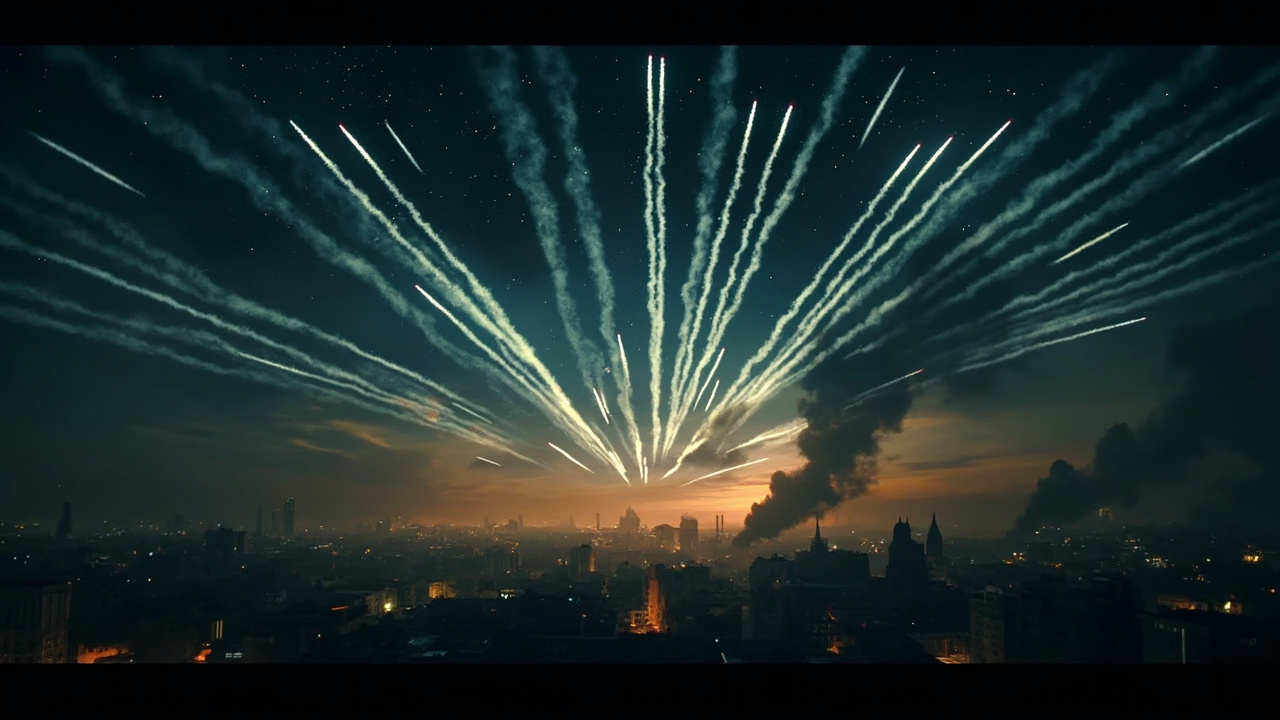
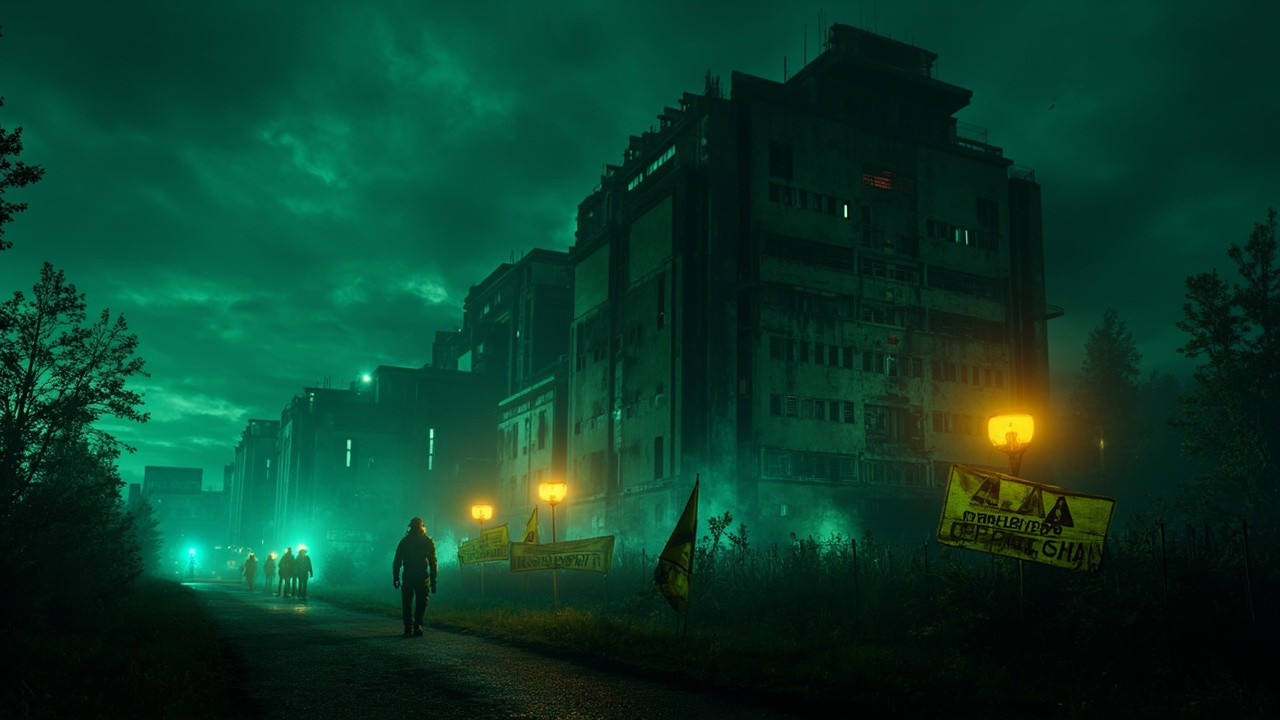
As Ukraine marks the 40th anniversary of the Chernobyl nuclear disaster, a new and deeply unsettling threat has emerged: the Russian drone strike that damaged the plant’s containment structure last year has undone decades of safety progress, raising fears of a catastrophic radiation release that could affect millions across Europe.
The April 2025 drone attack — which struck the New Safe Confinement (NSC) arch, the massive steel and concrete structure built to contain Chernobyl’s radioactive remains — created cracks and structural weaknesses that Ukrainian engineers say are beyond temporary repair. With the ongoing war preventing full-scale reconstruction, the world’s worst nuclear disaster site now faces its most precarious moment since the 1986 meltdown.
The Damage That Can’t Be Fixed
The New Safe Confinement structure, completed in 2016 at a cost of €1.5 billion, was designed to seal off Reactor No. 4 for 100 years. The massive arch, the largest movable land-based structure ever built, was intended to prevent radioactive dust from escaping and allow for the eventual dismantling of the destroyed reactor.
But the drone strike last year punched holes in the structure’s ventilation and filtration systems, compromised its steel skeleton, and damaged critical monitoring equipment. Ukrainian nuclear officials say that while the immediate radiation release was contained, the structural integrity of the NSC has been “significantly degraded.”
“We spent 30 years building a safe enclosure. Russia destroyed part of it in one night. The international community must understand that Chernobyl is not a historical problem — it is a live, active threat that requires immediate action.”
The Risk of Collapse
The European Commission’s Joint Research Centre has warned that without urgent repairs, the NSC could face a “catastrophic collapse” within two to five years. Such a collapse would release massive amounts of radioactive dust into the atmosphere, potentially contaminating large swaths of Ukraine, Belarus, Russia, and Eastern Europe.
Ukrainian engineers have proposed temporary reinforcement measures, including steel buttresses and additional ventilation filters, but these require funding and materials that are scarce in wartime. The International Atomic Energy Agency (IAEA) has called for an international donor conference, but diplomatic attention remains focused on the broader conflict and the Iran crisis.
A Lingering Legacy
The original Chernobyl disaster of April 26, 1986, released 400 times more radioactive material than the Hiroshima bomb, forcing the permanent evacuation of 350,000 people and creating a 30-kilometer exclusion zone that remains largely uninhabitable. The disaster’s health toll is still debated, with estimates of eventual cancer deaths ranging from 4,000 to 93,000.
Today, the exclusion zone has become an unintended wildlife refuge, and a small number of elderly residents have returned to their ancestral villages despite the risks. But the war has brought new dangers: Russian forces occupied the Chernobyl site in the early weeks of the 2022 invasion, digging trenches in the most contaminated soil and exposing themselves to dangerous radiation levels.
What Comes Next
As the 40th anniversary arrives, Ukrainian officials are pressing for an emergency session of the UN Security Council to address the Chernobyl threat. The IAEA has maintained a presence at the site despite the risks, but Director General Rafael Grossi has warned that the agency’s ability to monitor the situation is “severely constrained” by the ongoing conflict.
For the people of Ukraine, Chernobyl is both a historical wound and a present danger — a reminder that the costs of war extend far beyond the battlefield. With the containment structure compromised and repairs stalled, the clock is ticking on what could become one of the most consequential environmental disasters of the 21st century.