The artificial intelligence revolution has arrived faster than any of us predicted. Now, governments around the world are scrambling to catch up with a technology that evolves faster than legislation can follow. In 2026, the frameworks being built today will determine whether AI serves humanity’s best interests or spirals beyond our control.
The Stakes Have Never Been Higher
As AI systems become increasingly embedded in critical infrastructureu2014healthcare diagnostics, financial markets, transportation networks, and democratic processesu2014the potential for harm grows proportionally. A 2025 report from the Center for AI Safety estimated that uncontrolled AI systems could contribute to economic losses exceeding $7 trillion annually by 2030, making regulatory intervention not just a philosophical debate but an economic imperative.
Diverging Philosophies: Innovation vs. Safety
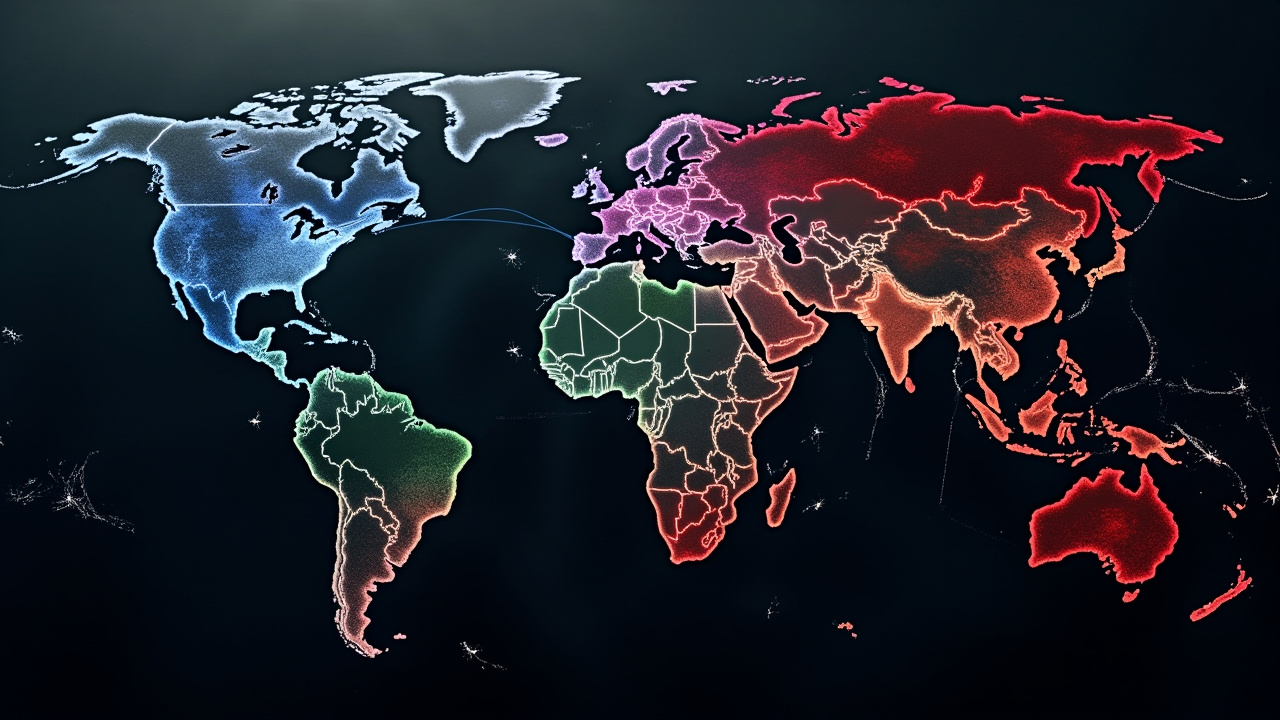
The fundamental tension in AI governance mirrors longstanding debates in technology regulation. The European Union’s comprehensive AI Act, which came into full force in 2025, represents the most restrictive approachu2014a precautionary framework that categorizes AI systems by risk level and imposes strict requirements on high-stakes applications. Critics argue this approach stifles innovation and cedes competitive advantage to less cautious jurisdictions.
The United States has largely favored industry self-regulation and executive guidance over binding legislation. This approach has allowed American companies to move fastu2014but at what cost? Without guardrails, we’ve seen algorithmic bias in hiring, deepfakes disrupting elections, and autonomous systems making life-and-death decisions without adequate oversight.
China represents a third path entirelyu2014government direction of AI development with explicit political objectives. This has enabled rapid deployment but raises profound questions about surveillance, control, and the role of technology in authoritarian contexts.
Global Coordination: A Fragile Consensus
Perhaps the most significant development of 2026 has been the emergence of the International AI Safety Consortium (IASC), a body established under UN auspices that brings together 47 nations in an attempt to harmonize AI governance standards. While the consortium has achieved notable successesu2014including a landmark agreement on transparency requirements for frontier AI modelsu2014deep disagreements persist, particularly between Western nations and China over data sovereignty and algorithmic accountability.
Industry’s Paradoxical Role
The technology sector’s relationship with AI regulation has grown increasingly paradoxical. On one hand, major AI developers including Anthropic, Google DeepMind, and OpenAI have publicly advocated for comprehensive federal regulation, recognizing that uncertainty is bad for business and that self-governance has proven insufficient. On the other hand, these same companies spend millions annually lobbying against specific provisions they view as threatening to their competitive position.
What Must Happen Now
The coming months represent a critical window. Three actions are essential:
- International coordination: AI doesn’t respect borders. Patchwork national regulations create loopholes.
- Meaningful transparency: Companies must disclose training data sources and model capabilities.
- Accountability mechanisms: When AI systems cause harm, there must be clear paths to redress.
The Road Ahead
As 2026 unfolds, the world stands at a critical inflection point. The regulatory choices made in the next 18-24 months will likely determine the trajectory of AI development for decades to come. Whether nations can transcend narrow national interests to forge genuinely global governance frameworksu2014while simultaneously preserving the innovation that makes AI potentially transformativeu2014remains the central question of our technological age.
The clock is ticking. The decisions being made in Brussels, Washington, Beijing, and a dozen other capitals right now will echo through history. For better or worse, 2026 may indeed prove to be the year that defined the future of artificial intelligenceu2014and with it, the future of human civilization itself.