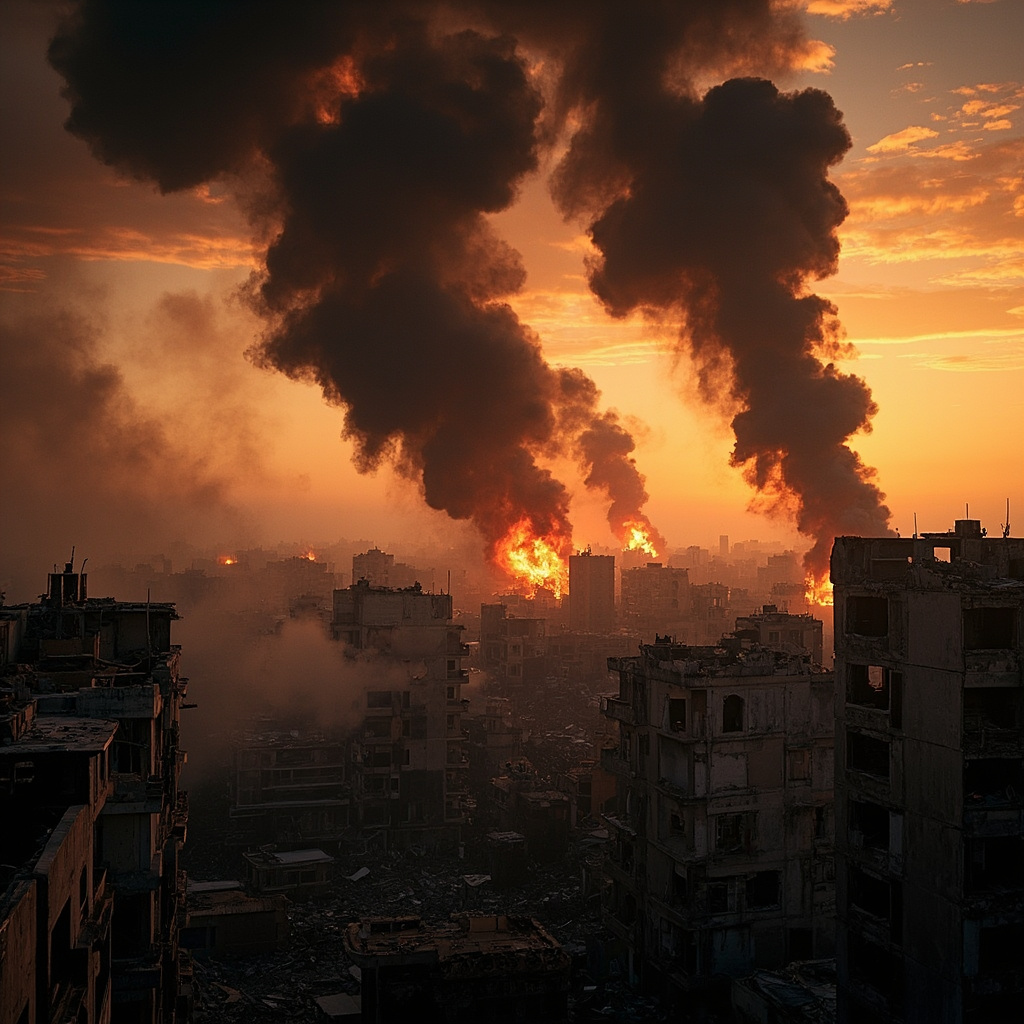
Israeli warplanes struck across Lebanon on Wednesday in the deadliest single day of bombing since the 2006 war, killing at least 357 people including 50 children. The strikes targeted what Israel called Hezbollah infrastructure, but Lebanese officials say entire families were buried under rubble in residential buildings.
The Scale of Destruction
The Lebanese Health Ministry reported 357 confirmed dead and more than 1,100 wounded by nightfall, with the toll expected to rise as rescue teams dig through collapsed apartment blocks in southern Beirut, Sidon, and the Bekaa Valley. Among the dead were 50 children, according to UNICEF, which called the day “a catastrophe for Lebanon’s youngest.”
The Israeli military said it struck 1,300 targets in a 24-hour operation it named “Northern Shield,” claiming to have destroyed Hezbollah rocket depots, command centres, and weapons workshops. But videos circulating on social media showed rescue workers pulling bodies from civilian buildings in densely populated neighbourhoods, and the Lebanese government accused Israel of “collective punishment.”
International Condemnation
The United Nations Security Council convened an emergency session late Wednesday, with Secretary-General António Guterres calling for “an immediate cessation of hostilities and a return to diplomatic channels.” The European Union’s foreign policy chief issued a statement expressing “grave concern” and urging both sides to respect international humanitarian law.
In Washington, the White House said President Trump had spoken with Israeli Prime Minister Netanyahu by phone and “reaffirmed Israel’s right to defend itself against terrorist threats.” The statement made no mention of civilian casualties. Congressional Democrats, however, demanded a briefing from the administration, with Senator Elizabeth Warren calling the strikes “disproportionate and morally indefensible.”
Hezbollah’s Response
Hezbollah launched more than 200 rockets into northern Israel in retaliation, killing four Israeli civilians and wounding dozens more. The group’s leader, Hassan Nasrallah, vowed in a televised address that “the resistance will not be broken” and promised “a response that Israel will remember for generations.”
The exchange has raised fears of a full-scale war between Israel and Hezbollah, which last fought a devastating 34-day conflict in 2006 that killed over 1,100 Lebanese and 165 Israelis. Diplomats in Paris and Doha are scrambling to broker a de-escalation, but both sides appear to be digging in for a prolonged confrontation.
Humanitarian Crisis Deepens
Lebanon was already in the grip of one of the world’s worst economic crises before Wednesday’s strikes. The country’s currency has collapsed, hospitals are short of medicine, and electricity is available only a few hours a day. The new bombardment has overwhelmed medical facilities, with doctors performing amputations by flashlight and patients lying on hallway floors.
The International Committee of the Red Cross appealed for an immediate humanitarian corridor to allow aid into southern Lebanon, warning that “without safe access, thousands more could die from treatable injuries.” The World Food Programme said it was suspending operations in the affected areas until security guarantees could be secured.
What Happens Next
With neither side showing signs of backing down, the region faces its most dangerous moment in nearly two decades. The United States has moved additional naval assets to the eastern Mediterranean, while Iran — Hezbollah’s primary backer — warned that “the Zionist regime will pay a heavy price for its crimes.”
For the people of Lebanon, already battered by years of political paralysis and economic ruin, Wednesday’s bloodshed marks yet another chapter in a seemingly endless cycle of violence. As one survivor in Sidon told a local reporter: “We have no shelters, no electricity, no government. Just bombs. Again.”