Israel-Hezbollah Conflict Escalates: Airstrikes Kill Five in Southern Lebanon as Cross-Border Rocket Fire Intensifies
Israeli airstrikes killed five people in southern Lebanon on Thursday, according to Lebanese health officials, while Hezbollah militants launched rockets into open areas inside Israel — the most intense exchange of fire since a fragile ceasefire took effect earlier this year. The violence threatens to unravel a diplomatic arrangement that had largely held for months, drawing urgent concern from the United Nations and Western governments.
What Happened
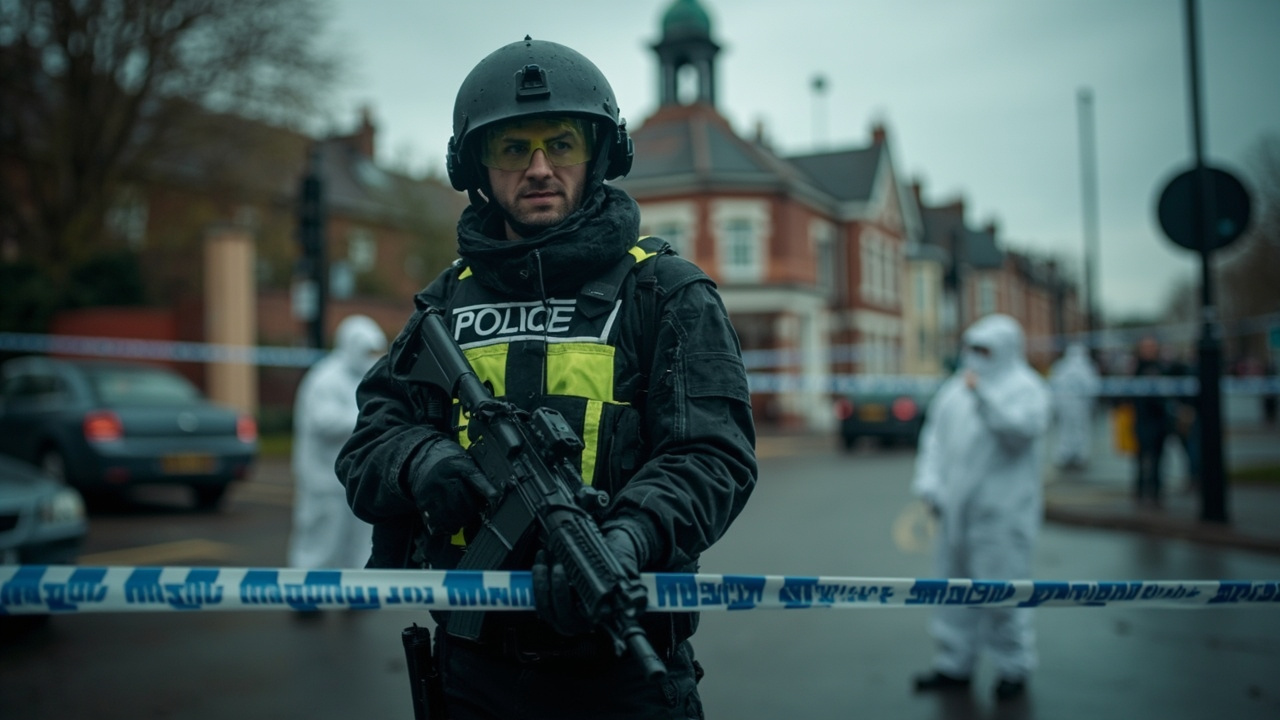
Israeli forces struck a position in southern Lebanon on Wednesday, killing a senior Hezbollah commander from the elite Radwan Force — the first Israeli strike on Beirut’s southern suburbs since the ceasefire agreement was announced. Within hours, Hezbollah responded with a barrage of rockets fired into northern Israel, prompting air raid sirens across several communities and sending residents to shelters.
Lebanese officials confirmed that five people died in the Israeli strikes. The IDF said the strikes targeted “terrorist infrastructure” and that the Radwan Force commander was eliminated as part of an ongoing operation against threats to Israeli civilians. The Hezbollah commander was identified as a senior figure responsible for planning cross-border attacks.
“This is not another Covid. But we are monitoring the situation closely and remain in contact with both parties.” — WHO Director-General Tedros Ghebreyesus
The Casualties and Damage
The death toll stands at five, with at least twelve people wounded, according to the Lebanese Ministry of Public Health. Israeli authorities reported no injuries on their side from the Hezbollah rocket barrage, though several buildings sustained damage from shrapnel in open areas near the border.
| Incident | Location | Confirmed Dead | Injured |
|---|---|---|---|
| Israeli Airstrike | Southern Lebanon suburbs | 5 | 12+ |
| Hezbollah Rocket Barrage | Northern Israel open areas | 0 | 0 (structures damaged) |
| Radwan Force Commander Strike | Beirut southern suburbs | 1 (target only) | Unknown |
Ceasefire Under Pressure
The exchange marks the most serious breach of a ceasefire arrangement that had largely halted major hostilities between Israel and Hezbollah since it was brokered earlier this year. That deal, supported by the United States, France, and the United Nations, was intended to create a durable cessation of hostilities along the Israel-Lebanon border after more than a year of sustained conflict.
Despite the ceasefire announcement, both sides have repeatedly accused each other of violations. Israel has conducted periodic strikes targeting Hezbollah personnel and weapons facilities, arguing that the group continues to rearm and prepare attacks. Hezbollah has insisted it retains the right to respond to what it calls Israeli provocations, including overflights and strikes inside Lebanese territory.
“We will not stand by while our infrastructure is targeted. Our response is measured but firm, and it will continue as long as Israeli aggression persists.” — Senior Hezbollah official, statement to Reuters
International Response
The United Nations Special Coordinator for Lebanon called for an immediate halt to all hostilities and urged both parties to return to the terms of the ceasefire agreement. The European Union warned that the violence risks destabilising the broader region at a time when diplomatic efforts are focused on de-escalation.
Iran, Hezbollah’s primary regional patron, also weighed in sharply — accusing the United States of orchestrating what it called a “reckless military adventure.” Iranian Foreign Minister Abbas Araghchi said the strikes undermined diplomatic pathways and warned of consequences if the violence escalated further.
What’s at Stake
The renewed fighting comes at a particularly sensitive moment for Lebanon, which is in the final stages of selecting a new president after years of political paralysis. Lebanese President Joseph Aoun, elected earlier this year with strong international backing, has made restoring state authority and extending government control over the entirety of Lebanese territory — including areas under Hezbollah influence — a central priority. The violence complicates that effort significantly.
For Israel, the strike on the Radwan Force commander represents a continuation of its stated policy of targeting Hezbollah leadership even under the ceasefire framework. The IDF has repeatedly argued that the group’s continued military presence in southern Lebanon constitutes a violation of the agreement’s terms and that preemptive action is necessary to protect Israeli civilians.
Outlook
UN peacekeepers stationed along the Lebanon-Israel border have reported heightened tension but say they are maintaining their positions. Diplomatic channels remain open, according to Western officials, though no immediate ceasefire talks are scheduled. Analysts warn that without swift international intervention, the latest exchange could trigger a broader cycle of retaliation.
For communities on both sides of the border, the violence is a painful reminder that the ceasefire, while it held for months, never fully resolved the underlying tensions. Residents on the Israeli side have largely returned to their homes, but many say they remain随时准备撤离 at a moment’s notice.