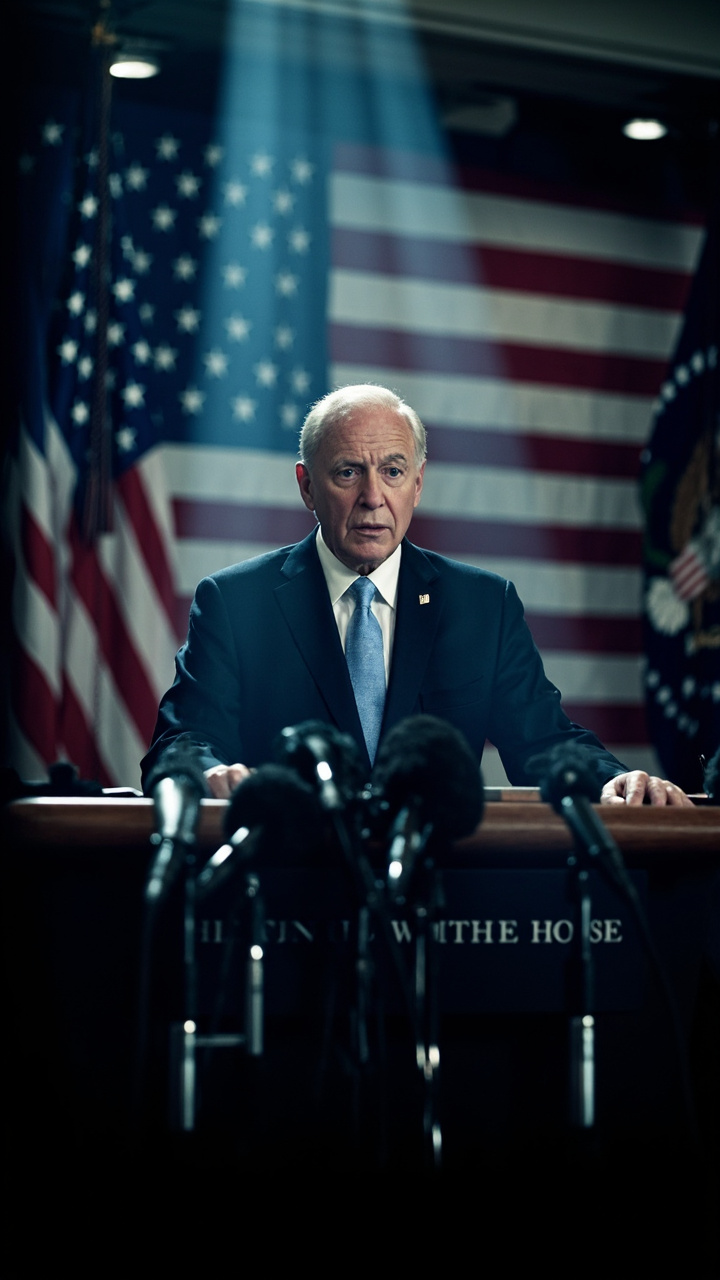
The Six-Hour Marathon
Defense Secretary Pete Hegseth endured a grueling six-hour testimony before congressional committees Tuesday, defending the administration’s handling of the escalating Iran conflict amid mounting questions over strategy, costs, and transparency. The marathon session marked the most intense scrutiny of military leadership since the conflict began 61 days ago.
From the opening gavel, committee members pressed Hegseth on the $25 billion already expended in operations against Iranian targets. Representative Jason Crow (D-CO) opened the questioning: ‘We’re hemorrhaging taxpayer dollars while the American people are being told this will be quick. What’s the real price tag?’ Hegseth maintained that the Pentagon’s projections remain classified but acknowledged the figure was ‘within expected operational parameters for a conflict of this scope.’
Clashes Over War Powers
The hearing’s most heated exchanges centered on the administration’s authority to expand operations without congressional approval. Senator Elizabeth Warren pressed Hegseth on reports of special forces operating inside Iranian territory beyond the initial defensive mandate. ‘We were told this was about protecting shipping lanes and regional allies,’ Warren stated. ‘Now we’re hearing about boots on Iranian soil. Which is it?’
Hegseth defended the administration’s position, arguing that intelligence assessments required ‘proactive measures’ to prevent further escalation. He declined to confirm or deny specific operations, citing operational security, but emphasized that all actions fell within the president’s constitutional authority as commander-in-chief.
The Human Cost
Beyond financial figures, committee members highlighted the human toll. Representative Seth Moulton (D-MA), a Marine veteran, shared correspondence from military families questioning the mission’s clarity. ‘My constituents want to know what their sons and daughters are fighting for,’ Moulton said. ‘Sixty-one days in, and the answer keeps changing.’
Hegseth responded by highlighting casualty rates he described as ‘historically low for an operation of this intensity,’ while acknowledging the loss of 14 service members in the past week. He announced expanded mental health support for deployed personnel and promised monthly briefings to congressional leadership.
Allies and Exit Strategy
Republican members focused on alliance coordination and endgame planning. Senator Tom Cotton (R-AR) questioned whether European partners were pulling their weight, noting that several NATO members had declined direct combat roles. Hegseth confirmed ongoing negotiations for expanded burden-sharing but declined specifics.
When pressed by Senator Angus King (I-ME) on exit criteria, Hegseth offered three conditions: verified dismantling of Iran’s nuclear enrichment capabilities, cessation of state-sponsored attacks on commercial shipping, and establishment of a regional monitoring framework. He declined to provide a timeline, stating that ‘artificial deadlines empower adversaries.’
Political Fallout
The testimony’s immediate political impact was evident within hours. Progressive groups announced plans for nationwide protests this weekend, while several moderate Democrats signaled openness to supporting a revised war powers resolution. Speaker Mike Johnson indicated the House would vote next week on supplemental funding, though progressive caucus members threatened to withhold support without clearer mission parameters.
Overseas, Iranian state media portrayed the hearing as evidence of American ‘confusion and desperation,’ while Israeli officials praised Hegseth’s firm stance. The Kremlin offered to mediate talks, a proposal the State Department brushed aside as ‘not serious.’
What Happens Next
The six-hour session concluded with Hegseth committing to provide classified briefings to the Gang of Eight within 48 hours and a public progress report within ten days. Committee chairs from both parties indicated follow-up hearings were likely, with Senator Jack Reed (D-RI) stating the Senate Armed Services Committee would hold weekly sessions ‘until we have clarity.’
As the administration seeks additional funding and expanded authorities, Tuesday’s testimony underscored the challenge of sustaining public and congressional support for an open-ended military commitment. With costs mounting and casualties climbing, the question of what victory looks like remains unanswered — a reality both parties acknowledged, even as they diverged sharply on what to do about it.