Tehran Signals Willingness to Accept Enhanced Monitoring
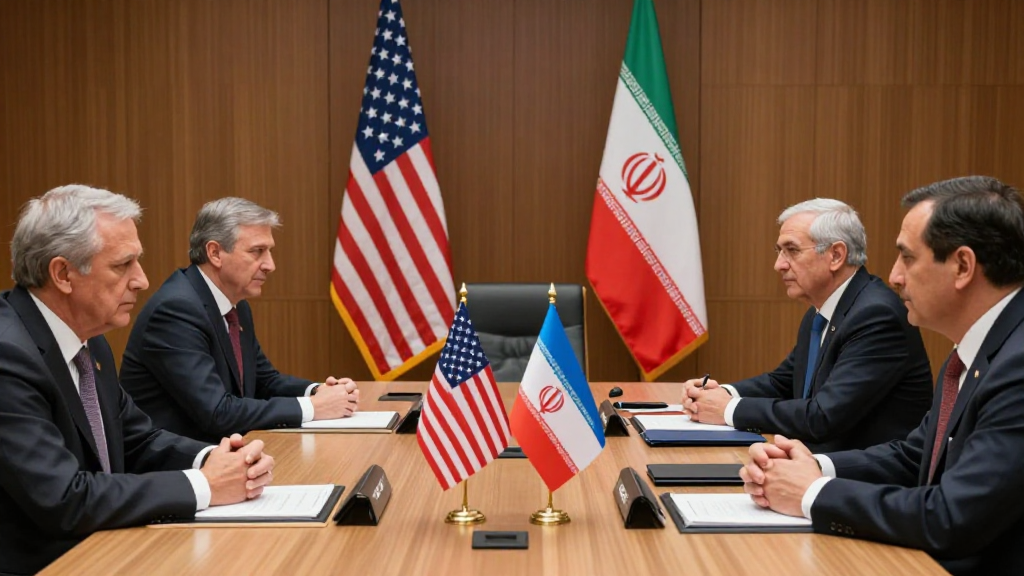
Iranian officials signaled this week a significant shift in their position on nuclear monitoring, indicating a willingness to accept enhanced International Atomic Energy Agency inspection protocols as part of a comprehensive nuclear agreement. The development comes after months of stalled negotiations and represents what analysts describe as the most substantive movement toward a deal in years.
The announcement follows a rare direct meeting between Iranian Foreign Minister Abbas Araghchi and European Union foreign policy chief Kaja Kallas in Geneva, where both sides agreed to resume full nuclear talks by the end of the month. The meeting, described by EU officials as “constructive and candid,” marked the first high-level bilateral engagement between Iran and European powers since Tehran accelerated its uranium enrichment program last autumn.
“We are prepared to discuss modalities that provide credible assurances without compromising our sovereign rights,” Iran’s Deputy Foreign Minister Majid Takht-Ravanchi told state media following the Geneva session. “The path forward requires mutual respect and a genuine willingness to address the concerns of all parties.”
US Secretary of State Arrives in Doha for Regional Shuttle Diplomacy
US Secretary of State Marco Rubio arrived in Doha on Monday as part of a broader regional shuttle aimed at consolidating the fragile US-Iran ceasefire and laying the groundwork for a permanent nuclear accord. Rubio is scheduled to hold separate meetings with Qatari Prime Minister Sheikh Mohammed bin Abdulrahman Al Thani and Omani Foreign Minister Badr al-Busaidi, both of whom have played mediating roles throughout the current diplomatic process.
Qatar’s foreign ministry issued a statement welcoming Rubio’s visit, reaffirming Doha’s commitment to facilitating “dialogue that promotes regional stability and addresses the legitimate concerns of all parties.” The tiny Gulf emirate has hosted multiple rounds of indirect US-Iran talks over the past two years and is widely credited with keeping communication channels open during periods of acute crisis.
Senior State Department officials, speaking on background, said Rubio’s visit reflects a strategic assessment that the current diplomatic window is “narrow but real.” The officials noted that Iran’s new leadership, having consolidated power following Supreme Leader Ayatollah Ali Khamenei’s death, appears more willing to negotiate on the nuclear file than its predecessor government.
China and Russia Push for Accelerated Negotiations
China and Russia, both permanent members of the Joint Comprehensive Plan of Action oversight commission, issued a rare joint statement calling for an accelerated negotiation timeline. The two nations, which have maintained economic ties with Iran throughout the sanctions regime, urged Western parties to remove economic restrictions “in good faith and without unnecessary preconditions” as part of any revived agreement.
Chinese Special Envoy Li Huailing met separately with Iranian and American officials in Beijing last week, underscoring Beijing’s interest in a stable energy market and a reduction in regional tensions that have disrupted global oil flows. Russia, for its part, has sought to position itself as a key broker, hosting preliminary discussions in Moscow that paved the way for the Geneva meeting.
What Comes Next
The next critical milestone is a formal negotiating session scheduled for July 15 in either Vienna or Muscat, where delegations from all parties will present detailed proposals on uranium enrichment limits, sanctions relief sequencing, and verification mechanisms. The IAEA has quietly resumed some monitoring activities at Iranian nuclear sites that were suspended last year, a development the agency described as “a positive first step.”
Major open questions remain, including whether Iran will agree to restrict enrichment to levels below weapons-grade purity for a defined period, and whether the US Congress will support waiving congressionally mandated sanctions even if a deal is reached. Analysts warn that domestic political pressures on all sides could derail negotiations in the final stages, and that enforcement provisions must be robust enough to survive changes in government.
Qatar, Oman, and Switzerland have all signaled willingness to serve as venue guarantors for the talks, though formal hosting agreements have not yet been finalized. The European Union is expected to put forward a draft text within two weeks, a move that diplomats say could either accelerate progress or expose fundamental disagreements that have thus far been papered over in vague communiques.