Putin proposes a 3-day Victory Day ceasefire during a 90-minute call with Trump, but Zelensky demands clarity on what the offer actually means for Ukraine.

The Proposal
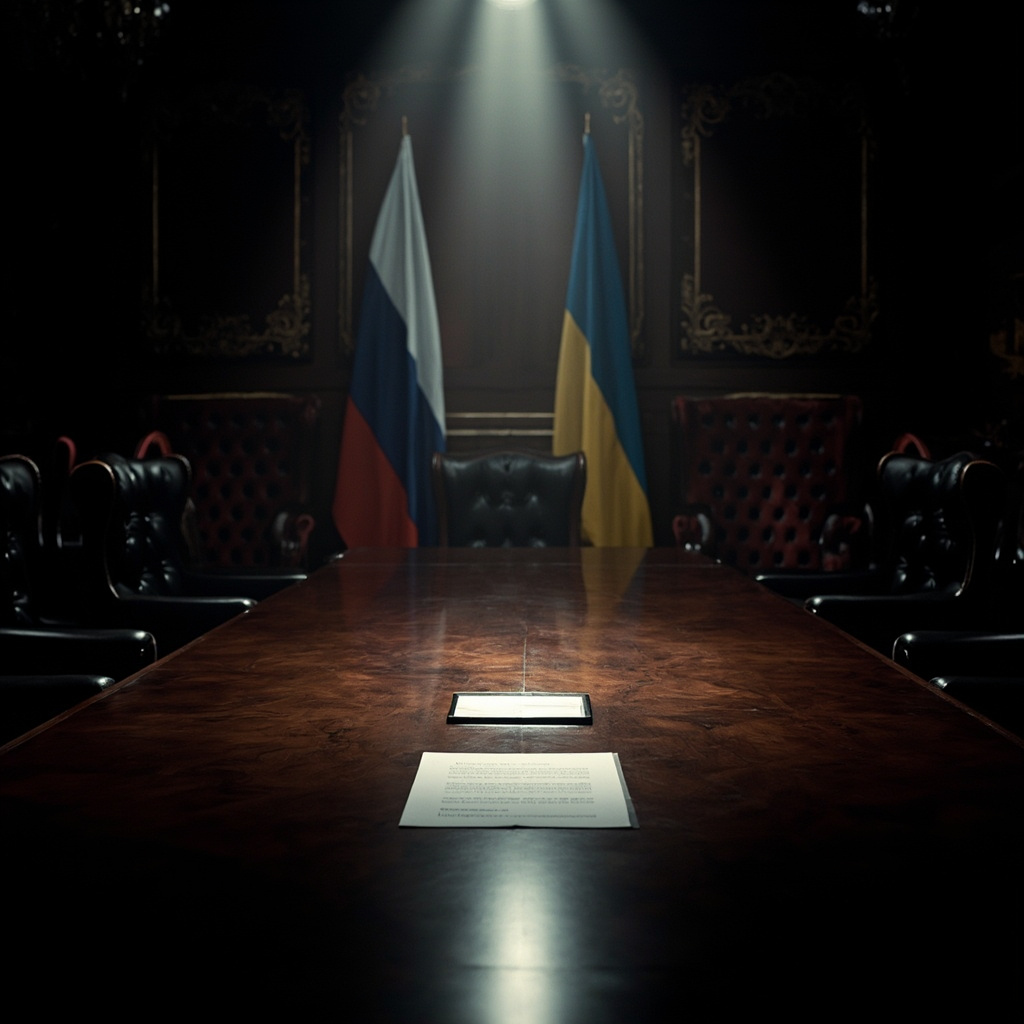
Russian President Vladimir Putin has proposed a three-day ceasefire in Ukraine to coincide with Victory Day celebrations on May 9, according to statements from the Kremlin following a 90-minute phone call between Putin and US President Donald Trump on Wednesday.
The proposed truce would begin on May 8 and extend through May 10, covering the annual commemoration of the Soviet Union’s defeat of Nazi Germany in World War II — a date of enormous symbolic importance in Russia. The Kremlin described the conversation as “constructive and substantive,” with both leaders expressing willingness to continue dialogue on ending the broader conflict.
Trump, speaking to reporters after the call, said he believed Putin was “serious about peace” and that the ceasefire could be a “first step toward something much bigger.” The US president has made resolving the Ukraine conflict a centrepiece of his foreign policy agenda since returning to office.
Zelensky’s Response
Ukrainian President Volodymyr Zelensky responded cautiously but firmly, demanding that Trump provide a detailed explanation of what the ceasefire proposal actually entails and what commitments Russia has made.
“We have seen ceasefire promises before,” Zelensky said in his nightly address from Kyiv. “Every time, Russia has used pauses to reposition forces, resupply units, and prepare the next offensive. We need guarantees, not gestures timed for television cameras.”
Zelensky outlined several conditions Ukraine would need addressed before considering any truce: a clear mechanism for monitoring compliance, international observers on the front lines, and a commitment that any ceasefire would not freeze the conflict along current battle lines — effectively rewarding Russia’s territorial gains.
The Victory Day Context
Putin’s choice of dates is deeply symbolic. Victory Day on May 9 is Russia’s most important secular holiday, marked by massive military parades in Moscow’s Red Square and celebrations across the country. The Kremlin has historically used the occasion to project strength and national unity.
A ceasefire during Victory Day would allow Putin to present himself domestically as a peacemaker while simultaneously demonstrating that Russia controls the tempo of the conflict. Military analysts note that a three-day pause carries minimal strategic cost for Moscow while generating significant diplomatic goodwill.
“This is classic Putin,” said Dr. Maria Lipman, a political analyst at the Carnegie Moscow Center. “He gets to look reasonable on the world stage, celebrate Victory Day without the backdrop of ongoing casualties, and put the burden of response on Ukraine and the West.”
International Reaction
European leaders expressed cautious optimism tempered by deep scepticism. German Chancellor said any ceasefire must be “verifiable and meaningful,” while French President urged both sides to use the window for genuine diplomatic progress.
NATO Secretary General noted that previous Russian ceasefire announcements — including the Orthodox Christmas truce of January 2023 — were either ignored by Russian forces or used to consolidate military positions. “We will judge this by actions, not words,” he said.
The United Kingdom’s Foreign Office issued a more pointed statement, noting that “a three-day pause is not a peace plan” and urging the United States to pressure Russia into comprehensive negotiations rather than symbolic gestures.
What Happens Next
The coming days will be critical. Trump indicated he would speak with Zelensky within 48 hours to discuss the proposal and coordinate a joint response. The White House has dispatched special envoy Keith Kellogg to Kyiv for in-person consultations.
Meanwhile, fighting continues along the entire front line. Ukrainian military officials reported intensified Russian assaults near Pokrovsk and Chasiv Yar in the Donetsk region, with both sides suffering heavy casualties. Satellite imagery shows Russian forces fortifying positions in occupied Zaporizhzhia — preparations inconsistent with a genuine intention to pause hostilities.
The ceasefire proposal arrives at a moment of acute pressure for Ukraine. Western military aid has slowed, ammunition stocks are critically low, and exhaustion is spreading through Ukrainian ranks after more than four years of continuous combat. For Kyiv, accepting a symbolic ceasefire without substance risks demoralising both the military and civilian population.
For now, the world watches to see whether Putin’s proposal is a genuine opening for peace — or another performance in a war that has already claimed hundreds of thousands of lives.