Putin Rejects Ukraine Ceasefire Proposal as Drone Strikes Hit Russian Refineries
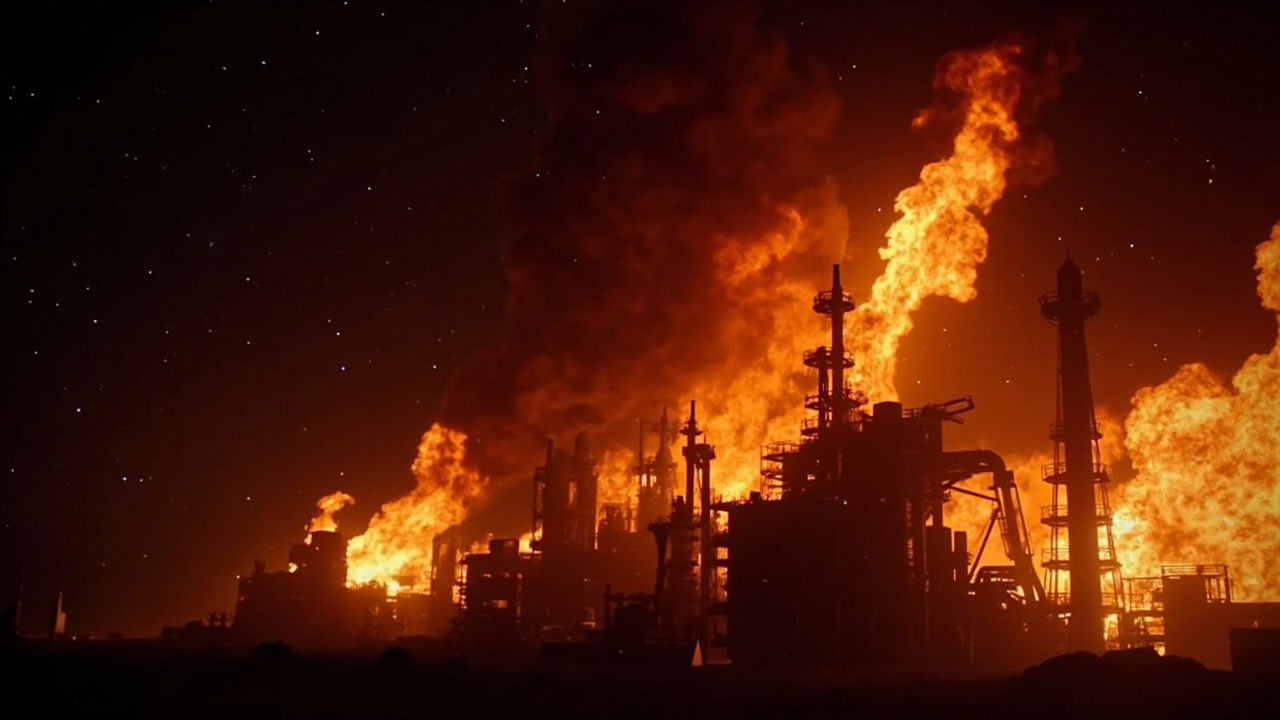
Russian President Vladimir Putin has rejected a Ukrainian proposal to limit the use of long-range missiles and halt cross-border hostilities, dismissing Kyiv’s ceasefire overture as an attempt to buy time as Ukrainian drone strikes continue to inflict significant damage on Russia’s energy infrastructure.
In an interview with Russia’s state television service broadcast on Sunday, Putin said Ukraine had proposed a mutual halt to long-range attacks as a preliminary step toward broader peace negotiations. The Russian leader rejected the offer outright, arguing that Kyiv’s counteroffensive capabilities had been degraded beyond the point where such a pause would benefit Ukrainian forces.
“It is clear why this proposal is being made because our counterstrikes deep into Ukrainian territory are much stronger, have greater impact and are, frankly, more destructive,” Putin said in the televised interview. “Given their catastrophic shortage of personnel, the Ukrainian armed forces apparently believe this could be their salvation. But saving the Kyiv regime is not part of our plans.”
Ukraine Intensifies Strikes on Russian Energy Sites
The diplomatic rejection came as Ukraine pressed its campaign against Russian energy infrastructure. President Volodymyr Zelenskyy said on Sunday that Ukrainian forces had struck the Slavyansk and Yaroslavl oil refineries in overnight drone attacks — approximately 300km and 700km from the front line, respectively.
A fire broke out at the Slavyansk-na-Kubani refinery in Russia’s Krasnodar region, according to Governor Veniamin Kondratyev, who reported one civilian fatality and damage to surrounding houses. The Yaroslavl region, northeast of Moscow, was also targeted, with Governor Mikhail Yevrayev confirming drone activity and temporary road closures in the regional capital.
“We continue our operations that weaken Russia’s ability to wage this war,” Zelenskyy wrote on social media. “Each attack means fewer resources serving Russia’s war machine.”
Ukraine’s refinery campaign has accelerated in recent weeks. Last week, Ukrainian long-range drones struck fuel facilities in Kerch, Crimea, and Port Kavkaz in Krasnodar — both critical nodes in Russia’s military logistics chain. Electricity infrastructure was also hit, prompting the suspension of fuel sales in Crimea.
Western Allies React to Battlefield Dynamics
The confluence of Kyiv’s diplomatic feeler and its intensified military strikes on Russian soil has deepened divisions among Western allies over how to sustain support for Ukraine while exploring potential off-ramps to end the conflict.
“Russia has a significantly greater capacity for long-range attacks,” Ian Lesser, a distinguished fellow at the German Marshall Fund of the United States, told Al Jazeera. He noted that Putin’s rejection reflects a broader calculation that Moscow’s advantage in artillery and personnel along the 1,250km front line makes any operational pause strategically untenable for Russia.
French President Emmanuel Macron has led recent European efforts to broker an interim ceasefire, particularly along the contested border regions. But the failure of the long-range strike proposal underscores how far apart the two sides remain on even preliminary confidence-building measures.
The Kremlin has said it remains open to negotiations but insists any framework must acknowledge the territorial realities established since February 2022 — a position Ukraine and its Western supporters have repeatedly rejected as a capitulation demand.
Human Toll on Both Sides of the Front
Along the front line, the human cost continued to mount. Russian air defence forces intercepted 117 Ukrainian drones across Kursk and Belgorod regions within a 24-hour period, according to regional governors cited by the TASS news agency. In the Belgorod region, which borders northeastern Ukraine, one civilian was killed in the Shebekinsky district during 64 separate drone attacks.
On the Ukrainian side, Russian strikes killed at least four people on Sunday — two in Zaporizhzhia and two in Kharkiv, according to local officials. The strikes add to a civilian casualty toll that United Nations monitors have described as among the highest of any ongoing armed conflict globally.
Ukrainian officials have not publicly confirmed or denied sending the proposal that Putin described, maintaining a policy of diplomatic silence around ceasefire negotiations. Kyiv’s position, repeatedly stated by Zelenskyy, is that any halt to hostilities must include a verifiable Russian withdrawal — a condition Moscow has shown no willingness to meet.
Diplomatic Channels Remain Open Despite Rejection
Despite Putin’s public dismissal, diplomatic channels remain active. Turkish officials have offered to host a new round of indirect talks, building on the Istanbul negotiating framework that produced short-lived humanitarian pauses earlier in the war. Qatari mediators have also signalled continued availability as a neutral venue for any future discussions.
Senior officials from three European Union member states told Reuters that behind-the-scenes contacts between Russian and Ukrainian envoys have occurred in recent weeks through third-party intermediaries, though none of those conversations produced a formal agenda.
What happens next will likely depend on the outcome of the summer military campaign. With both sides pouring resources into drone and missile strikes targeting each other’s energy and logistics infrastructure, neither appears willing to accept the other’s minimum conditions — but neither can afford the economic and human costs of indefinite escalation.
International observers say the window for a negotiated settlement narrows with each passing month, as battlefield casualties accumulate and both populations grow more entrenched. For now, the diplomatic off-ramps remain open in theory — but the roadmap to reach them has never looked more distant.