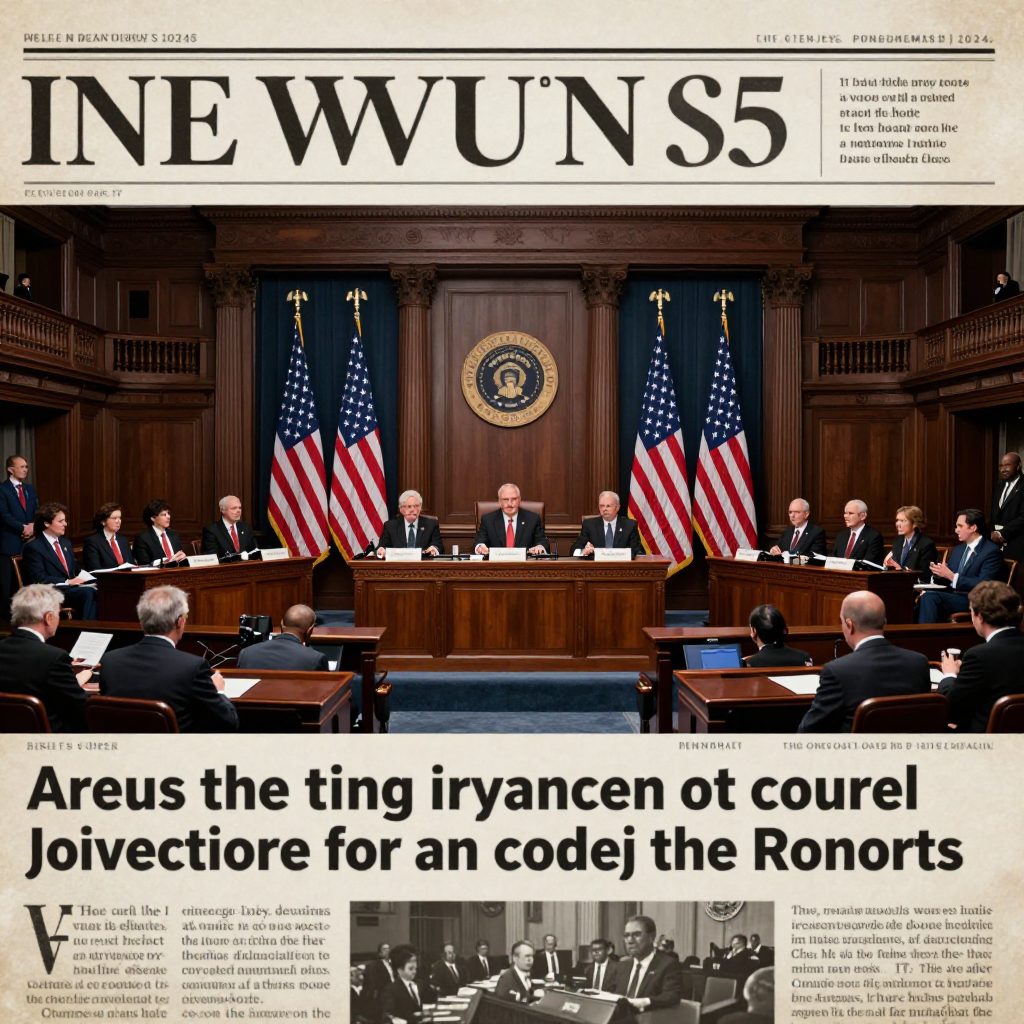
Senate Republicans Forge Ahead on Sweeping Tax and Immigration Package
Senate Republicans pushed forward late Tuesday on a massive legislative package combining steep tax cuts with sweeping immigration restrictions, clearing a critical procedural hurdle in a marathon vote-a-rama that stretched into the early hours of Wednesday morning. The bill, a cornerstone of the Trump administration’s second-term agenda, passed on a near-party-line vote after more than 14 hours of continuous floor debate and dozens of amendment votes.
The legislation extends the individual tax cuts first enacted in the 2017 Tax Cuts and Jobs Act permanently, while also reinstating hardline immigration enforcement measures including the remain-in-Mexico policy, expedited deportation authority, and a near-complete suspension of the refugee resettlement program. The combined package carries an estimated $4.2 trillion price tag over a decade, according to the Congressional Budget Office.
“This is the most consequential legislation we will pass in this Congress,” said Senate Majority Leader Sen. Thune of South Dakota from the chamber floor. “We are delivering on every promise we made to the American people.”
Democratic Leaders Denounce Package as Reckless and Dangerous
Senate Minority Leader Sen. Jeffries of New York condemned the package in a floor speech delivered shortly before the final vote, warning that the legislation would gut social safety net programs to fund tax breaks for corporations and the wealthiest Americans. “The American people did not ask for a package that slashes food assistance, cuts Medicaid, and hands billions to those who need it least,” Jeffries said. “They asked for relief, and this bill betrays that trust.”
Three moderate Republican senators — Collins of Maine, Murkowski of Alaska, and Burr of North Carolina — broke ranks to vote against the procedural motion, citing concerns over the deficit impact and the inclusion of immigration provisions they said belonged in a separate debate. Their opposition had been widely anticipated but was not enough to block the measure from advancing, with the final vote landing at 52-48.
The immigration portions of the bill have drawn particular scrutiny from advocacy groups, who warn that the expanded expedited removal authority could be used against U.S. citizens and lawful permanent residents without adequate due process protections. The American Civil Liberties Union and the National Immigrant Justice Center have both announced plans to challenge the legislation in federal court.
House Passage Uncertain as Republicans Face Internal Divisions
Even as Senate Republicans celebrated the passage, the path forward in the House remains deeply uncertain. House Speaker Mike Johnson faces a razor-thin majority and significant internal divisions between fiscal hawks who oppose the deficit impact and hardline immigration advocates demanding even stricter measures than what the Senate passed.
“The Senate bill is a starting point, not a finish line,” Johnson told reporters outside the Capitol. “We will negotiate, we will make changes, and we will produce a final product that can pass the House.” Several conservative House members have already publicly stated they will not vote for any bill that does not include a full nationwide ban on sanctuary city policies.
Progressives in the House Democratic caucus, meanwhile, called for an immediate coalition of moderate Republicans to defeat the measure on the House floor, pointing to polling data showing broad public opposition to cuts in social welfare programs. The House is not expected to take up the measure until at least next week, giving both sides time to pressure wavering members.
President Trump expressed full support for the Senate-passed package in a post on social media, calling it “a beautiful bill” and urging the House to act quickly. The White House has indicated the President is prepared to sign the final legislation within days of House passage, setting up a potential final showdown over the summer recess.
What happens next in the coming weeks will test whether congressional Republicans can maintain party unity through a conference committee process that will reconcile the Senate and House versions. With midterm elections approaching, both sides recognize the political stakes — and the political rewards — of claiming credit or blame for one of the most expansive legislative packages in recent American history.