Senate Reversal Delivers Trump Victory on Iran War Powers Resolution
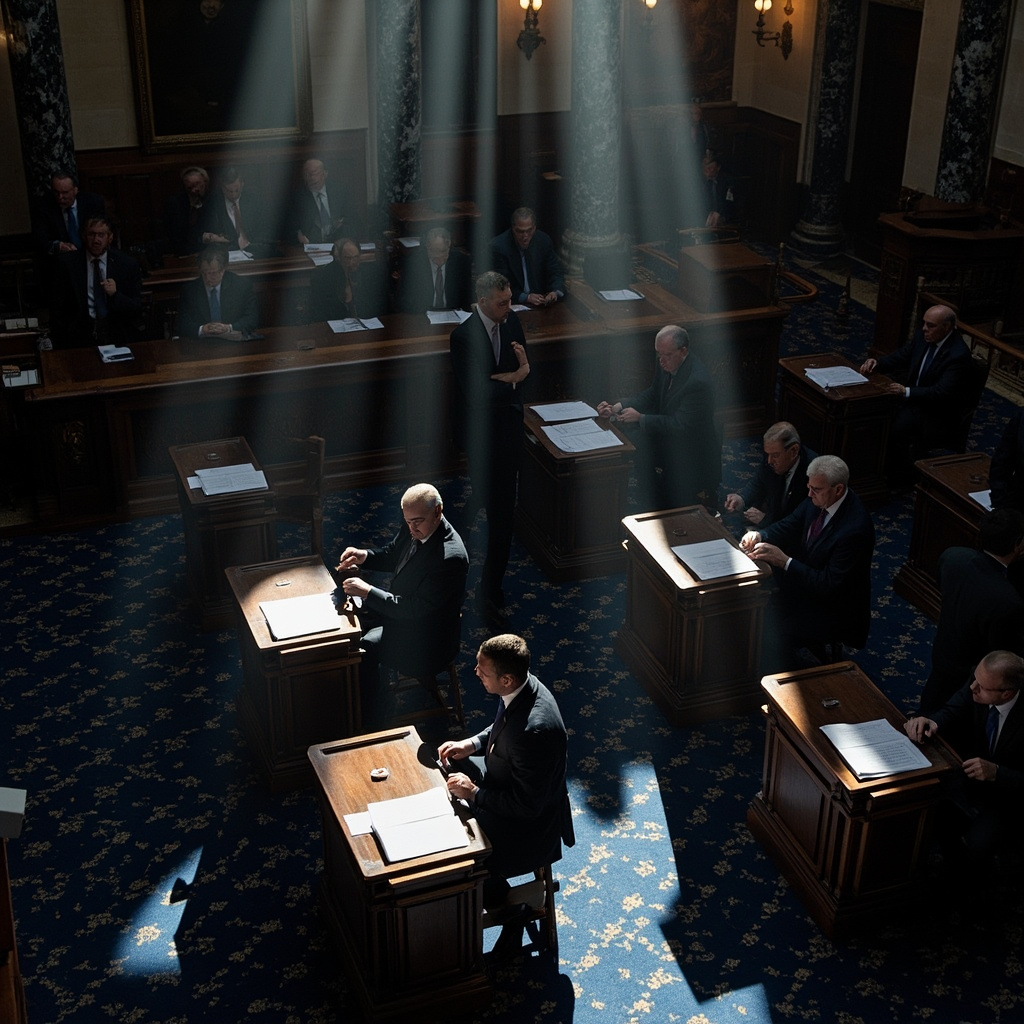
The United States Senate voted late Wednesday to block a war powers resolution aimed at reining in President Donald Trump’s authority to wage war in Iran, delivering the president a significant legislative victory just days after a separate measure had briefly advanced against his administration. The final tally of 47 votes in favor, 50 against, and one present marked a striking reversal from earlier in the week and underscored the pressure the White House is willing to apply to secure Republican loyalty on matters of military conflict.
The resolution sponsored by Democratic Senator Tim Kaine of Virginia sought to limit Trump’s ability to conduct military operations against Iran without explicit congressional authorization. It had narrowly advanced in a prior procedural vote, suggesting momentum among Senate Republicans for some form of constraint on the executive branch. That momentum evaporated within hours. Senator Bill Cassidy of Louisiana, who had publicly clashed with Trump during a lunch meeting at the Capitol, reversed his position and voted with the majority of Republicans to block the measure from advancing further. His switch proved decisive in a chamber where the margins are razor thin and every individual vote carries disproportionate weight.
The Vote That Shifted
Cassidy’s turnaround came after what sources described as an unusually heated exchange with the president during a lunch between Trump and the Senate Republican conference. According to Cassidy, Trump called him a “lunatic” during the meeting. Cassidy did not dispute the characterization when pressed by reporters afterward, though he acknowledged that the exchange had been heated. The senator later said he lost his temper with the president and made his views known directly.
“I want to thank Vice President Vance and Special Envoy Steve Witkoff for the thorough briefing this afternoon on Iran,” Cassidy posted on social media following the vote. “I appreciate the quick invitation to the White House to address many of my concerns.” The White House arranged the briefing as part of an effort to bring wavering Republicans back into the fold before the final vote.
Senator Rand Paul, a consistent libertarian voice for reining in executive war authority, also shifted his position. He had voted for the Kaine resolution in prior rounds but chose to vote present on Wednesday. “My opinion on the debate over war and executive power has not changed and I have voted that way several times,” Paul posted on X. “But since hostilities seem to be over and the President asked me to give consideration to his negotiating position, I will do so. My vote of present is a way to give the President more space and leverage to negotiate a lasting peace.”
Trump’s Pressure Campaign and the Ceasefire Context
Hours before the Senate voted, Trump took to his Truth Social platform to celebrate the outcome before it happened, noting the chamber’s reversal from its earlier 50-48 margin against the resolution. “Wow! The Senate just changed its vote on Iran from 50-48 against, to 50-47 for,” Trump wrote. “Rand Paul and Bill Cassidy changed. Thank you to Leader John Thune, Lindsey Graham, Bernie Moreno, and all. This vote puts Iran on notice!”
The vote unfolded against a backdrop of renewed military activity in the Persian Gulf. The United States launched additional strikes on Iranian military infrastructure in the Strait of Hormuz on Saturday, according to U.S. Central Command, in what the Pentagon described as a direct response to continued Iranian aggression against commercial shipping. Vice President JD Vance, appearing on HBO’s Bill Maher, offered a characteristically confident assessment of the administration’s position. “If we make the final deal, then great,” Vance said. “If we don’t make the final deal, their nuclear program is still destroyed. They’re still much weaker as a country, so my attitude is America wins either way.”
What Remains Unresolved
The blocked resolution does not carry the force of law and would not have compelled the Trump administration to withdraw from military operations. Still, its brief advancement earlier in the week reflected genuine unease among some Republicans about the scope of the president’s Iran campaign, which has now stretched well beyond its original four-week framing that administration officials initially presented to Congress and the public.
Senator Susan Collins of Maine and Senator Lisa Murkowski of Alaska continued to support the Kaine resolution, maintaining a bipartisan flank of opposition that has followed Trump’s foreign policy posture from the beginning of his second term. The only Democrat to vote against the resolution was Senator John Fetterman of Pennsylvania, a consistent anomaly on foreign policy within his party. Senate Minority Leader Chuck Schumer and Senator Mitch McConnell were both absent during the vote.
Looking ahead, the White House is expected to continue pressing its advantage in the Senate while Iran negotiations remain in a fragile state. Diplomatic contacts with Tehran have resumed through back channels, according to administration officials, though the terms of any potential ceasefire remain uncertain. Leadership aides indicated that additional votes on related measures could come before the July Fourth recess, and the outcome of ongoing talks may determine whether any Republican senator feels politically safe enough to break ranks again.