A 6-3 Ruling on Humanitarian Protections
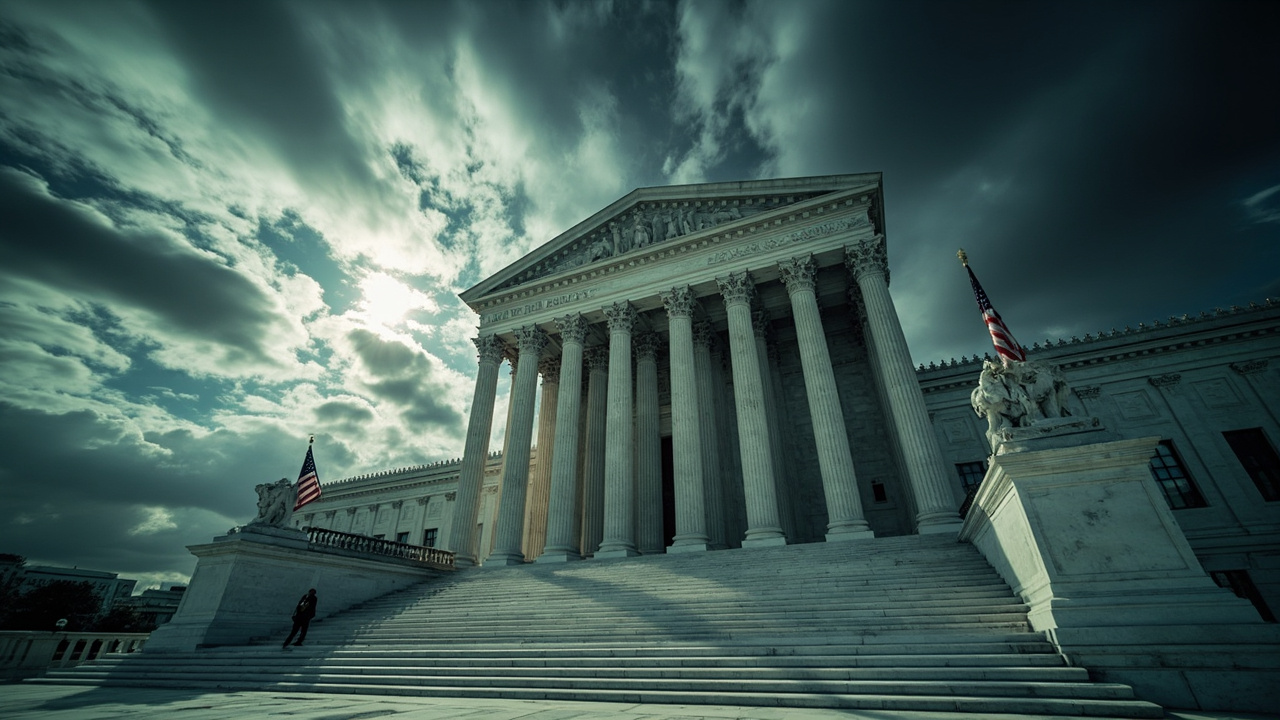
The Supreme Court issued a landmark ruling Thursday allowing the Trump administration to end Temporary Protected Status for hundreds of thousands of immigrants from Haiti and Syria, a decision that could reshape the legal landscape for over one million people currently living in the United States under some form of humanitarian protection. The 6-3 decision in Mullin v. Doe rejected claims that the administration acted with racial animus when it revoked TPS protections, with Justice Samuel Alito writing that the government retains broad discretion to determine when conditions in a foreign country no longer warrant the program. The ruling affects roughly 350,000 Haitians living in the United States, primarily in Florida, New York, and Massachusetts, as well as more than 6,000 Syrians who first received protected status in 2012 during the height of their nation’s civil war.
Geoffrey Pipoly, an attorney for TPS holders from Haiti whose lawsuit against the Trump administration gave rise to the Supreme Court case, offered a stark assessment of what the ruling means for his clients. “The Supreme Court’s decision means that many, many people are going to die violent, needless deaths,” Pipoly said Thursday. The consequences extend beyond the immediate loss of legal work authorization. Without TPS, Haitian immigrants face the prospect of detention by U.S. Immigration and Customs Enforcement and deportation to a nation still in the grips of devastating gang violence, political upheaval, and widespread hunger. The State Department has maintained a travel advisory since 2024 urging Americans not to travel to Haiti, citing the ongoing national emergency.
Legal Arguments and Divided Court
The court’s majority opinion focused narrowly on the statutory authority of the Department of Homeland Security, finding that officials have discretion to terminate the program for countries deemed no longer to require it. Alito wrote that the administration’s decisions were constitutionally sound, adding in a separate passage: “None of the cited statements by either the President or the Secretary was overtly racial, and in substance all expressed policy views that could rest on race-neutral justifications.” The decision reversed a February ruling by U.S. District Judge Ana C. Reyes, who had blocked the government’s moves and taken issue with President Trump’s prior depictions of Haitian migrants as criminals who “probably have AIDS.”
Justice Elena Kagan authored a dissent that sharply contested the majority’s reasoning. “True enough that TPS is a temporary program, and that it did not promise the plaintiffs never-ending humanitarian protection,” Kagan wrote. “But the law prevents the program from ending as it likely did here — without the required consultations about country conditions and, as to Haiti, with impermissible race-based considerations tainting the decision.” Justice Clarence Thomas went further in a concurring opinion, writing that non-citizens have no constitutional right to equal protection under the Fifth Amendment — a position that legal scholars say could have far-reaching implications beyond this case.
Viles Dorsainvil, executive director of the Haitian Support Center in Springfield, Ohio, who himself arrived in the United States on TPS, said the decision lends institutional credibility to rhetoric he called deeply harmful. “I understand that being in America now is to deal with a system that just doesn’t want you,” Dorsainvil told reporters at a news conference Thursday. Many Haitians, including Dorsainvil, have separately filed for asylum, and advocates fear the administration will use Thursday’s ruling to deny those claims or accelerate deportations before cases can be fully adjudicated.
Broader Implications and Political Context
Thursday’s ruling carries significance well beyond Haiti and Syria. The legal precedent it establishes is expected to affect approximately 1.3 million people from seventeen countries currently holding TPS status as each country’s protection comes up for renewal. The administration has already moved to end protections for nationals from several additional countries, including Venezuela, and Congress created the TPS program in 1990 as a temporary humanitarian mechanism — a framework that the court’s majority said was always intended to expire.
Acting Attorney General Todd Blanche celebrated the ruling as a vindication of the administration’s immigration enforcement priorities. “TPS was always meant to be temporary,” Blanche wrote in a post on X. “This ruling rejects efforts to turn the program into a loophole abused by illegal aliens to stay in the United States.” The administration has pointed to Haiti’s improving economic indicators and reductions in migration flows as evidence that conditions have changed sufficiently to warrant ending protections.
Critics counter that the timing of the ruling, coming as the administration has simultaneously raised refugee admissions caps exclusively for White Afrikaners while restricting admissions from majority-African and Caribbean nations, underscores the unequal treatment the court’s majority was unwilling to recognize. Senate Democrats have pledged to introduce legislation that would place TPS determinations on firmer statutory footing, though prospects for passage in a divided Congress remain uncertain. Immigrant advocacy organizations are urging affected individuals to consult legal counsel and file for asylum or other forms of relief before any deportations can begin. The administration has not yet announced a timeline for implementing the court’s ruling, but officials have indicated they intend to move quickly.