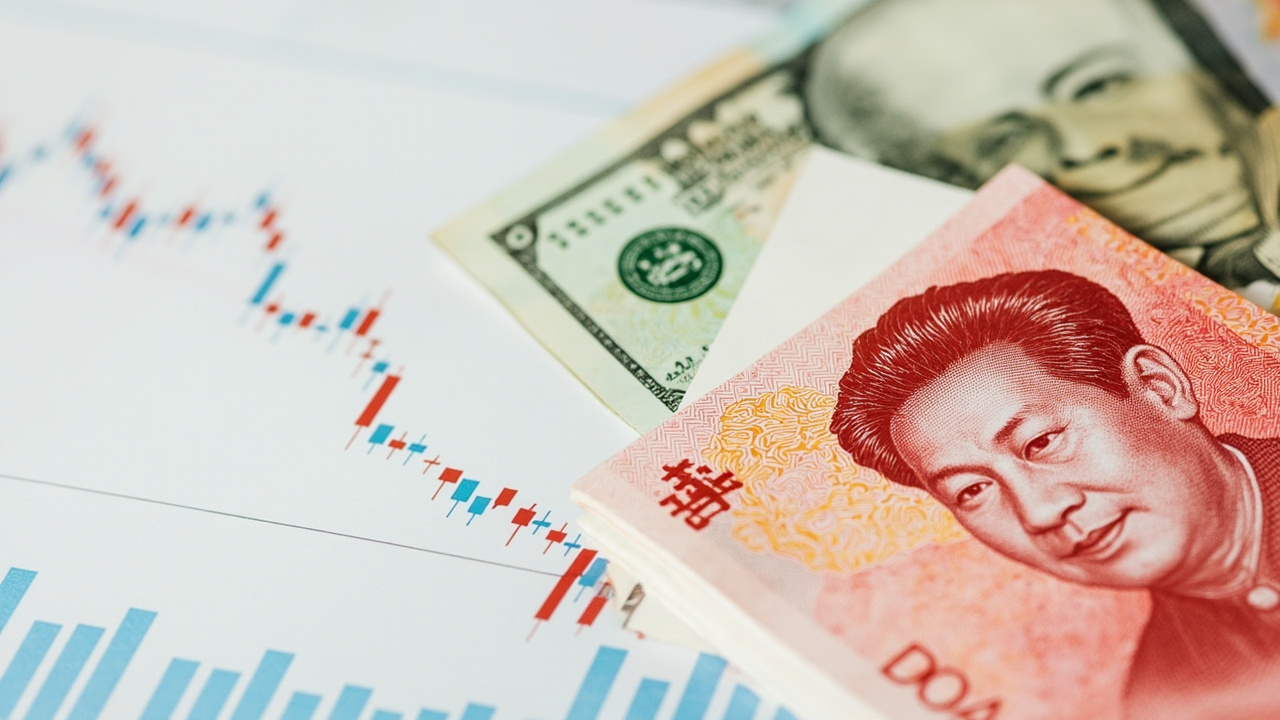
In the spring of 2026, the world quietly crossed a threshold it had spent two decades trying to avoid. Global sovereign debt surpassed $105 trillion for the first time in history, with the combined debt loads of G7 nations reaching levels that would have triggered automatic IMF intervention protocols a decade ago. What makes 2026 different from previous debt crises is the simultaneous combination of high debt levels, high interest rates, and a fracturing rules-based trading system that historically provided the release valve for sovereign fiscal stress.
The numbers are unambiguous. The United States federal debt-to-GDP ratio reached 127% in Q1 2026, surpassing the previous World War II-era record. Japan crossed 260%, Italy exceeded 150%, and France breached its self-imposed 123% EU stability ceiling for the fourth consecutive quarter. The conventional wisdom that wealthy nations can carry high debt indefinitely because they borrow in their own currencies is being tested in real time — and the results are not reassuring.
The Debt Domino: Which Countries Are Most at Risk
The sovereign debt crisis is not uniform. It is concentrated in a specific tier of countries that share three characteristics: elevated debt-to-GDP ratios, exposure to US dollar interest rate cycles, and dependence on external financing for fiscal deficits. The IMF Fiscal Monitor for April 2026 identifies eight sovereigns in acute distress, with Sri Lanka, Pakistan, and Egypt joined for the first time by two G20 middle-income economies whose debt stress is beginning to affect global credit markets.
Zambia completed its debt restructuring in late 2025 but faces a refinancing cliff in 2027 when $4.2 billion in restructured bonds mature simultaneously. Ghana is three years into a 15-year IMF program and is still paying 14% on its new bonds — a rate that consumes 45% of export earnings in debt service. The more alarming development is secondary contagion: countries with manageable primary deficits are being drawn into the crisis through the commercial bank and sovereign bond exposures of their trading partners.
We are watching the slow-motion unwinding of a debt supercycle that was built on the assumption of permanently low interest rates. That assumption has been proven wrong, and the adjustment is only beginning.
— Kristalina Georgieva, IMF Managing Director, April 2026
The Dollar Dominance Problem
The United States dollar remains the anchor of the global financial system, which means American fiscal behavior has outsized effects on every other country. When the Federal Reserve held rates above 5% through 2024 and into 2025, it created a global interest rate environment that compounded debt stress in every dollar-denominated borrower. For every country that issued sovereign bonds in dollars, the cost of refinancing existing debt rose by an average of 2.8 percentage points between 2023 and 2025.
China has accelerated its multi-year strategy to reduce dollar dependency in bilateral trade, signing 47 new currency-swap agreements in 2025 that allow yuan-settled oil trade with Saudi Arabia, the UAE, and Brazil. BRICS nations have agreed in principle to a new settlement system for intra-BRICS trade that bypasses SWIFT, with a soft launch targeted for late 2026. Neither effort threatens dollar reserve currency status in the near term, but both represent structural erosion that removes the automatic safe-haven bid that has historically cushioned American fiscal profligacy.
The Trade War Amplifier
The sovereign debt crisis intersects with the ongoing US-China trade war in a way that is genuinely new. The 145% US tariff on Chinese goods remains in place as of May 2026 following the collapse of the April Geneva talks, generating a two-channel inflationary shock. Channel one is direct: higher prices on imported goods for American consumers. Channel two is indirect: Chinese retaliatory tariffs on US agricultural exports and Boeing aircraft have damaged American export sectors, reducing the tax revenue that would otherwise help finance the federal deficit.
The Congressional Budget Office estimates that the current tariff regime costs the average American household approximately $4,800 per year in higher prices. It also costs the US Treasury approximately $180 billion per year in lost export revenue. Both figures compound the debt problem — consumers spend less, slowing growth, and the government collects less while spending more on social programs designed to compensate for the economic damage.
The IMF Dilemma
The International Monetary Fund faces an impossible choice in 2026. Its traditional role — lender of last resort to sovereigns facing market closure — requires it to extend large programs to highly indebted countries. But lending at scale to countries whose debt is clearly unsustainable means the IMF will absorb losses that ultimately fall on its member shareholders, many of whom are themselves highly indebted. The April 2026 program for the first G20 distressed sovereign required a 40% haircut on existing private creditors — a precedent that has frozen new issuance from that country for 18 months.
The IMF has been forced to revise its debt sustainability framework three times since 2022, each time lowering the threshold at which it considers debt levels unsustainable. Critics argue this is simply normalizing high debt to justify continued lending — the fund has become an enabler of fiscal profligacy. Defenders counter that without IMF programs, the affected countries would face outright default, which would be far more disruptive to global financial markets.
The question is not whether the system will adjust — it will. The question is whether it adjusts through managed, coordinated restructuring or through chaotic default and market panic. There is a narrow window right now for the second path.
— former Treasury Secretary Lawrence Summers, March 2026
The Path Forward: Managed Adjustment or Disorderly Crisis
The path forward requires action on three fronts simultaneously. First, the Federal Reserve needs to begin a measured easing cycle that reduces the dollar carry cost for highly indebted developing nations — without triggering a loss of confidence in US debt markets that would raise rates for everyone. Second, the G20 needs to ratify the Common Framework update that speeds up debt restructuring negotiations from an average of 4.7 years to under 18 months. Third, the IMF needs to replenish its concessional lending window by at least $200 billion, funded partly by reallocation from the Advanced Economy quota increase that has been pending since 2023.
None of these actions are politically easy. Fed easing risks rekindling inflation. Faster debt restructuring means private creditors take losses. IMF quota increases require congressional approval — politically toxic in an election year. But the alternative — a disorderly sovereign default cascade in 2027 or 2028 — would make all three of these fixes look easy by comparison. The window for proactive crisis management is closing. By mid-2027, the math will make the decisions for us.
David Foster is a Senior Analyst for Media Hook, specializing in geopolitical analysis, economic trends, and the forces reshaping the global order.