The Strait of Hormuz, the world’s most critical chokepoint for oil shipments, has become the flashpoint that could determine whether the Middle East slides into a broader regional war or inches toward an uneasy ceasefire. As of April 2026, the waterway that carries roughly 20 percent of the world’s oil supply is at the center of an escalating diplomatic and military standoff involving the United States, Iran, the United Kingdom, and more than 40 nations summoned to London in an emergency summit aimed at reopening the passage.
The crisis reached a new dimension this week when Iran and Oman jointly announced they were drafting a protocol to oversee maritime transit through the Strait. The announcement, made through Iran’s Deputy Foreign Minister Kazem Gharibabadi, came amid reports that Iranian naval forces had attempted to restrict civilian shipping in retaliation for U.S. and Israeli strikes on Iranian territory. The Oman-Iran joint framework marked the first concrete attempt by any regional actor to fill the vacuum left by the collapse of previous de-escalation agreements.
The UK Summit and the 40-Nation Response
Britain’s emergency summit, hosted by the Foreign Office in London, brought together representatives from across the globe — from Gulf monarchies to Asian energy consumers — all sharing a common alarm over the disruption of one of the planet’s most vital arteries. Attendees included senior officials from Japan, South Korea, India, and the European Union, nations whose economies are acutely vulnerable to any prolonged closure of the Strait.
The summit yielded an initial framework for a multinational maritime security corridor, though details remain sparse and disagreements significant. A key sticking point is whether any international force operating in the Strait would require Iranian consent — a condition Tehran has demanded as a prerequisite for any talks, while Washington and its allies have rejected the notion outright.
“The Strait of Hormuz belongs to no single nation, but its fate will be decided by the choices of a few. We are living in a window that is closing fast.”
— Senior EU diplomatic official, speaking on condition of anonymity
Iran’s Regional Strikes and the Expanding Conflict
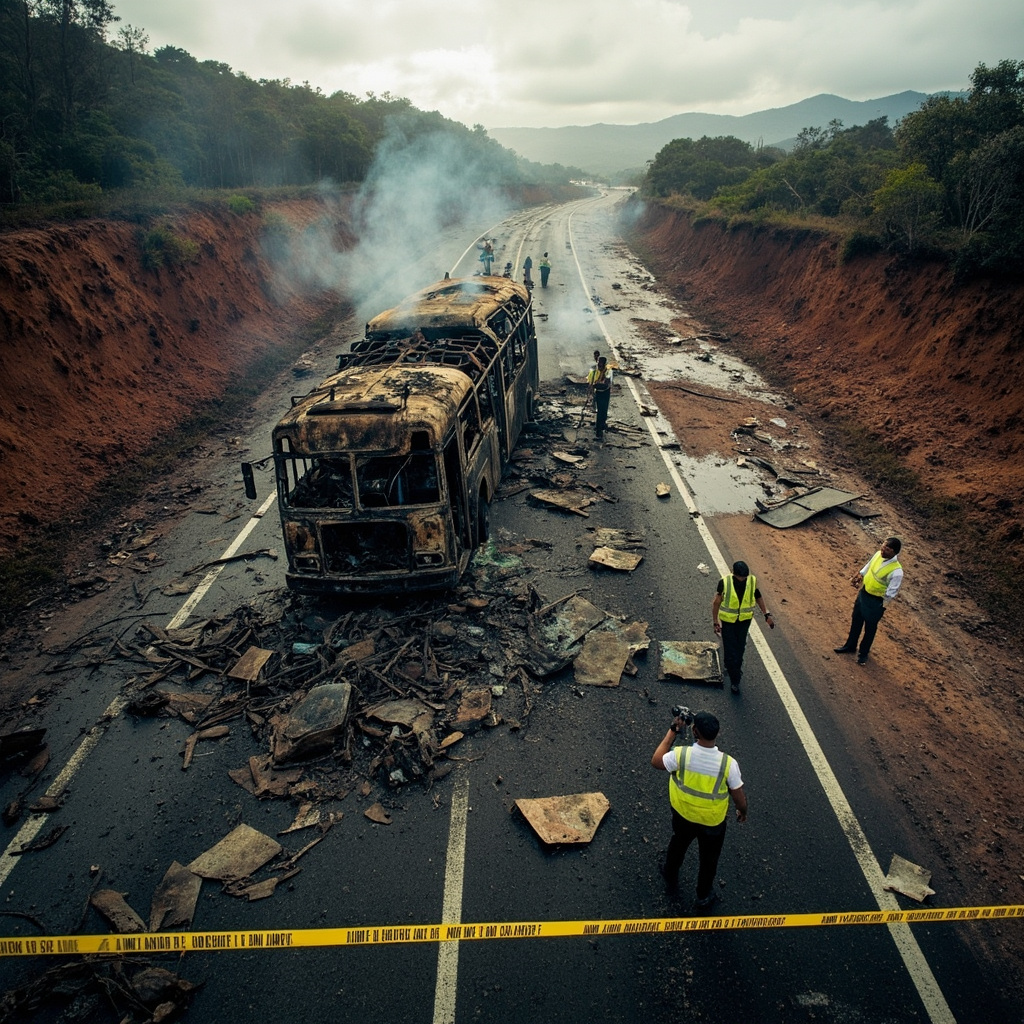
The Hormuz summit took place against a backdrop of intensifying Iranian military activity across the Gulf region. In the preceding days, Iran fired ballistic missiles at Qatar, striking a QatarEnergy-registered oil tanker, while Iranian drones targeted a fuel storage facility at Kuwait International Airport. A Bangladeshi national was killed by shrapnel during a drone interception in Fujairah, in the United Arab Emirates. These strikes, coupled with attacks on Bahrain and reported attempts to disrupt AWS and Oracle data infrastructure in the Gulf, signaled that Iran was prepared to project force well beyond its borders.
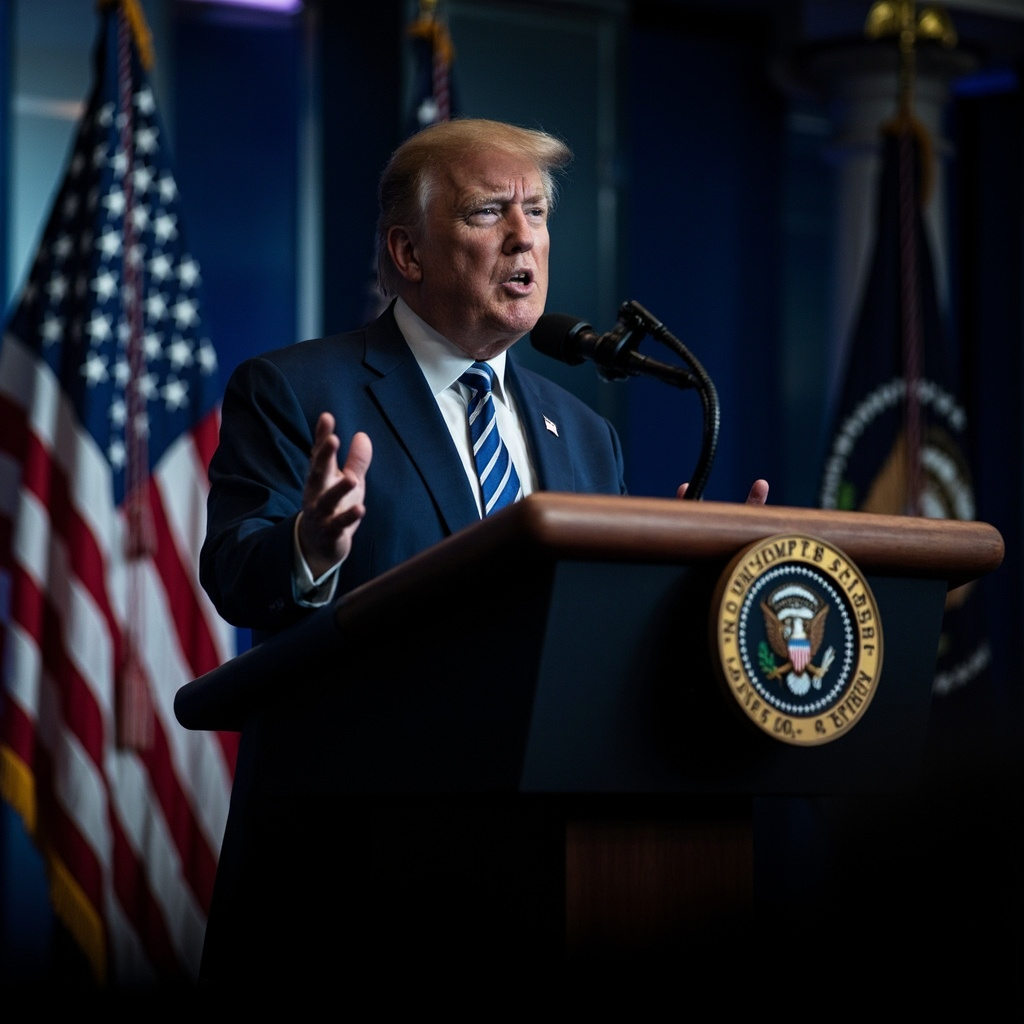
For its part, the United States has maintained a carrier strike group in the Persian Gulf and has carried out precision strikes against Iranian military and nuclear infrastructure. President Donald Trump, in his first primetime address on the conflict, warned that U.S. forces would “finish the job” within two to three weeks if no diplomatic breakthrough was achieved. Israeli forces, conducting their own parallel campaign, have struck targets inside Iran while also targeting Hezbollah command structures in Lebanon.
The Economic Ripple Effect
The stakes extend far beyond geopolitics. Malaysia announced a remote work policy for government employees to reduce fuel consumption, while Taiwan’s transport ministry authorized a 157 percent increase in airline fuel surcharges — a measure that immediately drove up the cost of international travel across Asia. Global oil markets have reacted with sustained volatility, as traders price in the risk of a complete or partial blockage of the Strait.
The economic pressure is creating unlikely alliances. Japan and South Korea, both U.S. security partners but deeply integrated into the regional economy, have quietly pressed Washington to allow space for diplomatic solutions before the situation becomes irreversible. India, whose oil imports from the Gulf are vital to its economy, has maintained a studied neutrality while quietly engaging with both Tehran and Washington.
“Every week the Strait remains contested, we lose $4 billion in trade. This is not a regional problem — it is a global emergency.”
— Singapore’s Minister for Trade and Industry, addressing the London summit
Diplomatic Crossroads
The Oman-Iran protocol offers a narrow but real path forward. Oman has long served as a neutral interlocutor between Tehran and Washington, and its involvement suggests both sides recognize the costs of outright confrontation. The proposed framework would give Iran a role in overseeing transit — a face-saving formula — while allowing international monitoring to ensure commercial vessels are not targeted.
Whether the 40-nation coalition can bridge the gap between that offer and Washington’s maximalist position remains the defining question of the coming weeks. U.S. officials have insisted that any agreement must include verifiable limits on Iran’s nuclear program and a permanent end to support for regional proxy forces — terms Iran has so far refused to accept. Iranian President Masoud Pezeshkian, in a rare direct message to the American public, suggested that diplomatic engagement was still possible, but warned that Iran would not negotiate under the shadow of bombing.
The Strait of Hormuz has survived crises before. In 2019, Iranian mines damaged two oil tankers near the passage, and in 2019–2020, the U.S. and Iran came to the brink of war after a U.S. drone strike killed Iranian General Qasem Soleimani. But the current escalation, unfolding simultaneously with a full-scale air and missile campaign against Iranian territory, is of a different magnitude. The window for diplomacy is open, but it is narrower than many in the international community are willing to acknowledge.
Elena Rodriguez is an International Affairs Correspondent for Media Hook, covering global diplomacy, conflict, and the emerging world order.
🕑 Update — April 26, 2026: Ceasefire Talks Collapse as Trump Issues ‘Shoot and Kill’ Order
The diplomatic path to resolving the Strait of Hormuz crisis has effectively collapsed. President Donald Trump announced Friday that he is no longer sending envoys Steve Witkoff and Jared Kushner to Pakistan for planned negotiations with Iranian representatives, signaling a decisive shift away from diplomacy toward military deterrence.
“There is nothing to negotiate,” Trump said in a statement. “Iran has chosen war. We will respond accordingly.”
‘Shoot and Kill’ Directive
Earlier this week, Trump issued a direct order to the U.S. Navy to “shoot and kill” any Iranian small boats attempting to harass or attack American vessels in the Strait of Hormuz. The directive came after a series of close-call encounters between Iranian fast-attack craft and U.S. warships patrolling the waterway.
Pentagon officials confirmed the order is in effect and that rules of engagement have been adjusted accordingly. “Our commanders now have clear authority to respond with lethal force to any hostile approach,” a Defense Department spokesperson said.
Ceasefire on the Brink
The ceasefire extension that Pakistan brokered on April 21 is rapidly unraveling. Iran has rejected multiple proposals for a permanent truce, and its forces have continued to seize commercial vessels transiting the strait. Iranian state media reported Saturday that Tehran views the cancellation of U.S. envoy travel as “a declaration of hostile intent.”
Over 3,300 people have died in the conflict since it began, according to the latest figures from humanitarian organizations monitoring the region. The United Nations has warned that a full-scale closure of the Strait of Hormuz would trigger a global energy crisis, with oil prices already up 40 percent since the start of hostilities.
The 40-nation summit in London continues, but participants acknowledge that without U.S.-Iran direct talks, a diplomatic resolution appears increasingly remote.
🕑 Update — April 26, 2026: Hormuz Traffic Fully Halted as Dual Blockades Firmly in Place
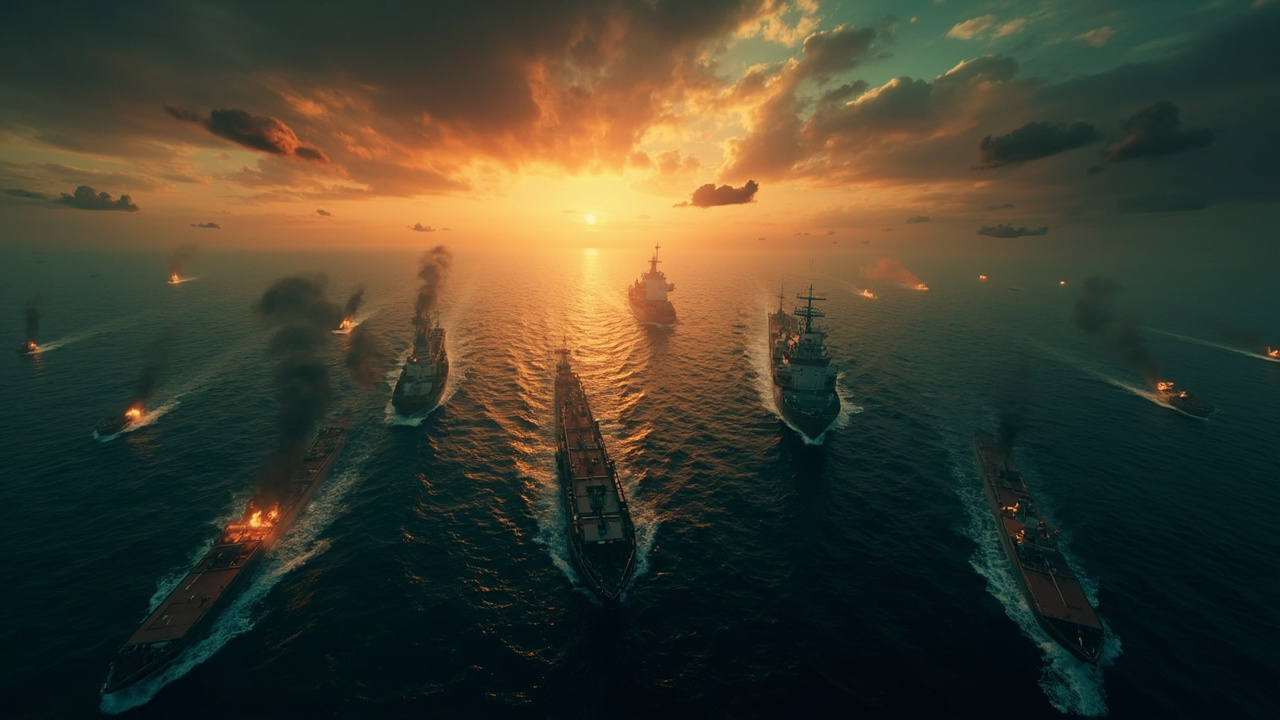
The Strait of Hormuz crisis has entered a decisive new phase. According to Bloomberg reporting on April 26, 2026, Hormuz traffic is now fully halted with naval blockades firmly established on both sides. The United States and Iran have each deployed naval forces to enforce opposing blockades, transforming the strategic waterway into a closed corridor.
🚥 Dual Blockades Established
Both the U.S. Fifth Fleet and Iran’s Islamic Revolutionary Guard Corps Navy have established firm blockade lines across the strait. Commercial shipping has ground to a complete halt, with no vessels able to transit in either direction. The dual blockade represents a dramatic escalation from the contested but functioning maritime corridor described in the original summit coverage.
✈️ Witkoff Trip Cancelled
President Trump has cancelled the planned trip by special envoy Steve Witkoff to Pakistan, where Iranian representatives were expected to participate in indirect negotiations. The cancellation eliminates the last remaining diplomatic channel and effectively signals the complete failure of the 40-nation summit approach.
🚥 “Shoot and Kill’ Order in Force
Trump’s “shoot and kill” order, issued for any vessels attempting to breach the blockade, remains firmly in effect. U.S. naval commanders have been authorized to use lethal force against any craft — Iranian or otherwise — that approaches within declared exclusion zones. Iranian forces have issued mirror orders on their side of the strait.
The blockade represents a fundamental shift from the diplomatic summit framework that dominated headlines just days earlier. What began as a 40-nation effort to prevent a global energy crisis has collapsed into a zero-sum military standoff with the world’s most critical oil chokepoint effectively shuttered.
post_title The Strait of Hormuz at the Center of the World: Inside the 40-Nation Summit to Prevent a Global Energy Crisis
post_excerpt
post_status inherit
comment_status closed
ping_status closed
post_password
post_name 529-revision-v1
to_ping
pinged
post_modified 2026-04-26 20:08:33
post_modified_gmt 2026-04-26 20:08:33