The Summit That Threw Silicon Valley Into the Spotlight
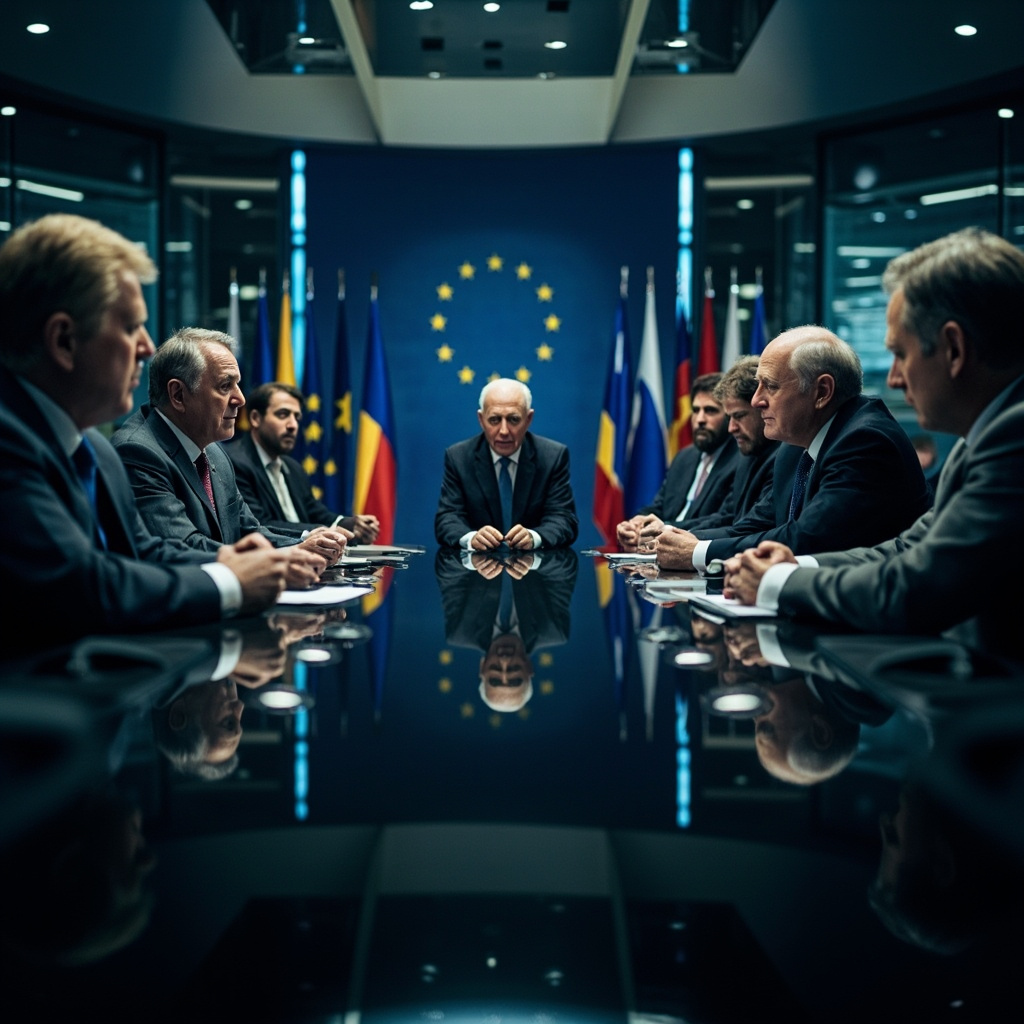
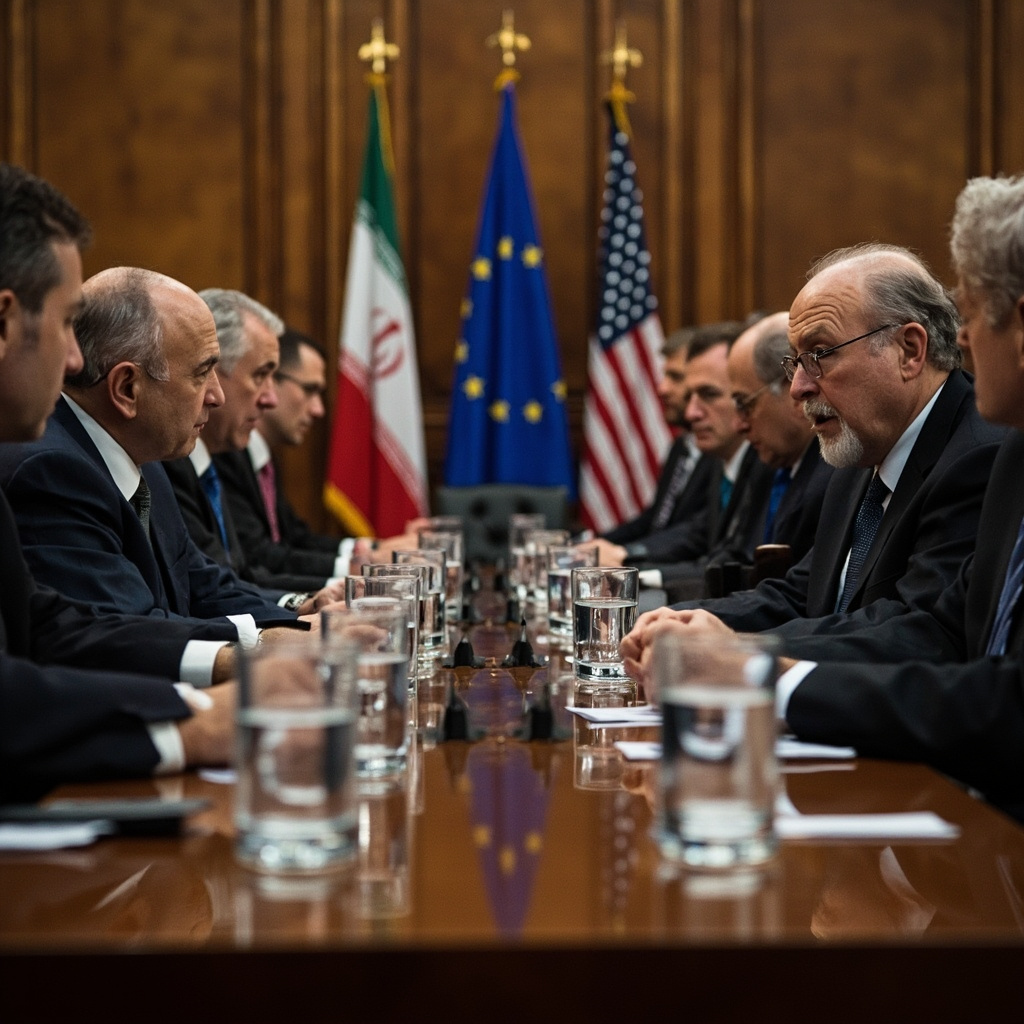
President Donald Trump and Chinese President Xi Jinping convened a landmark diplomatic session in Beijing on Tuesday — and for the first time in memory, two of the world’s most consequential CEOs walked into the room alongside them. Elon Musk of SpaceX and Tesla, and Tim Cook of Apple, sat at the table as informal advisors to the U.S. delegation, according to two people briefed on the matter who were not authorized to discuss it publicly.
The summit arrives against a backdrop of persistent trade friction. The U.S. imposed sweeping tariffs on Chinese goods in April, and Beijing retaliated with duties on American agriculture and energy exports. Yet the atmosphere inside the Great Hall of the People on Tuesday was notably less combative than the previous round of negotiations in Geneva, where Treasury Secretary Scott Bessent and Trade Representative Jamieson Greer had delivered an ultimatum that expired without a deal.
Musk’s Presence and the SpaceX Diplomatic Footprint
Musk’s presence was itself a diplomatic signal. His companies have significant commercial interests in China — Tesla operates a major Gigafactory in Shanghai — and he has maintained an unusually close personal relationship with President Xi, communicating with him via direct messages on at least three occasions since returning to Washington in early 2026, according to one person familiar with the communications.
That relationship cut both ways. Administration officials were divided on whether Musk’s presence helped or complicated the negotiation, according to a person who attended a preparatory meeting in the White House situation room last Thursday. “He knows things no other American businessman does,” the person said. “But he also has interests that don’t always align with the President’s tariff agenda.”
“Musk’s proximity to Xi creates leverage that no diplomat can replicate — but it also creates a conflict of interest that the trade representative’s office was never designed to manage.” — A senior congressional aide briefed on the summit
Apple’s Strategic Calculus: Cook’s Balancing Act
Tim Cook’s attendance, while less headline-grabbing than Musk’s, was arguably more strategically significant. Apple assembles the majority of its iPhones through Foxconn facilities in China, and the company’s supply chain would be catastrophically disrupted by a breakdown in U.S.-China trade relations. Cook has cultivated relationships across Beijing’s technology policy apparatus over a decade of quarterly visits, positioning Apple as a company with roots too deep to be easily disentangled.
His inclusion in the U.S. delegation was interpreted inside the administration as a signal that the U.S. was prepared to negotiate on export controls affecting consumer electronics — a sector that China has lobbied hard to exempt from the sweeping technology restrictions imposed since 2022.
“Cook is there because both governments understand that Apple’s supply chain is too important to be caught in the crossfire of a trade war.” — A former U.S. trade official briefed on the summit’s agenda
Trade Talks: The Core Disputes on the Table
Three sets of negotiations ran concurrently in separate wings of the Diaoyutai State Guesthouse, according to people briefed on the schedule. The most advanced involved tariffs on semiconductors and telecommunications equipment — a category that directly implicates Huawei, Nvidia, and the broader 5G infrastructure buildout competing in dozens of developing nations.
The second track concerned agricultural exports. China suspended purchases of American soybeans and pork in April in retaliation for U.S. tariffs. Farm state Republicans, already anxious about a difficult midterm environment, have pressured the administration to find a path toward resumed purchases. China, for its part, has been diversifying its agricultural suppliers toward Brazil and Argentina — a trend Beijing may use as leverage in any deal.
The third and most sensitive track involved technology transfer and market access. U.S. officials are seeking guarantees that China will not use its Ant Group or WeChat Pay platforms as levers to disadvantage American companies — a concern amplified after ByteDance’s TikTok navigated an 18-month national security review that ended with a complex data sovereignty arrangement.
Senior officials from both sides described Tuesday’s session as “substantive and professional,” in the words of a read-out distributed by China’s Ministry of Foreign Affairs. The two governments agreed to continue negotiations through a series of working groups that will meet in Shanghai in June and again in Washington in September.
Global Stakes: The International Dimension
The summit drew close attention from U.S. allies in Asia and Europe, many of whom have been watching the U.S.-China trade conflict with mounting concern about spillover effects on their own economies. Japan, South Korea, and the European Union each face their own tariff exposure — and have been watching to see whether any U.S.-China agreement might create a framework that could be extended or adapted to their own trade disputes with Washington.
| Issue Area | U.S. Position | China’s Position | Status |
|---|---|---|---|
| Semiconductor tariffs | Maintain 50%+ duties on advanced chips | Seek reduction; offer counter-purchases | Negotiating |
| Agricultural purchases | Resume full soybean/pork buys | Conditional on tariff relief | Paused |
| Tech transfer rules | Enforce 2022 export controls | Seek carve-outs for consumer tech | Early stage |
| Huawei/5G equipment | Blacklist enforcement, allied restrictions | Deny state support claims | Contested |
| Financial data sovereignty | No use of TikTok-style leverage | Deny any policy targeting | Agreed to review |
What Comes Next
The Shanghai working groups will focus on three deliverables by September: a preliminary agreement on agricultural purchases, a framework for semiconductor tariff reductions, and a joint statement on technology transfer principles. Whether those goals are achievable remains deeply uncertain — the two sides remain far apart on the core question of whether China must make structural economic reforms to earn tariff relief, or whether tariff cuts alone are sufficient to restart commercial relations.
Musk and Cook are expected to remain involved in an advisory capacity as the working groups proceed, according to a person familiar with the administration’s planning. Neither company responded to a request for comment.
The next major inflection point will be the Shanghai session in June. Markets will be watching closely: a breakdown in negotiations could trigger a new round of tariff escalation that analysts at Goldman Sachs estimated would reduce U.S. GDP growth by 0.4 percentage points over the following two quarters. A deal — even a partial one — would remove a significant cloud over technology and industrial stocks that have underperformed since the April tariff escalation.
“The stakes are not just bilateral. This shapes global supply chains, technology standards, and the investment climate for every company that operates across the Pacific.” — A senior official at the Peterson Institute for International Economics
| Metric | Current State | Pre-Tariff Baseline (March 2026) |
|---|---|---|
| U.S. tariffs on Chinese goods | Up to 145% on semiconductors, 125% on consumer electronics | 25% across most categories |
| Chinese tariffs on U.S. goods | 125% on agriculture, 100% on energy | 7.5–15% across most categories |
| China soybean purchases from U.S. | Suspended since April 2026 | ~$14 billion annually |
| Tesla Shanghai output | ~920,000 vehicles/year | ~1.1 million vehicles/year |
| Apple iPhone assembly locations | ~85% China-based | ~92% China-based |
This is a developing story. Additional reporting contributed by correspondents in Beijing, Shanghai, and Washington.