Fresh American airstrikes targeted Iranian military facilities inside Iran on Sunday, hours after Tehran launched drone and missile attacks against American positions in Kuwait, marking the most serious escalation between the two sides since the collapse of the original ceasefire framework in May. The exchange — which began late Saturday when Iranian Shabih missiles struck a US logistics hub near Al Ahmadi — killed at least 11 American personnel and wounded more than 40, according to two US officials who spoke to reporters on condition of anonymity because the assessment was still classified.
The strikes come despite a fragile interim agreement brokered by Qatar and Oman that had held, barely, for 19 days. The agreement’s Article 5 — a clause governing freedom of navigation through the Strait of Hormuz — has become the central point of contention, with Washington insisting the provision requires internationally coordinated shipping corridors and Tehran maintaining it preserves Iran’s authority over all transit through the strategic waterway. That single clause has now triggered two rounds of American retaliation and is threatening to unravel a diplomatic process that world leaders called the last viable path to a negotiated settlement.
Article 5 Sparks a New Cycle of Retaliation
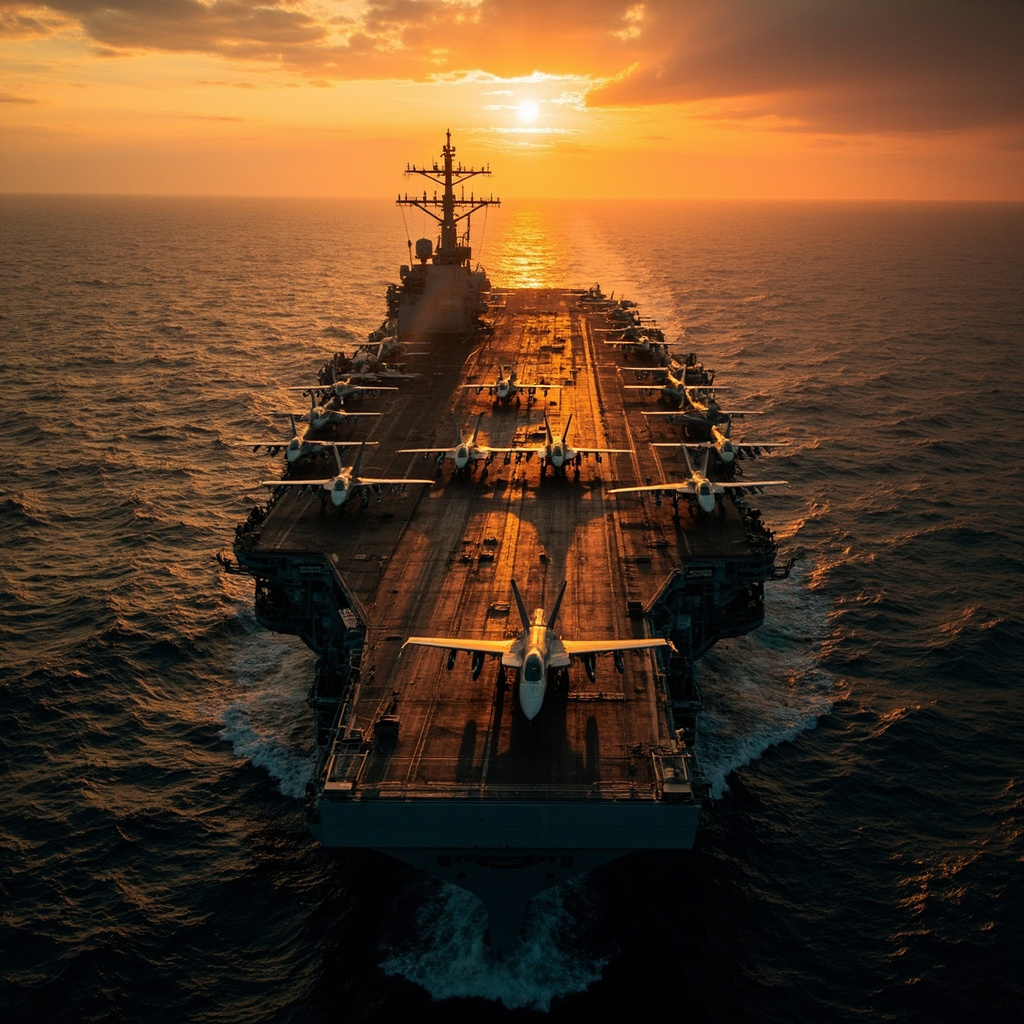
Under the interim agreement, both nations pledged to halt strikes on civilian and energy infrastructure in exchange for the suspension of international sanctions on Iran’s oil sector. But the Hormuz clause was always a grey area. American officials have argued for months that the clause implicitly endorses the US naval presence in the strait’s patrol zones, while Iran’s Revolutionary Guard Corps has maintained that any foreign military escort of commercial vessels constitutes a violation of Tehran’s territorial waters. That dispute boiled over on Saturday when the US Navy reported that three Iranian drones approached a convoy escorted by the USS Truman carrier group at a distance consistent with hostile intent.
The Pentagon confirmed in a statement that American forces “took proportionate and necessary action to protect US personnel and assets.” The statement did not specify which facilities were struck. Two regional intelligence officials told Reuters that the targets included a missile battery near Isfahan and a drone launch site in Fars Province. Iran’s semi-official Tasnim news agency reported that several sites had been hit but played down the damage, citing military sources.
Secretary of State Marco Rubio spoke with Kuwait’s foreign minister on Sunday morning and separately briefed the governments of Saudi Arabia, the UAE, and Qatar. “We have made clear to all parties what our red lines are,” Rubio told reporters gathered outside the State Department. “Article 5 was designed to protect innocent passage, not to provide cover for weapons shipments.”
Kuwait and Bahrain Caught in the Crossfire
Saturday’s Iranian attack on Kuwait was the first direct strike on a US ally in the current cycle of confrontation. The target was a joint US-Kuwaiti logistics facility used to coordinate humanitarian corridors in the northern Persian Gulf. Kuwait’s interior ministry said in a statement that three Kuwaiti civilians were killed and 17 were wounded in the strike. The ministry described it as a “blatant act of aggression” and pledged full cooperation with the United States in any response.
Bahrain, home to the US Navy’s Fifth Fleet headquarters, has been on elevated alert since Friday. Bahrain’s foreign ministry summoned the Iranian charge d’affaires in Manama on Sunday to deliver a formal protest, citing what it called “an unacceptable escalation that threatens regional stability.” The small island nation has found itself increasingly exposed as Iranian missile and drone ranges have grown, and its air defence capabilities remain limited compared to those of Saudi Arabia or the UAE.
British Prime Minister Keir Starmer spoke with both President Trump and Iran’s acting foreign minister in separate calls on Sunday. A Downing Street spokesperson said Starmer warned that the current trajectory was “unsustainable” and urged an immediate return to Doha-mediated talks. France’s foreign ministry issued a statement calling for an emergency session of the UN Security Council, while Germany’s foreign minister said Berlin was prepared to consider additional sanctions on Tehran if the strikes did not cease within 48 hours.
Diplomatic Talks on Ice as Military Action Dominates
The latest violence has effectively halted negotiations that were taking place through Omani intermediaries. Three officials familiar with the talks told the AP that the Omani channel remains technically open but that no meetings are scheduled. “We are not walking away from the table,” one official said. “But you cannot negotiate while missiles are flying.” The officials spoke on background because they were not authorized to discuss the matter publicly.
Oil markets reacted sharply to the escalation. Brent crude surged above $98 a barrel on Sunday before paring gains after the US Department of Energy confirmed that emergency reserves would be tapped to stabilize supply chains. The Strait of Hormuz carries roughly 21 million barrels of oil per day, roughly a fifth of global consumption. Any prolonged disruption would have severe consequences for energy markets already dealing with constrained supply from Russian and Libyan disruptions, analysts warned.
The UN Secretary-General issued a statement through a spokesperson expressing “grave concern” and urging both sides to exercise maximum restraint. The statement stopped short of naming either country but called on all parties to respect international humanitarian law and protect civilian infrastructure. Security Council consultations were expected to begin on Monday, according to a senior UN official who briefed reporters at a background session in New York.
What comes next is unclear. American officials have indicated privately that the White House is prepared to authorize additional strikes if Iran resumes attacks on US personnel or allies. But several senior members of the National Security Council are reported to have raised objections, arguing that further escalation risks drawing Israel into a broader regional conflict at a moment when the administration is already managing simultaneous crises in Ukraine and the South China Sea.