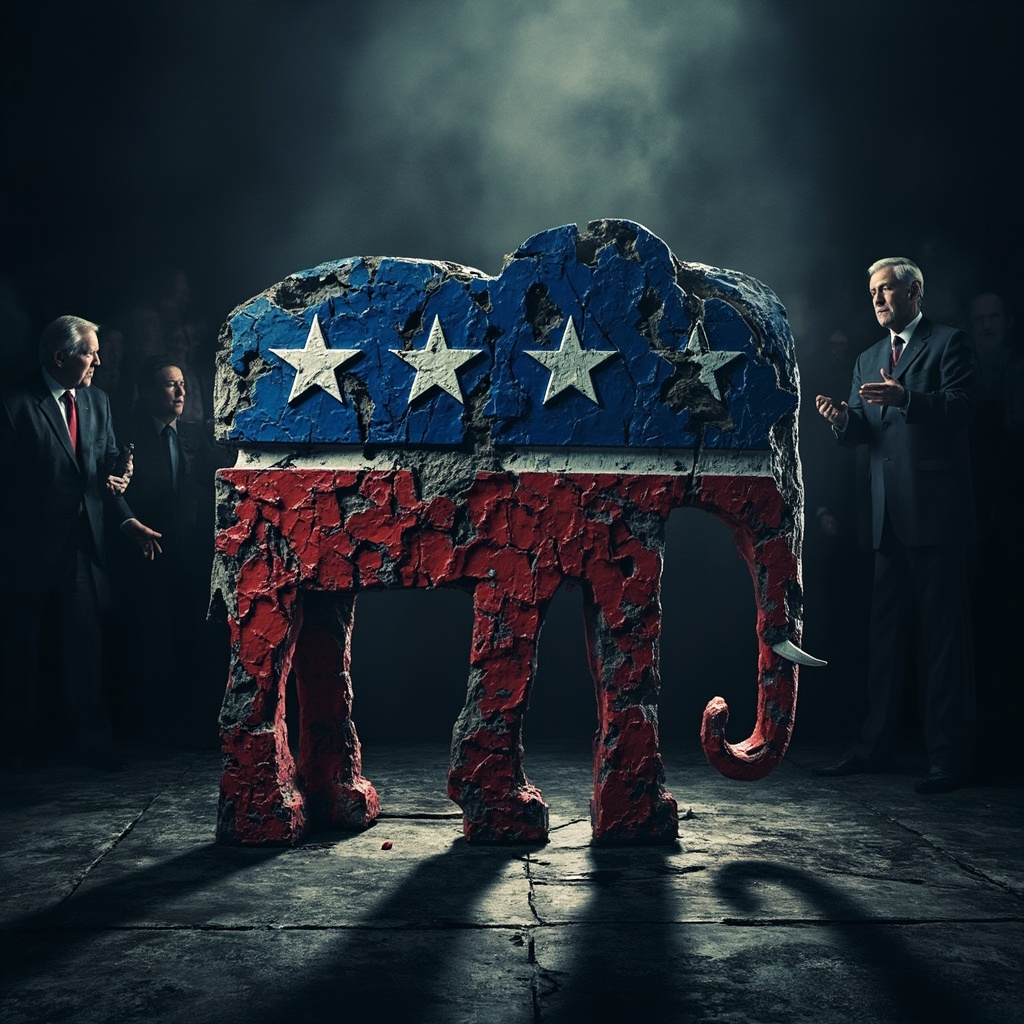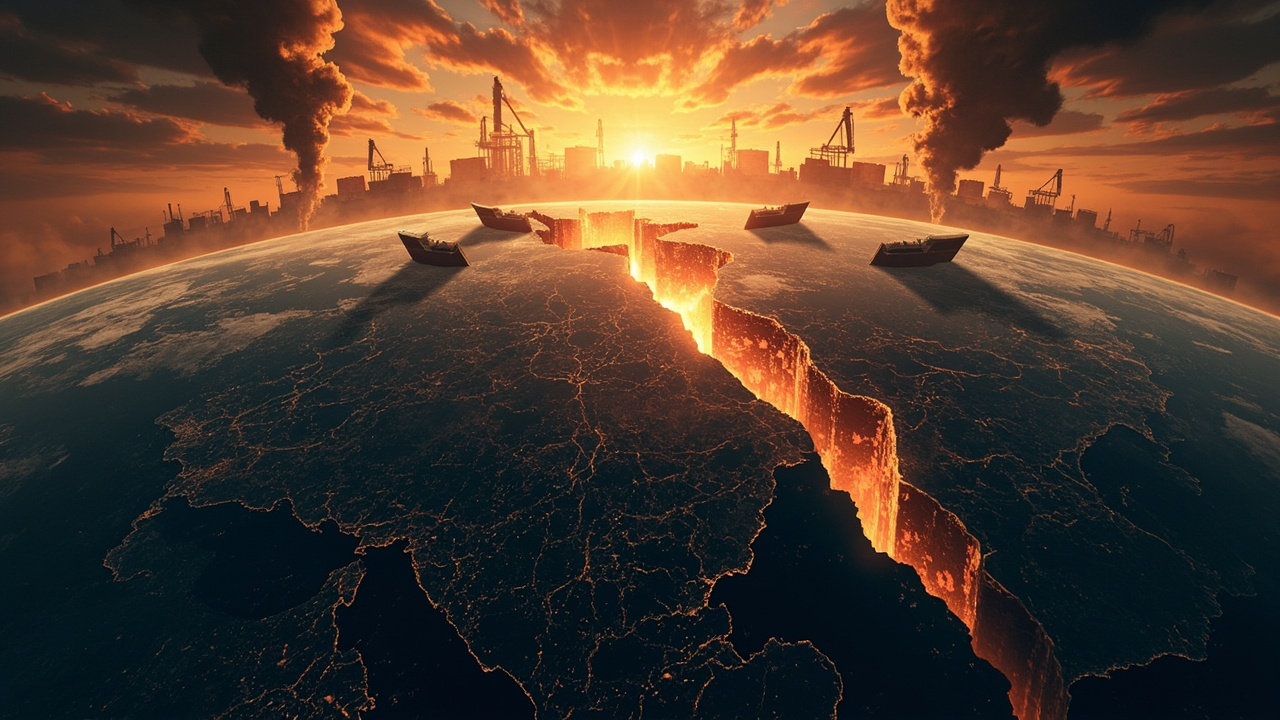
The international order that emerged from World War II — built on institutions, norms, and the belief that democratic nations could govern together through rules rather than raw power — is showing serious structural cracks. In 2026, it is not collapsing in a single dramatic event. It is eroding silently, steadily, and in ways that should alarm anyone who cares about a stable global future.
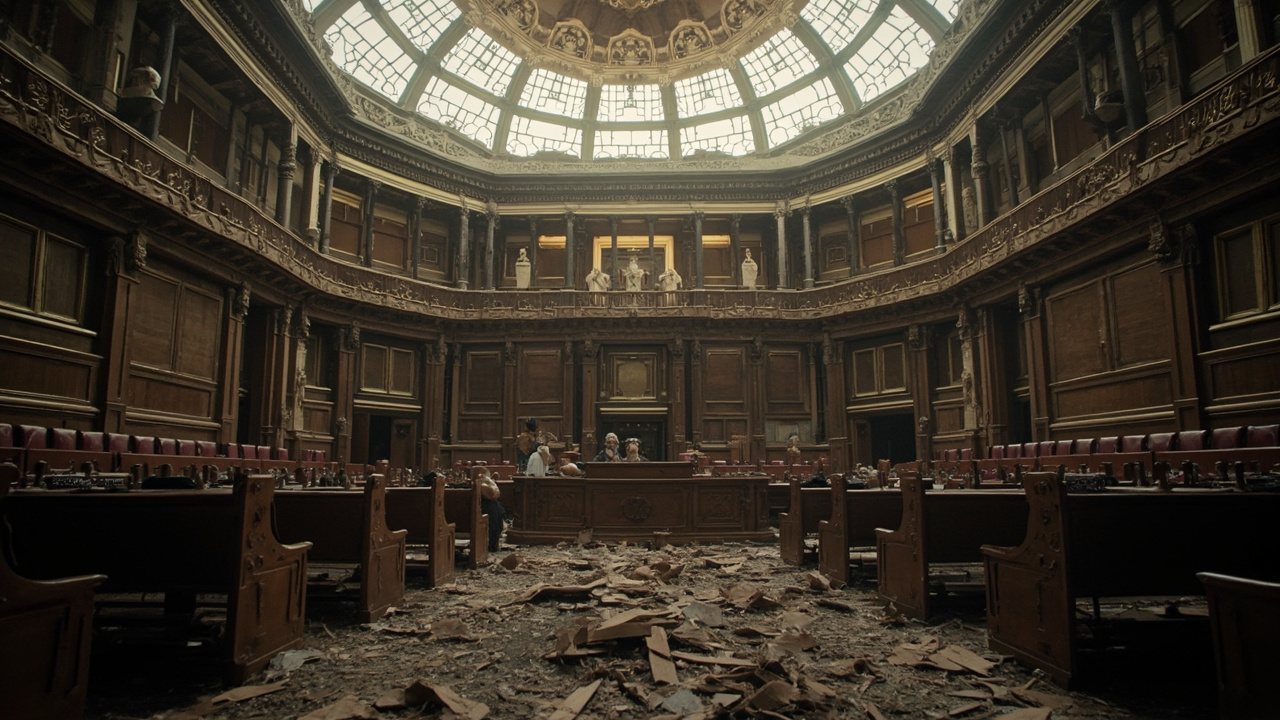
The signs are everywhere. The World Trade Organization has been functionally paralysed for years, its appellate body defunct since the United States blocked judicial appointments. The United Nations Security Council remains paralyzed on the issues that matter most. The International Criminal Court issues warrants that major powers openly ignore. What we are witnessing is not a crisis of any single institution — it is a systemic collapse of the idea that rules matter.
The Architecture Nobody Wants to Defend
For decades, the liberal international order was sustained not just by institutions but by a hegemonic willing to enforce them. When the United States acted as the enforcer, the system had backbone. That backbone is gone. Washington is focused inward. Europe is consumed by fragmentation and re-emerging hard security threats. China has built a competing model built on infrastructure-for-influence deals that ask nothing about governance standards or human rights.
The result is a world where small and middle powers are making pragmatic calculations rather than ideological ones. They are choosing partners who deliver without lectures attached. That is a rational choice in a world where the old hegemon has become unreliable.
The Dangerous Comfort of Status Quo
What makes this erosion so insidious is that it does not feel like a crisis. The institutions still exist — they still meet, issue communiques, pass resolutions. They are hollow shells performing multilateralism while the power that once gave them meaning has shifted elsewhere.
Each year the WTO fails to resolve a trade dispute, the norm against protectionism weakens. Each year the Security Council fails to act, the norm against sovereignty violations weakens. Each year the ICC issues warrants dismissed by powerful nations, the norm against accountability weakens. These are slow normalisations, each making the next easier to accept.
What Comes After?
The honest answer is nobody knows. The current order was built under specific conditions — American hegemony, no serious challengers, shared memory of nationalist aggression costs — that no longer exist in their original form. What replaces it may be a more plural, competitive multipolar order. That may not be inherently worse. But it will be more volatile, more prone to great power competition playing out in smaller nations domestic affairs.
The challenge for democratic nations is to offer something better than the alternative. Maintaining institutions as shells while failing to invest in, enforce, or adapt them is the worst of all worlds. It keeps the appearance of a rules-based order while discarding its substance.
2026 may be the year we look back on as the moment the erosion became irreversible. Or it may be the year democracies decided the liberal order was worth the political cost of defending it. The choice is ours. But the window for making it is narrowing.