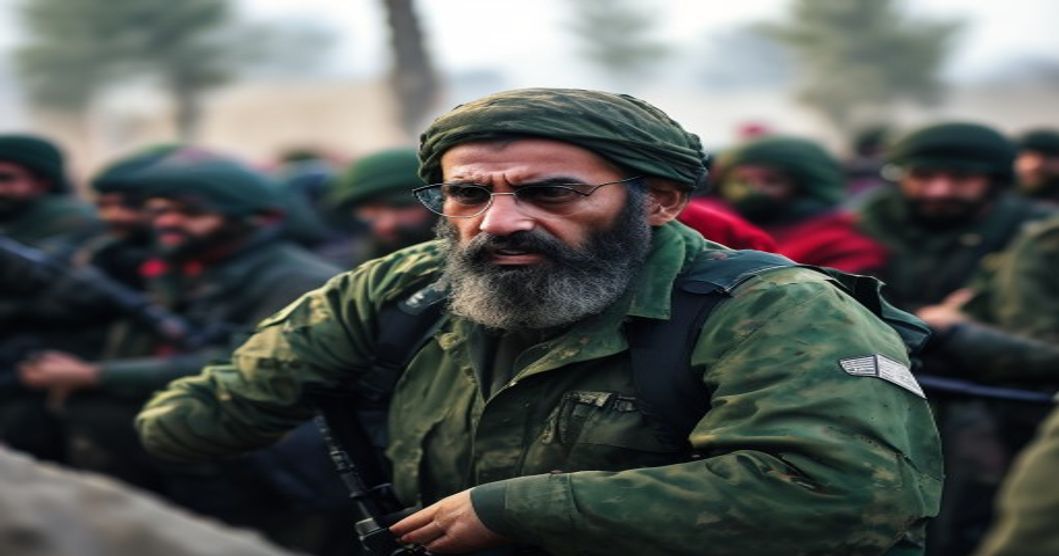
Iran has accused the United States of dishonouring the terms of their fragile ceasefire and warned that military hostilities could resume imminently, as diplomatic efforts to convert the truce into a lasting peace agreement collapse under the weight of mutual distrust and incompatible demands.
Iran Accuses Washington of Breach of Faith
Iranian Foreign Ministry spokesperson Esmail Baghaei said on Saturday that Tehran had honoured its commitments under the ceasefire agreement brokered in late April, but that Washington had failed to reciprocate. “The ball is in the US court,” Baghaei told state media, adding that Iran was “ready to repel any aggression” should hostilities resume.
The accusations centre on three specific grievances: continued US naval presence in the Strait of Hormuz despite pledges to ease the blockade, the failure to unfreeze Iranian assets held in Western banks, and what Tehran describes as “ongoing cyber operations” against Iranian infrastructure during the ceasefire period.
Deputy Foreign Minister Kazem Gharibabadi reinforced the message in a televised address, stating that Iran’s 14-point peace proposal — which included a phased reopening of the Strait of Hormuz before nuclear talks could begin — had been dismissed without serious engagement. “We presented a comprehensive framework for peace. The American side responded with ultimatums,” Gharibabadi said.
Trump Administration Signals Readiness to Resume Strikes
On the American side, President Donald Trump told reporters at the White House that he was “not satisfied” with Iran’s conduct during the ceasefire and that the United States was “fully prepared” to resume military operations if diplomacy failed. “We gave them a chance. If they don’t behave, we know what to do,” Trump said.
The administration has adopted a novel legal argument to maintain its posture: officials now claim the initial military operation “terminated” before the 60-day War Powers Resolution deadline, effectively resetting the constitutional clock. Legal scholars have sharply criticised the interpretation, with Harvard Law professor Laurence Tribe calling it “a creative but dangerous fiction that guts Congressional oversight.”
Defence Secretary Pete Hegseth confirmed that additional naval assets had been repositioned in the Persian Gulf, including the USS Gerald R. Ford carrier strike group, which had been scheduled for maintenance but was instead ordered to remain on station.
The Hormuz Factor: Global Economy Hangs in the Balance
At the heart of the crisis remains the Strait of Hormuz, through which roughly 20% of the world’s oil supply passes daily. The ceasefire had raised hopes that the waterway — partially blockaded by Iranian naval forces since early April — would reopen, sending oil prices briefly below $90 per barrel.
Those hopes have now evaporated. Brent crude surged back above $105 on Saturday as traders priced in the risk of renewed conflict. UN Secretary-General António Guterres warned that a full resumption of hostilities would be “catastrophic for the global economy,” with developing nations bearing the heaviest burden of energy price shocks.
The International Energy Agency estimates that a complete closure of the Strait would remove approximately 17 million barrels per day from global markets, potentially pushing oil prices above $150 and triggering recessions across Europe and Asia.
Regional Powers Scramble for Position
The collapse of the ceasefire has forced regional actors to choose sides or seek shelter. Key developments include:
- Israel: Prime Minister Netanyahu’s office issued a statement supporting “all measures necessary to prevent a nuclear-armed Iran,” widely interpreted as backing renewed US strikes.
- Saudi Arabia: Crown Prince Mohammed bin Salman called for “restraint from all parties” while quietly raising oil output to compensate for Hormuz disruptions.
- Turkey: President Erdoğan offered to mediate, proposing Istanbul as a neutral venue for resumed talks — an offer both sides have so far ignored.
- China: Beijing issued its strongest statement yet, warning that “external interference in the Persian Gulf threatens global stability” and calling for a UN-supervised resolution.
What Happens Next
Western intelligence agencies assess that Iran has used the ceasefire period to reposition air defence systems and disperse mobile missile launchers, making any resumed campaign significantly more difficult. The Pentagon’s own estimates suggest that a second round of strikes would require 40% more sorties than the initial campaign to achieve the same level of infrastructure degradation.
For ordinary Iranians, the uncertainty is paralysing. “We celebrated when the ceasefire was announced. Now we are packing emergency bags again,” said a Tehran resident who asked not to be named. “The politicians play their games while we count the hours.”
With the War Powers clock ticking and both sides hardening their positions, the window for diplomacy is narrowing rapidly. Whether the ceasefire holds or collapses may depend on a single phone call — or a single missile — in the days ahead.