China Presses Iran on Hormuz Reopening as Wang Yi Hosts Araghchi Ahead of Trump-Xi Summit
By Rachel Torres | Media Hook | May 6, 2026
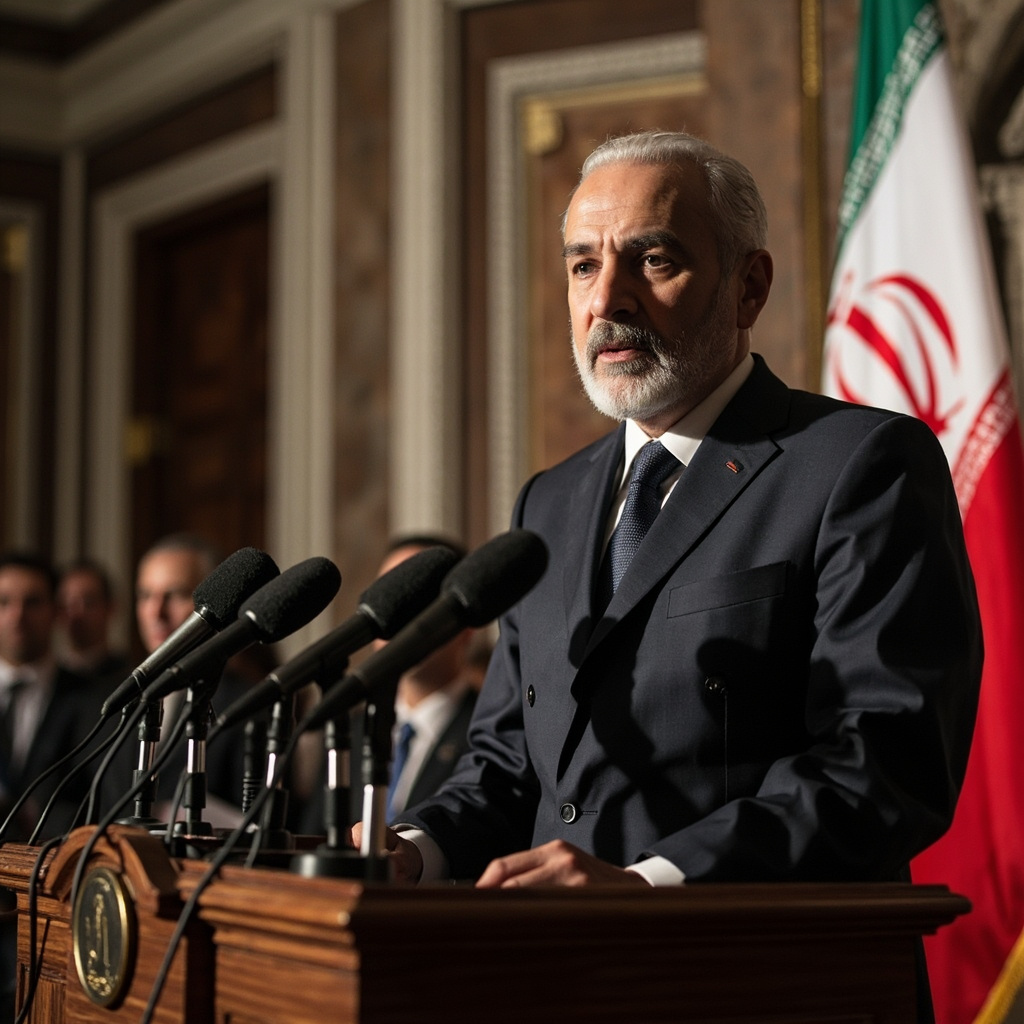
Chinese Foreign Minister Wang Yi urged Iran to pursue a diplomatic resolution to the conflict with the United States and reopen the Strait of Hormuz to commercial shipping, hosting Iranian counterpart Abbas Araghchi in Beijing on Wednesday in a meeting that carries far-reaching implications for global energy markets and the geopolitical balance of the Middle East.
The talks, held just days before U.S. President Donald Trump’s scheduled visit to Beijing on May 14-15, marked the first in-person meeting between the two diplomats since the outbreak of the U.S.-Israel war on Tehran on February 28. China’s public positioning — pressing Iran to end hostilities while simultaneously blasting the American military campaign as “illegitimate” — reflects Beijing’s effort to cast itself as the indispensable mediator in a conflict that has disrupted the world’s most critical oil shipping lane.
- China calls for immediate end to hostilities and prompt resumption of Hormuz shipping traffic
- Meeting timed strategically before Trump-Xi summit on May 14-15
- Iran’s statement omitted China’s call for Hormuz reopening — signaling possible disagreements
- Beijing has mediated at least three Wang-Araghchi phone calls since the war began
- 20% of world’s oil and LNG normally transits the Strait of Hormuz
A Calculated Diplomatic Stage
The optics of Wednesday’s meeting were carefully choreographed. Chinese state media proactively publicized the visit late Tuesday, citing a foreign ministry statement that noted Beijing initiated the invitation. For Iran, the visit provides a platform to demonstrate it still has powerful allies despite its international isolation. For China, it offers a chance to prove it can deliver results that Washington cannot — by leveraging its unique relationship with Tehran to stabilize the Persian Gulf.
“This meeting is deeply strategic,” said Amir Handjani, a board member at the Quincy Institute for Responsible Statecraft. “Tehran and Beijing are aligning their interests before Trump’s summit with Xi, and the timing is deliberate.”
China’s stake in the outcome is enormous. As the world’s largest buyer of Gulf oil and gas, Beijing has absorbed the inflationary shock of the Hormuz blockade, though domestic stockpiles and a diversified energy mix have provided some buffer. Chinese leadership wants tankers moving and trade flowing out of the Persian Gulf into Asian markets, Handjani noted. “They have no appetite for the inflationary shock and potential recession that a prolonged blockade would trigger across the region.”
The Hormuz Gap: Where Beijing and Tehran Diverge
Perhaps the most telling detail of Wednesday’s meeting was what was left unsaid. China’s readout explicitly called for a “prompt resumption of shipping traffic through the Strait of Hormuz.” Iran’s foreign ministry statement on Telegram made no mention of Hormuz reopening at all — a conspicuous omission that suggests Tehran is not yet ready to surrender its most powerful bargaining chip.
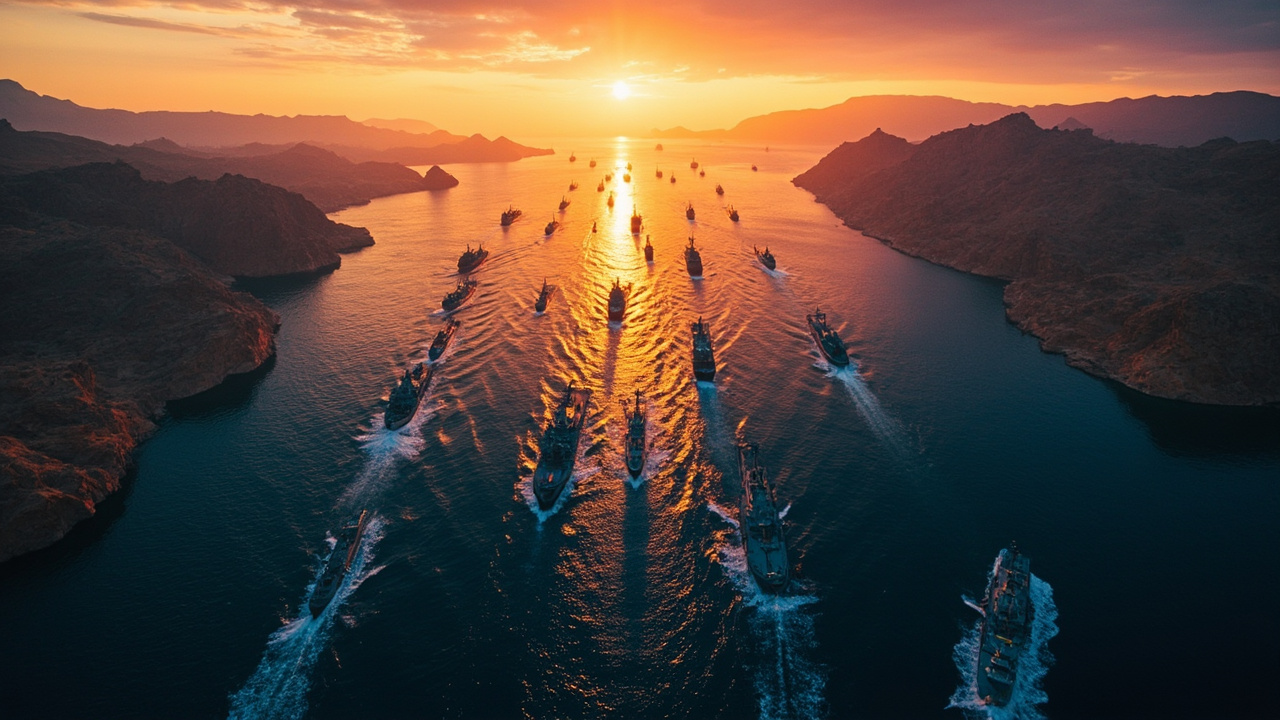
The Strait of Hormuz has been the focal point of the Iran war since the Revolutionary Guard moved to restrict commercial passage in March. Before the conflict, roughly 20% of the world’s oil and liquefied natural gas transited the narrow waterway daily. The slowdown in commercial traffic has sent shockwaves through global energy markets, with gasoline prices in the United States now 50% higher than before the war began.
Iran’s Revolutionary Guard announced on Tuesday that safe passage through the strait had been restored for non-military vessels, though the practical reality on the water remains uncertain, with insurance costs and risk premiums keeping many shippers away.
Trump’s Beijing Visit Looms Large
The Wang-Araghchi meeting sets the stage for what may be the most consequential diplomatic encounter of 2026: Trump’s visit to Beijing next week. The U.S. president’s advisors have reportedly urged Chinese leadership to pressure Iran into restoring commercial shipping through Hormuz, framing it as a test of whether Beijing can be a constructive partner rather than a spoiler.
Trump’s decision on Monday to pause “Project Freedom” — the U.S. naval escort mission in the Strait of Hormuz — signaled a shift from military to diplomatic pressure. The pause, announced just a day after the escort operation began, was widely interpreted as a concession designed to give negotiations room to succeed.
For Chinese President Xi Jinping, the summit presents both opportunity and risk. If Beijing can broker a Hormuz reopening, it will have demonstrated a diplomatic capability that elevates its global standing at Washington’s expense. But if the talks fail, China risks being seen as unable to control its own partner — a humiliation that would weaken its hand in broader negotiations with the United States on trade, technology, and security.
What Comes Next
Three scenarios emerge from Wednesday’s Beijing meeting. In the first, Iran agrees to a phased reopening of Hormuz in exchange for sanctions relief and security guarantees, brokered by China and endorsed at the Trump-Xi summit. In the second, Tehran stalls — making conciliatory noises while maintaining its leverage, forcing China to choose between its energy interests and its strategic partnership with Iran. In the third, the ceasefire collapses entirely, and the strait becomes a war zone once more.
The Pentagon said Monday that the U.S.-Iran ceasefire was “holding for now,” despite exchanges in the Strait of Hormuz. Defense Secretary Pete Hegseth urged Iran to “be prudent in the actions they take.” But as both Washington and Beijing well know, ceasefires in the Middle East have a way of unraveling when the underlying grievances remain unaddressed.
The world will be watching Beijing next week. What happens in the Chinese capital may determine whether the Strait of Hormuz reopens — or whether the global economy enters a prolonged period of energy-driven uncertainty that makes the inflation of 2026 look tame by comparison.
▸ Why did Iran omit China’s call for Hormuz reopening?
Iran likely views the Hormuz blockade as its primary leverage in any ceasefire negotiation. Acknowledging China’s call would signal weakness. Tehran prefers to keep the strait issue as a bargaining chip for direct talks with Washington.
▸ What does Trump’s Project Freedom pause mean?
The pause of the naval escort mission signals a shift from military to diplomatic pressure. It gives Iran a face-saving opening to negotiate without appearing to yield to force, while also reducing the risk of accidental escalation between U.S. and Iranian naval forces.
▸ How does this affect global oil prices?
U.S. gasoline prices are already 50% above pre-war levels. A negotiated Hormuz reopening could bring rapid relief, while a collapse in talks could push prices even higher. China, as the largest Gulf oil buyer, faces similar inflationary pressure on its domestic economy.

About Sarah Mitchell
Sarah Mitchell is the News Correspondent for Media Hook, covering breaking news, current events, and the stories shaping our world.