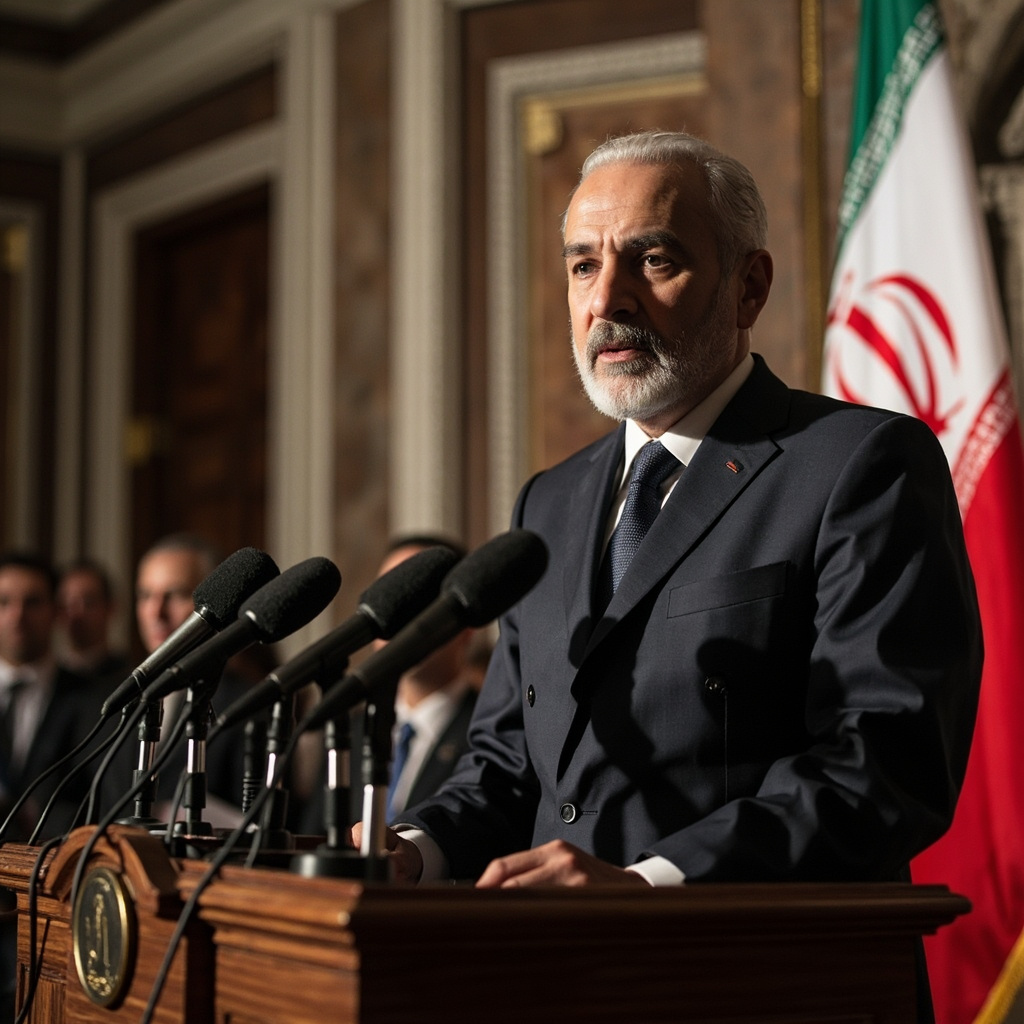
Saudi Arabia has launched an intensive diplomatic campaign demanding enforceable, internationally backed security guarantees for the Strait of Hormuz, marking a significant escalation in the kingdom’s response to months of maritime disruption that has threatened global oil flows and regional stability. The move signals a strategic shift for Riyadh — from relying on bilateral security arrangements and deterrence to pushing for multilateral frameworks that could formalize freedom of navigation through one of the world’s most critical energy chokepoints.
Saudi officials have publicly insisted on a return to what they describe as pre-crisis navigation conditions, coupled with binding guarantees ensuring unrestricted passage for commercial shipping. The position reflects mounting concern in Riyadh that continued disruption to shipping routes directly threatens national export revenues and could destabilize global energy markets already strained by the broader Iran-Israel confrontation.
Why Hormuz Matters Now
The Strait of Hormuz, the narrow waterway connecting the Persian Gulf to the Arabian Sea, handles roughly one-fifth of the world’s daily oil supply. For months, Iranian forces have been accused by Western and Gulf governments of disrupting shipping lanes through naval pressure, targeted interceptions, and broader military signaling. Iran frames its actions as asserting sovereignty over what it considers its regional security perimeter, particularly following strikes and counterstrikes involving Israeli and U.S. forces earlier this year.
Shipping flows through the Strait remain significantly below normal levels. Insurers and commercial operators continue to price in elevated risk, and even limited restoration of traffic has required naval escorts and ad hoc security coordination among Western and regional actors. The absence of a stable enforcement framework has left commercial operators navigating a patchwork of security arrangements that could collapse at any moment.
A Strategic Pivot for Saudi Arabia
Riyadh’s latest diplomatic posture represents a calculated strategic shift. Rather than relying solely on bilateral security pacts or military deterrence, Saudi Arabia is backing multilateral efforts involving external mediators and international institutions. This includes support for proposals that would establish formalized mechanisms to guarantee safe passage through the Strait, potentially under United Nations or coalition-backed frameworks.
The shift reflects a recognition that the crisis has outgrown any single nation’s capacity to manage it. Gulf Cooperation Council states have reinforced internal missile defense coordination and explicitly rejected any closure of the Strait, but these measures address symptoms rather than the underlying instability driving the disruption.
Regional Reverberations
The diplomatic push comes against a backdrop of escalating regional tensions. Israel’s security planning has increasingly factored in the possibility of rapid escalation with Iran, while the UAE’s ambassador to the United Nations has described the Hormuz situation as a “test of international resolve.” Saudi Arabia’s decision to push for formal guarantees rather than relying on ad hoc naval escorts reflects a growing consensus among Gulf states that the current approach is unsustainable.
The timing is also significant. China’s Foreign Minister Wang Yi hosted Iranian counterpart Abbas Araghchi in Beijing this week, pressing Tehran to reopen the Strait. The parallel diplomatic tracks — Riyadh seeking international guarantees while Beijing pressures Tehran directly — suggest that the Hormuz crisis is entering a new phase where political solutions are being actively pursued alongside military deterrence.
What Comes Next
The critical question is whether Saudi Arabia can translate diplomatic momentum into binding commitments. Previous international frameworks for maritime security in the Gulf have foundered on disagreements over enforcement mechanisms and the scope of naval patrols. The kingdom’s demand for UN-backed guarantees faces the familiar obstacle of great-power politics in the Security Council, where any resolution would need to navigate the competing interests of the United States, China, and Russia.
What is clear is that the Strait of Hormuz has become the central pressure point in the wider Iran-Israel confrontation, where maritime control, energy flows, and military signaling are increasingly interconnected. Saudi Arabia’s diplomatic offensive may not resolve the crisis, but it signals that the status quo — ad hoc escorts, elevated insurance premiums, and reduced shipping volumes — is no longer acceptable to the Gulf’s most powerful actor. The next phase of this crisis will depend on whether international institutions can deliver the guarantees that bilateral arrangements have failed to provide.
Key Takeaways
- Saudi Arabia demands internationally backed security guarantees for the Strait of Hormuz
- Shipping flows remain significantly below normal levels amid Iranian maritime disruption
- Riyadh shifts from bilateral security to multilateral frameworks, potentially UN-backed
- China simultaneously pressures Iran to reopen the Strait in parallel diplomatic track
- Gulf states reject Strait closure, reinforcing missile defense coordination
▸ Key Questions About the Hormuz Crisis
Why is the Strait of Hormuz so important?
The Strait handles approximately 20% of the world’s daily oil supply. Any sustained disruption threatens global energy markets and the economies of oil-exporting Gulf states.
What is Saudi Arabia specifically demanding?
Binding, internationally enforceable guarantees ensuring freedom of navigation through the Strait, potentially under a UN or coalition-backed framework.
How does this relate to the broader Iran-Israel conflict?
The Hormuz crisis is interconnected with the Iran-Israel confrontation. Iran’s maritime actions are framed as part of its regional security posture, while Israel and Gulf states view Strait security as essential to containing Iranian influence.