When Estonian Defence Minister Hanno Pevkur stood before cameras in Vilnius last week and declared that NATO would not break, the words carried more weight than diplomatic boilerplate. They were a quiet act of defiance against a tide of uncertainty that has been sweeping through European capitals since the Trump administration began publicly questioning the alliance’s fundamental commitments.
The scene in the Lithuanian capital was emblematic of a transatlantic relationship under unprecedented strain. Pevkur, speaking alongside senior military officials from the Baltic states, reaffirmed Estonia’s faith in NATO’s collective defence clause — Article 5 — even as he acknowledged that allies were watching Washington’s evolving posture with mounting concern. “We have no reason to doubt the United States,” he said, though the hesitation in his voice told a more complicated story.
A Credibility Test for the Alliance
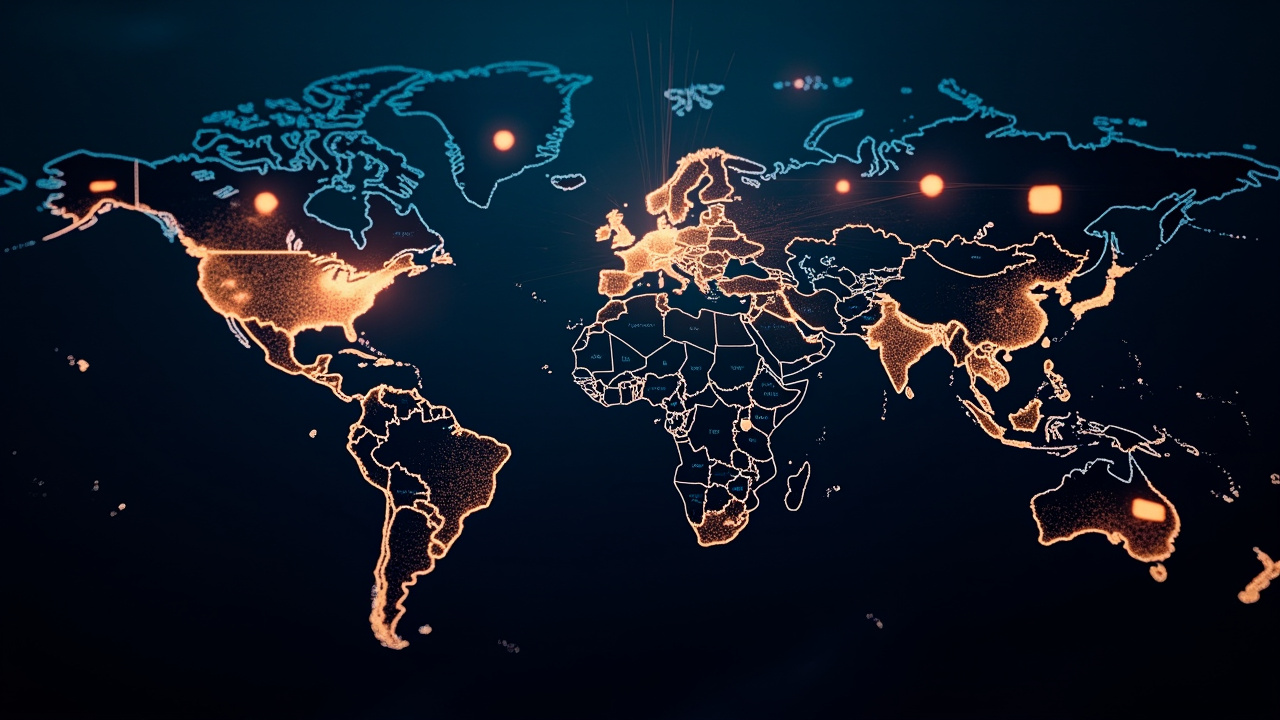
The timing of Pevkur’s remarks was deliberate. Intelligence assessments circulated among NATO member states in recent weeks suggest that Russia is actively preparing for conflicts that extend well beyond the grinding war in Ukraine. Moscow has been expanding its military footprint in the Kaliningrad exclave, increasing naval activity in the Baltic Sea, and conducting hybrid operations designed to test European resolve without triggering a direct confrontation.
For frontline states like Estonia, Latvia, and Lithuania, the stakes are existential. These Baltic democracies share a border with Russia and have spent years building defences specifically designed to counter a potential aggression that NATO’s collective response would theoretically deter. But deterrence only works when adversaries believe the response will actually come. That belief is now being tested.
The credibility of NATO’s collective defence clause underpins security across Europe. Any doubt about U.S. commitment risks weakening deterrence against Russia and could embolden further aggression.
Trump’s Pressure Campaign
The friction within NATO is not purely theoretical. The Trump administration has made no secret of its frustration with European members who have historically underinvested in their own defence. Since taking office, the President has demanded that European allies dedicate significantly more of their national budgets to military spending, framing the current arrangement as unfair to American taxpayers.
European governments have responded with a mixture of concessions and alarm. Germany, long criticized for its relatively low defence spending, has accelerated plans to increase its military budget. Poland has positioned itself as NATO’s most reliable eastern flank, investing heavily in American-made equipment and hosting permanent U.S. military deployments. France and the United Kingdom have quietly explored deeper bilateral defence cooperation, recognizing that the alliance’s cohesion can no longer be taken for granted.
Yet the structural imbalances remain stark. Europe possesses no credible independent nuclear deterrent and lacks the logistical and command infrastructure necessary to conduct major military operations without substantial American support. This dependence gives any U.S. administration significant leverage — leverage that the current White House has been willing to use.
Europe’s Strategic Awakening
The discussions happening behind closed doors in Brussels and Berlin are unlike anything seen since the Cold War. Senior EU officials have begun openly acknowledging what was once considered politically taboo: Europe must develop the capacity to defend itself independently of the United States. The language has shifted from vague aspirational language about “strategic autonomy” to concrete planning for a scenario in which American backing cannot be relied upon.
That shift carries profound implications for global security architecture. NATO has been the cornerstone of European defence for over seventy years, and its replacement — if one were ever needed — would require decades to construct. The EU’s nascent defence initiatives, while promising, remain fragmented and underfunded. A genuine European strategic identity would require not just money, but a political willingness to use force that member states have historically been reluctant to embrace.
Pevkur’s firm stance in Vilnius reflects the mood in the Baltic states, where memories of Soviet occupation are still fresh and where the current uncertainty feels less like a diplomatic disagreement and more like a direct threat to national survival. “We are not asking for charity,” one Estonian official told this correspondent, speaking on condition of anonymity. “We are asking for the alliance to function as designed.”
What Comes Next
The next several months will determine whether NATO can weather this storm or whether the fractures running through the alliance will prove irreparable. The trajectory of the war in Ukraine remains the single most important variable: a negotiated settlement might ease transatlantic tensions, while continued fighting would almost certainly amplify them.
European defence spending is rising, but unevenly. Wealthy states like Germany and France can accelerate more quickly than smaller economies, creating asymmetries that could complicate joint operations. Meanwhile, Russia’s assertiveness shows no signs of diminishing, and Chinese expansion in the Indo-Pacific means American attention is increasingly divided between theaters.
For now, NATO endures. It has survived crises before — Suez, Vietnam, Iraq, Afghanistan — and emerged battered but intact. But the current test is different in character. It pits ally against ally in a philosophical debate about burden, legitimacy, and the future of the liberal international order that American and European states built together over seven decades.
Pevkur’s confidence may yet be vindicated. But in Vilnius, as night fell over the conference halls where alliance officials gathered to discuss a future none of them can fully predict, the mood was less reassurance than controlled anxiety. NATO will not break — that much seems clear. But whether it will remain the same alliance that deterred Soviet aggression and stabilized post-Cold War Europe is a question that no one in Brussels or Washington can yet answer.
Elena Rodriguez is an International Affairs Correspondent for Media Hook, covering global diplomacy, conflict, and the emerging world order.