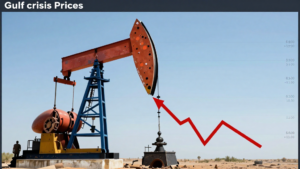
Oil Prices Surge as OPEC Maintains Production Cuts Through Year-End

Oil prices climbed sharply on Wednesday after OPEC and its allies confirmed they would maintain existing production cuts through the end of the year, defying expectations from analysts who had anticipated a partial rollback of restrictions designed to support global crude valuations. Brent crude rose more than three percent in early trading, crossing the eighty-five dollar per barrel threshold for the first time in several weeks, as energy traders absorbed the implications of continued supply restraint on an already tightening market. The decision, announced following a virtual ministerial meeting of the OPEC+ coalition, signaled that the group remains committed to defending oil prices even as some member nations expressed frustration over lost market share to rival producers in the United States and elsewhere.
Supply Deficit Deepens as Demand Outpaces Expectations
The OPEC+ announcement arrives at a moment when global oil demand has proven more resilient than many forecasters predicted at the start of the year. The market is underestimating how tight conditions could get before year-end, “a senior energy analyst at a major commodities brokerage in London” said. OPEC+ has demonstrated a willingness to absorb short-term pain in exchange for longer-term price stability, and the decision reinforces that posture. “We remain fully committed to our production adjustment decisions,” OPEC Secretary-General Haitham Al Ghais said at a press conference following the meeting, adding that the coalition would respond to market developments as they unfold with flexibility and in a timely manner. The front-month Brent contract settled at its highest level since early spring, while West Texas Intermediate posted comparable gains and moved further above the seventy-five dollar mark.
Consumer Economies Face Pressure as Energy Costs Rise
Higher oil prices translate quickly into elevated costs for transportation, manufacturing, and agricultural sectors, creating a secondary inflation pressure that could complicate monetary policy decisions in major economies. Fuel costs represent a substantial share of operating expenses across commercial aviation, shipping, and road freight industries. “Current market conditions do not yet meet the criteria for a collective response,” an IEA spokesperson told reporters, while emphasizing that the agency remains in close contact with member governments about contingency planning. The International Energy Agency issued a cautious statement noting that the situation warrants close monitoring but stopped short of recommending coordinated release of strategic petroleum reserves. Consumer advocacy groups in Europe and Asia have already begun calling on governments to deploy emergency reserves or provide targeted subsidies to shield vulnerable populations from fuel price spikes.
Geopolitical Fault Lines Shape the Supply Outlook
The OPEC+ decision also reflects deeper geopolitical calculations that extend well beyond the technical mechanics of supply and demand in physical oil markets. Russia continued participation in the production agreement, despite the severe sanctions environment that has complicated its ability to export crude at market rates, underscores the degree to which the coalition serves as a diplomatic as well as economic framework. The alliance between Saudi Arabia and Russia, forged during the initial pandemic-era supply negotiations, has proven more durable than many Western policymakers initially expected. Sustained price elevation could slow global economic growth and complicate efforts to maintain energy affordability for developing nations, “a senior Treasury official told reporters on background.” Some analysts note that Saudi Arabia has a strong financial incentive to sustain elevated prices, as the kingdom Vision 2030 economic transformation program depends heavily on oil revenues to fund infrastructure and technology investments.
Market Volatility Expected as Traders Digest OPEC+ Signal
Energy traders are preparing for an extended period of elevated volatility as financial markets digest the implications of sustained OPEC+ supply discipline. Options markets are pricing in a significantly wider distribution of potential oil price outcomes over the next six months, reflecting genuine uncertainty about how supply, demand, and geopolitical factors will interact to shape the market trajectory. Goldman Sachs revised their three-month Brent forecast to ninety-two dollars per barrel following the announcement, citing the extended supply constraint as a material upside risk to their prior estimate of eighty dollars. The convergence of supply-side restraint from the worlds most influential oil producers with resilient demand growth across major consuming regions has created conditions that most market participants had not anticipated entering the year. The next OPEC+ ministerial meeting is scheduled for early fall, at which point the coalition will reassess whether current production levels remain appropriate given evolving market conditions.