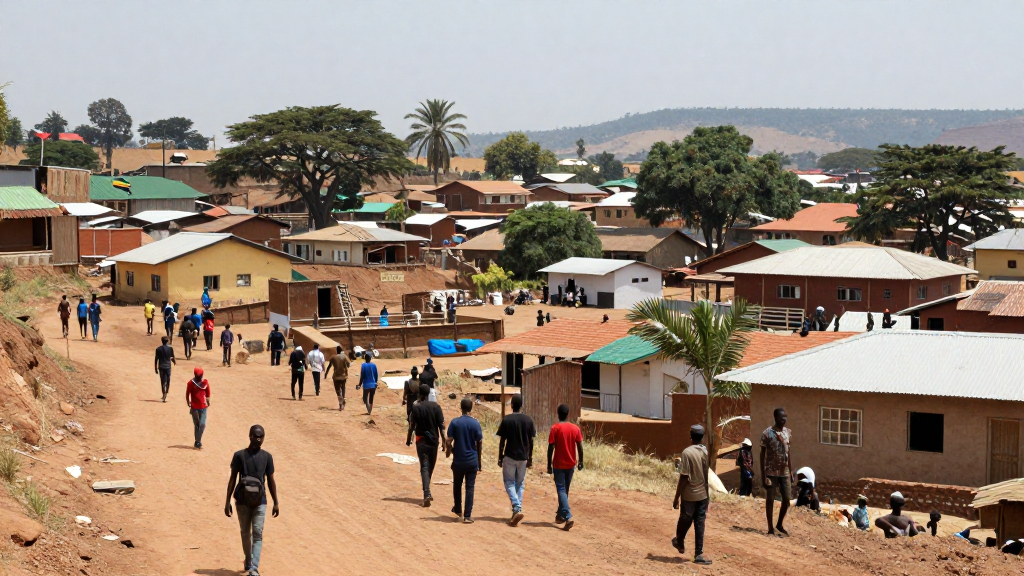
JOHANNESBURG — Thousands of foreign nationals, predominantly from Malawi, Zimbabwe, and Mozambique, are streaming across South Africa borders as a June 30 deadline issued by the anti-foreigner vigilante movement Amagentsakho looms. The campaign, which has swept through townships in Gauteng and KwaZulu-Natal since mid-June, has left at least 23 people dead, hundreds injured, and an estimated 40,000 migrants displaced from their homes and businesses.
The violence has drawn sharp condemnation from the African Union, the United Nations refugee agency, and governments across the continent. Malawian President Lazarus Chakwera called the scenes a stain on the conscience of our continent and dispatched government buses and military escorts to bring citizens home. South Africa President declared a state of disaster in affected provinces.
The Deadline That Set Off the Exodus
Amagentsakho issued its two-week ultimatum on June 14, distributing pamphlets in Johannesburg townships threatening violence against anyone lacking valid South African identity documents. Within 48 hours, armed groups carried out coordinated attacks on informal settlements near Durban and Pretoria, torching makeshift shops, homes, and spaza stores owned by foreign nationals.
I resisted xenophobic pressure in the past. But now, we have to leave. My children are afraid, said Chikondi Phiri, a Malawian father of three who had run a small general dealer in Katlehong township for seven years. Phiri spoke from a transit shelter in Lilongwe, where he arrived last week after a grueling three-day journey by bus and on foot.
The United Nations High Commissioner for Refugees said it had verified reports of at least 14 deaths directly linked to the vigilante campaign and warned that the numbers could rise if the June 30 deadline is not lifted. The International Organization for Migration estimates that 40,000 to 60,000 migrants could attempt to cross South Africa borders in the coming weeks.
Government Under Fire From All Sides
South Africa government finds itself in an increasingly untenable position. Human rights groups and the political opposition have accused President Cyril Ramaphosa of reacting too slowly to the vigilante movement, while a court challenge filed by civil society organizations argues the government has a constitutional duty to protect all residents regardless of nationality.
The state failure to act decisively against these vigilante groups is a dereliction of its constitutional obligations, said lawyer and human rights activist Thembi Nkosi. Every day that Amagentsakho is allowed to operate with impunity, more lives are destroyed.
On the diplomatic front, South Africa is facing pressure from Malawi, which recalled its ambassador for consultations, and from Zimbabwe, whose President Emmerson Mnangagwa warned that the violence could damage bilateral relations.
Regional Implications and the Road Ahead
The crisis exposes deep structural tensions across Southern Africa, where millions of migrants have historically moved across borders to seek work in South Africa larger economy. Migrants from Malawi, Zimbabwe, and Mozambique fill critical labor gaps in agriculture, construction, and informal trade.
Malawi, one of the poorest countries in the world, is struggling to absorb the returning nationals. The Chakwera government has opened emergency shelters in Lilongwe and Mzuzu but acknowledged that its resources are insufficient for a prolonged crisis. The World Food Programme has appealed for emergency funding to support both returning migrants and host communities in northern Malawi.
For Phiri and the thousands like him, the future is deeply uncertain. His shop in Katlehong, rebuilt twice after previous xenophobic attacks in 2019, is almost certainly gone. I have nothing to go back to. I do not know what I will do. With the June 30 deadline now hours away and South Africa government stretched thin, the worst humanitarian crisis in the region since the 2023 Mozambican displacement crisis may be only beginning.