A Meeting That Could Redefine Global Trade
The May 14-15 summit between US President Donald Trump and Chinese President Xi Jinping in Geneva represents the most consequential diplomatic engagement between the world’s two largest economies since the 2020 breakdown of the Phase One trade deal. With tariffs threatening to reshape the global trading system, both leaders are under mounting pressure from their own business communities to find some common ground.
The Tariff Pressure Cooker
Trump’s sweeping tariff regime — some measures reaching 145% on Chinese goods — has inflicted damage on both sides. American importers face eye-watering costs on electronics, machinery, and consumer goods. Chinese manufacturers report a sharp slowdown in orders as American buyers pivot to alternative suppliers in Vietnam, India, and Mexico.
What Each Side Needs
Trump has repeatedly floated the idea of a grand bargain: lower Chinese industrial subsidies in exchange for reduced American tariffs, a reopening of China’s financial and agricultural markets to US firms, and a framework for managing emerging technologies like artificial intelligence and semiconductor manufacturing.
Xi, however, has shown no appetite for what his negotiators call asymmetric concessions. Beijing has made clear it will not accept conditions that constrain its industrial policy — the very engine of its economic model.
The Geneva Backdrop
Geneva is no stranger to great-power diplomacy. The 1955 Summit of Geneva set the tone for a generation of Cold War engagement. More recently, the city hosted the 2021 and 2022 Ukraine peace talks. Switzerland’s formal neutrality and existing infrastructure make it a practical choice.
Markets on Edge
Global markets have priced in a partial deal — enough to prevent tariff escalation, insufficient to suggest a full structural realignment. The S&P 500 has gained 2.3% in the two weeks since the summit was announced, with tech and industrials leading gains. Chinese equities on the Hang Seng have climbed 4.1% on Beijing’s signals that talks are constructive.
Global Ripple Effects
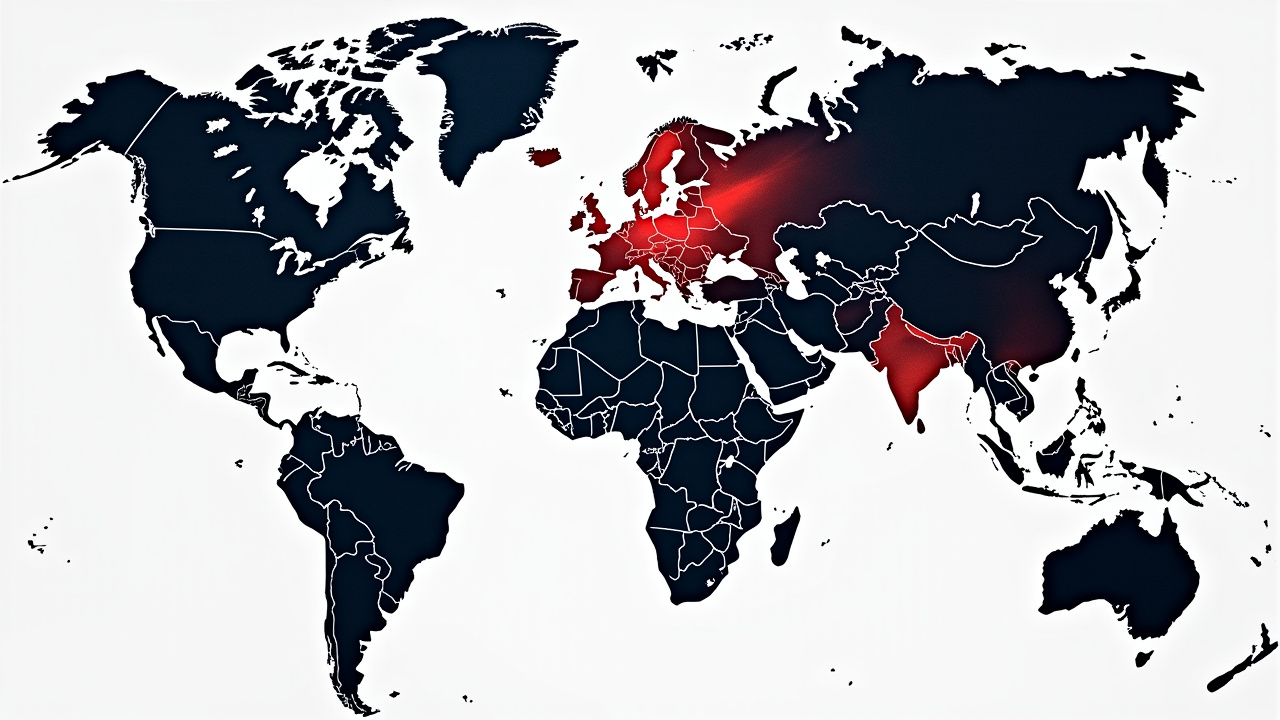
The outcome of Geneva will resonate far beyond bilateral trade. Japan, South Korea, and the European Union have all structured their own trade strategies around the assumption of continued US-China tension. A rapid de-escalation would force a wholesale rethink. A breakdown could accelerate the formation of alternative trade blocs.
For now, Geneva holds the world’s attention. The summit begins May 14. The outcomes — whatever they are — will shape the global economic landscape for years to come.